Legal status of phone calls to family members
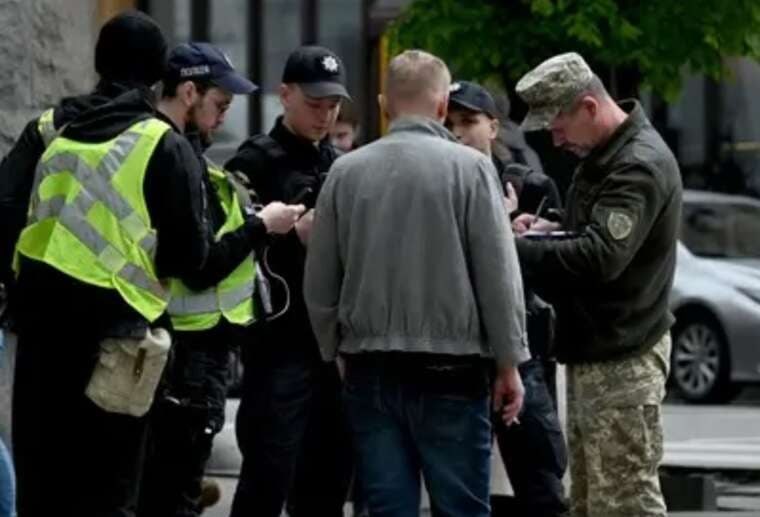
Employees of Territorial Recruitment and Social Support Centres (TCCs) have the right to contact the close relatives of military-liable citizens. However, current legislation does not impose an obligation on wives, parents, or other relatives to inform officials of a person's location, contact details, or place of work. Refusing to provide such information during a conversation is not, in itself, grounds for imposing fines.
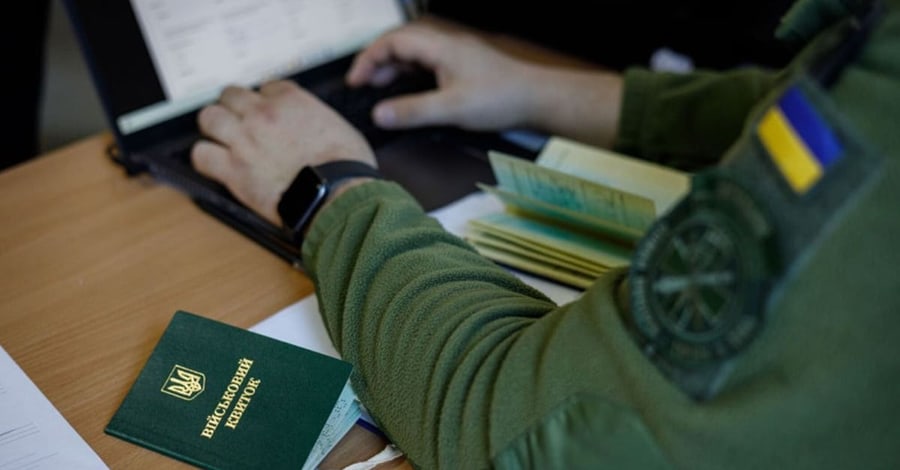
During the period of mobilisation, TCCs conduct military registration, organise relevant measures, and notify military-liable persons of the need to appear in response to a summons. These powers are established by Cabinet of Ministers Resolution No. 154, while the procedure for notification is regulated by Resolution No. 560. The legislator has not established a separate procedure requiring that a military-liable person be notified specifically through their relatives.
What constitutes proper service of a summons
A phone conversation with family members does not constitute legally significant service of a summons. According to point 41 of Procedure No. 560, the fact of notification is confirmed by the personal receipt of the summons, video recording of the service or refusal thereof, and, in the case of sending by post, the relevant documents from the postal operator.
Therefore, a call to relatives alone cannot serve as grounds for holding a military-liable person liable for failing to appear at a TCC. At the same time, if a summons has been served in the established manner, the citizen is obliged to comply with the requirements of the law, regardless of whether prior contact with their relatives took place.
Personal data protection and limits of authority
The activities of TCC representatives must comply with the requirements of legislation on personal data protection. Article 32 of the Constitution of Ukraine guarantees the protection of private and family life, while the Law "On Personal Data Protection" defines the conditions for collecting and using information about citizens.
Although TCCs may process personal data without the individual's consent where there are legal grounds and within the scope of their powers, this does not give them the right to demand confidential information from relatives without cause or to disclose data about third parties to them.
Liability and action algorithm for citizens
Articles 210 and 210-1 of the Code of Ukraine on Administrative Offences provide for liability for violations of military registration rules and mobilisation legislation. However, the law does not establish a general obligation for family members to inform TCCs of the whereabouts of a military-liable person or to ensure their appearance. Therefore, refusing to answer such questions is not an administrative offence.
The Ministry of Defence has reminded that liability may arise for unlawful obstruction of the lawful activities of TCCs where there are grounds provided for by law. Thus, a refusal to provide information should not be equated with actively obstructing the performance of official duties.
When receiving such a call, citizens may ask the caller to state their surname, first name, position, and the name of the territorial centre. It is also advisable to clarify the purpose of the call and the legal grounds for the request for information. In case of doubts about the authenticity of the call, one can independently verify the information by calling the relevant TCC using the official contacts of the Ministry of Defence.
If threats are made during the conversation, unlawful demands are received, or other rights are violated, citizens may file a complaint with a higher authority or the court.





Comments
No comments yet. Be the first!