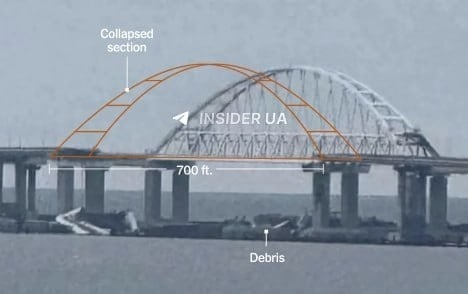
Crimean Bridge repair may take two years
Restoration will last two years if construction work is not interrupted by Ukrainian attacks and the bridge piers have not sustained significant damage.
Restoration will last two years if construction work is not interrupted by Ukrainian attacks and the bridge piers have not sustained significant damage.
The governments of the two countries announced a joint investment of over £100 million in the creation of modern combat vessels to strengthen Black Sea defence.
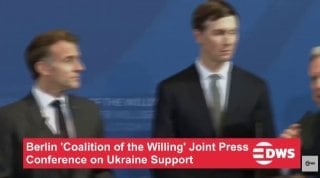
Donald Trump is considering stopping arms sales to Kyiv, Jared Kushner said at a briefing.
Russian liquefied gas supplies to Japan exceeded 455,000 tonnes, the highest volume since April 2026.
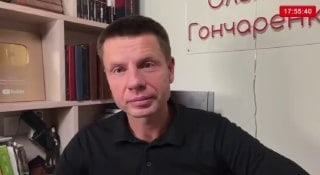
The head of the TSC explained that if a summons is ignored, members of the parliamentary body may vote to involve the National Police to bring the officials in.
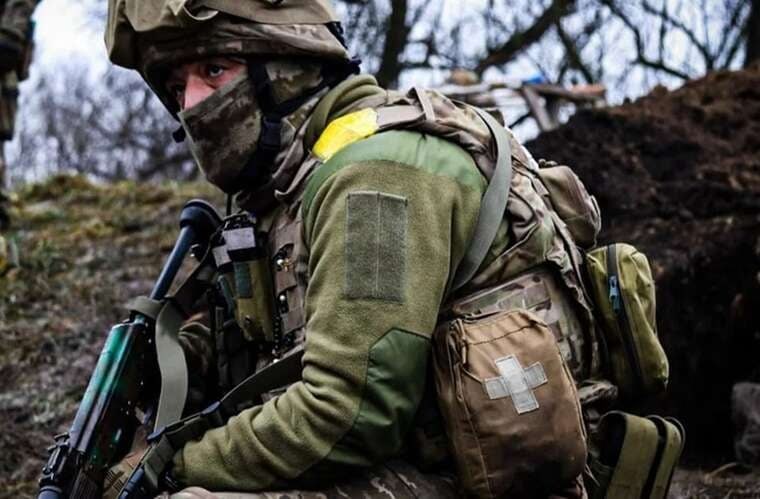
The General Staff of the Ukrainian Armed Forces reported 248 combat clashes since the start of the day on 19 November. The highest enemy activity was recorded on the Pokrovsk direction.
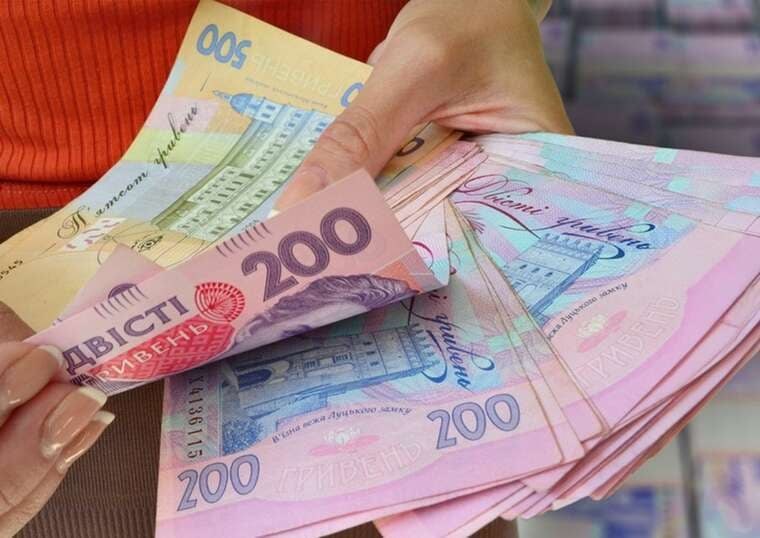
Lyuboml district court found the former head of LLC "Jaguar Autogroup" guilty of customs rule violations due to the use of falsified EUR.1 documents, which caused losses to the budget.
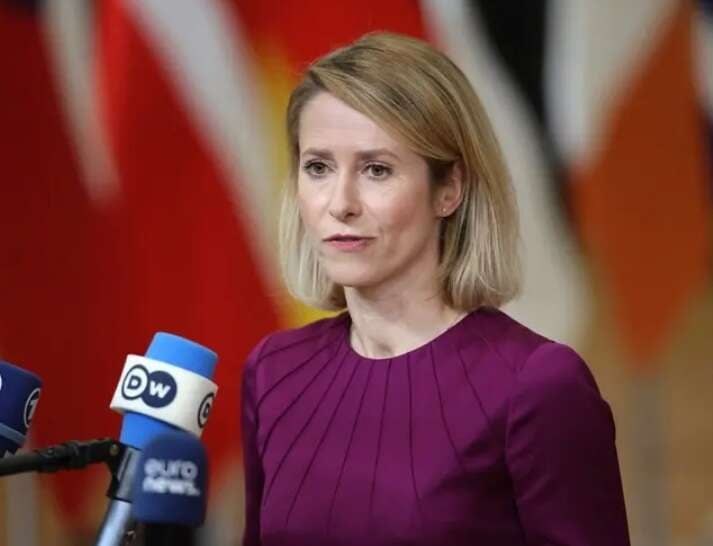
EU High Representative for Foreign Affairs Kaja Kallas announced the intention to summon the Russian ambassador over damage to diplomatic facilities resulting from strikes on 19 November.
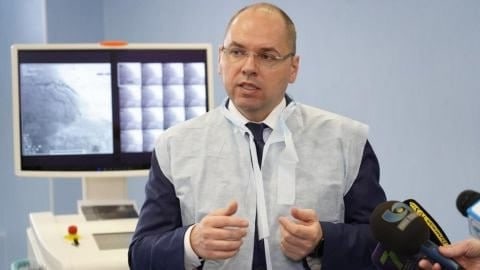
The High Anti-Corruption Court (HAC) ruled to close the criminal proceedings against former Minister of Health, former head of the Odesa Regional State Administration, and former director of the state enterprise "Poligrafkombinat", Maksym Stepanov. The judge applied provisions known as the "Lozovoy amendments", which provide for the termination of cases in the event of the expiration of the pre-trial investigation period after the notification of suspicion. Currently, only the operative part of the ruling has been published, so the judge's reasoning remains unknown.
The Specialized Anti-Corruption Prosecutor's Office (SAP) plans to appeal this ruling. For the former minister, this decision may be a relief, as it formally releases him from liability for the charges.
According to the investigation, the defendants not only siphoned over €20 million from the state enterprise by artificially inflating the prices of holograms by 4–6 times, but also obtained undue benefit in the form of copyright on design elements of Ukrainian documents. Specifically, this refers to a stylised trident and a map of Ukraine. Subsequently, according to law enforcement data, the suspects laundered the proceeds obtained.
In 2013, Maksym Stepanov, who at that time headed "Poligrafkombinat", purchased an Estonian company through nominees. He imposed a mandatory requirement on foreign partners: the supply of products had to be carried out through this "necessary" structure. It was through this entity that the procurement of materials for the production of document blanks was organised.
The intermediary company purchased materials directly from manufacturers and then resold them at a price inflated by 4–6 times. During 2013–2016, thanks to this scheme, a group of criminals appropriated funds amounting to approximately half a billion hryvnias.
The former director of "Poligrafkombinat" disguised the transfer of funds as a sale of 45% of his shares in the enterprise, which was not actually operating, to another controlled company for $1.35 million. He then declared these funds, which gave him the ability to use them. Part of the funds — $150,000 — was transferred to the accounts of close persons.
In addition, he registered intellectual property rights on the controlled company for implanted security elements used in Ukrainian passports.
Part of the siphoned money has already managed to return to Ukraine. Thanks to the International Joint Investigation Group (with the participation of Ukraine, France, and Estonia), as well as the support of international structures and the French PNF prosecution, it was possible to recover €4.5 million. Of this amount, €1.15 million had previously been frozen in the accounts of the accused, and almost €3.4 million was transferred by the company Surys in accordance with a plea bargain with the French side.
Evidence obtained from Estonia several years ago allowed establishing all details of the scheme and money laundering. Estonian law enforcement officers held four persons liable for money laundering. Among them are two — the head and manager of the controlled company, as well as two other accomplices to the crime.
In the summer of 2023, Stepanov, who was abroad, was notified of suspicion in absentia. In September of the same year, the HAC ruled on his arrest in absentia, and in August 2026, the indictment was submitted to the court.
Comments
No comments yet. Be the first!