
Trump reiterates that Putin wants to end the war, but both sides are needed
US President Donald Trump rejected the notion that his policy is soft on the Kremlin and stated that the Russian leader could join the G20 summit in Miami if he wished.
US President Donald Trump rejected the notion that his policy is soft on the Kremlin and stated that the Russian leader could join the G20 summit in Miami if he wished.
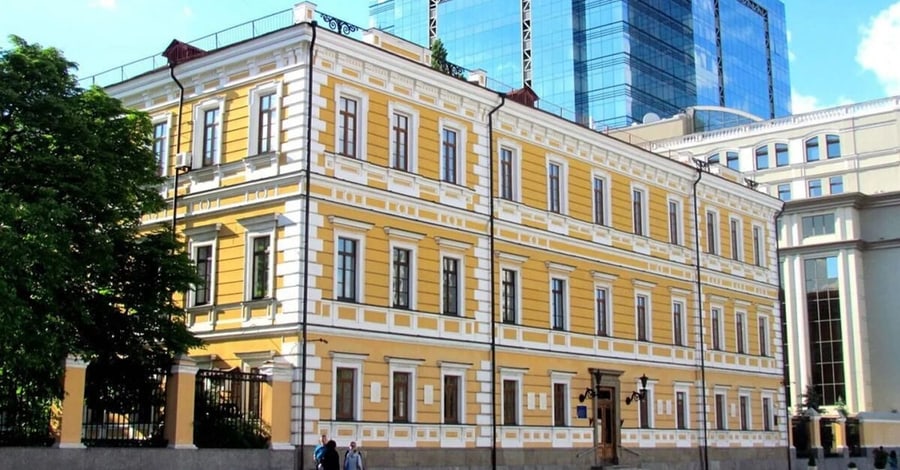
The National Academy of Sciences of Ukraine marks its 108th anniversary. The institution's history dates back to 1918, when it was headed by Volodymyr Vernadsky.
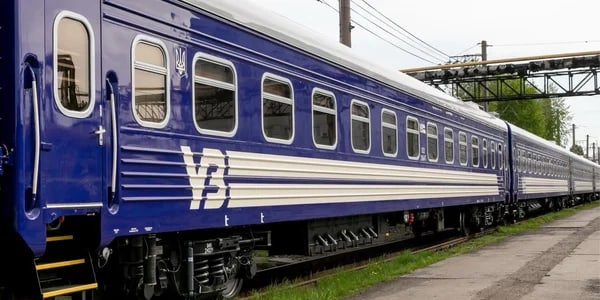
The company plans to raise freight transport prices again due to the threat of significant losses in 2027. Experts warn of risks for the metallurgy, mining, and agricultural sectors.

The first level of danger has been declared in Lviv, Ivano-Frankivsk, Ternopil and Chernivtsi regions due to heavy precipitation, which may increase the snow cover by 8–20 centimetres.
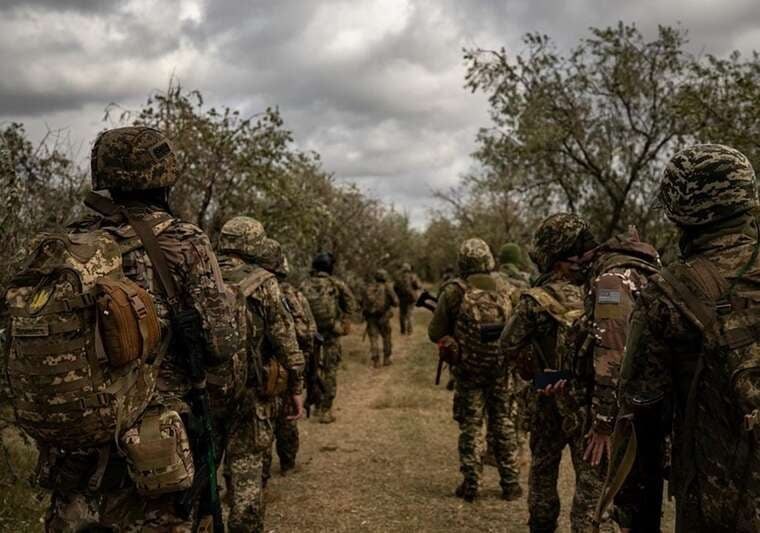
Ukrainian defenders recorded new enemy losses on 26 November, bringing the total number of eliminated occupiers to 1.6 million.

Lawyer Andriy Karpenko explained why automatic deferment renewal may stop and what steps need to be taken to correct data, particularly while abroad.

Prime Minister Serhiy Koretskyi announced that from 1 January 2027, the remuneration of educators and school technical staff is scheduled to increase by 10%.

Fashion influencer invited guests to join a fundraising effort for those affected by Russian strikes instead of giving gifts.
From 1 January 2027, Ukrzaliznytsia intends to increase the cost of freight transport by 15%. This will be the second significant price hike within six months. As early as August 2026, tariffs had already risen by 30%, but the company failed to achieve the planned financial indicators from this measure. Business community representatives express concern that a new wave of price increases will intensify pressure on industry and the agricultural sector, while a potential reduction in transport volumes could worsen the railway's own financial condition.
RBC-Ukraine reports on these intentions, citing a Forbes Ukraine article. Ukrzaliznytsia explains the need for another indexation by the enterprise's difficult financial situation. According to the company's forecasts, without a tariff increase in 2027, the net loss will reach 32 billion UAH, and the cash gap will exceed 44 billion UAH.
The previous increase in August did not bring the expected revenue. Instead of the planned 3.4 billion UAH, Ukrzaliznytsia received only 2.3 billion UAH. One of the reasons was a 37.4% reduction in freight turnover in August-September. Specifically, exports through port stations in Odesa Oblast fell by 96% in August, while total freight turnover for that month decreased by 22% compared to June.
Business fears that the new increase in transport costs will further reduce the volumes of cargo that enterprises can afford to ship by rail. According to estimates by the Centre for Transport Strategies, Ukrzaliznytsia's freight transport volumes could shrink to 127 million tonnes in 2026, compared to 161 million tonnes in 2025. For 2027, only a partial recovery of indicators is forecast, to 149 million tonnes.
The new tariffs may most significantly affect enterprises where railway logistics constitute a substantial share of the product's cost price.
In the mining industry, transport costs reach 40–60% of the cost price. Industry representatives warn that further increases in transportation costs could lead not only to rising expenses but also to the suspension of operations at specific quarries.
A difficult situation has also developed in the agricultural sector. Farmers are already operating under conditions of significant logistics cost increases, so an additional tariff hike could worsen their financial stability.
The mining and metallurgical complex remains particularly sensitive to changes. Traditionally, this sector accounts for approximately 35–40% of Ukrzaliznytsia's freight turnover and revenue in the freight segment.
Enterprise representatives consider the further increase in railway logistics costs dangerous given the limited export capabilities through seaports. Rising transport costs may make Ukrainian products less competitive in external markets. This, in turn, could lead to a reduction in production, exports, and transport volumes.
Thus, there is a risk of a reverse effect: while attempting to compensate for the financial deficit through tariff increases, Ukrzaliznytsia may face a reduction in its own freight base and revenues. Business emphasises that tariff policy must consider not only the railway's needs but also the financial capabilities of the enterprises that generate the main demand for freight transport.
Comments
No comments yet. Be the first!