
Finance Ministry: Construction costs in Ukraine to rise by 15–20% in 2027
The ministry points to shelling of enterprises and power supply issues as the main causes of future housing price increases.
The ministry points to shelling of enterprises and power supply issues as the main causes of future housing price increases.
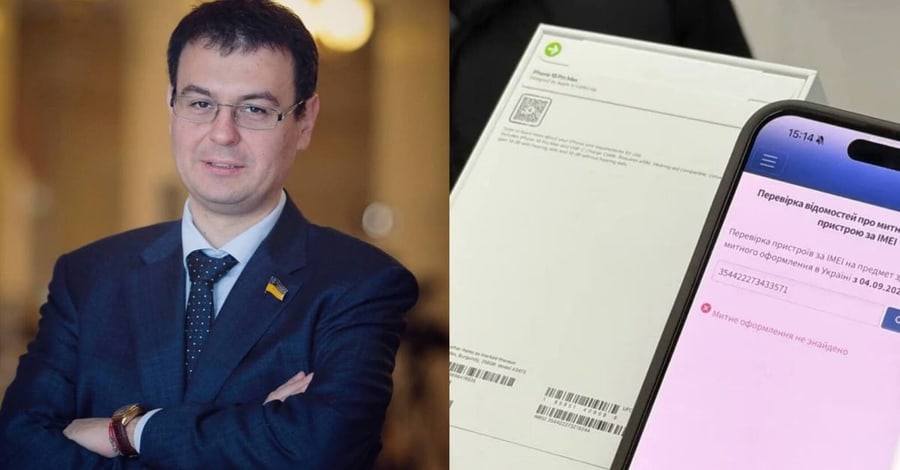
Danilo Hetmanets, head of the Verkhovna Rada's finance committee, reacted to a journalistic investigation that found Apple smartphones without customs documents in a capital city store.
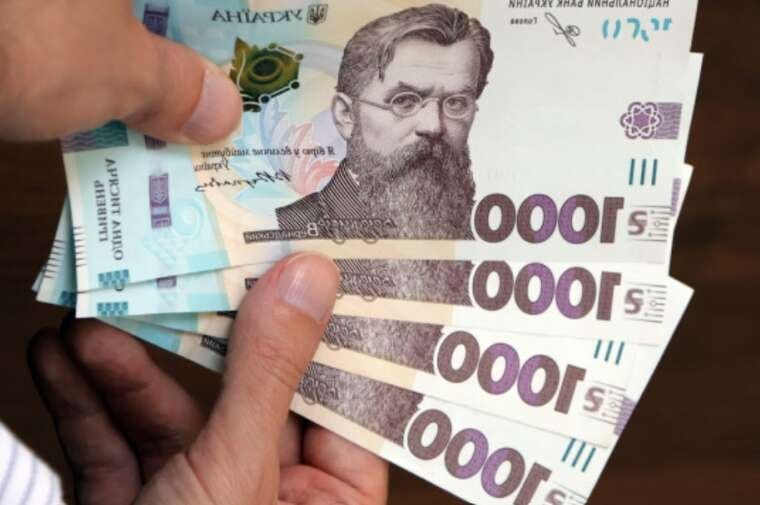
The Ministry of Culture initiates an internal audit at the institution after discovering payments to 42 individuals against a staff quota of 37 and the use of premises without lease agreements.
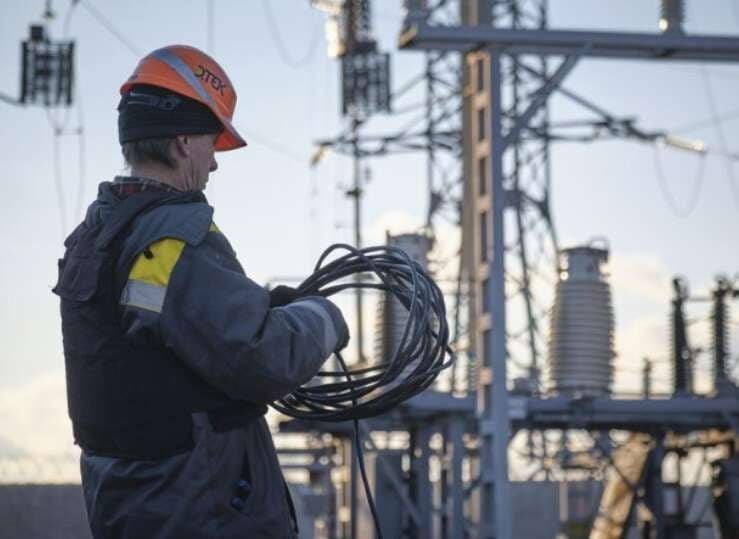
On the morning of 23 November, power was partially restored for critical infrastructure in Odesa region, while hourly blackout schedules remain in effect in Dnipropetrovsk region.
Journalist Serhiy Liamec warns of the risk of significant financial losses for the state due to potential court rulings in disputes with foreign investors and companies.
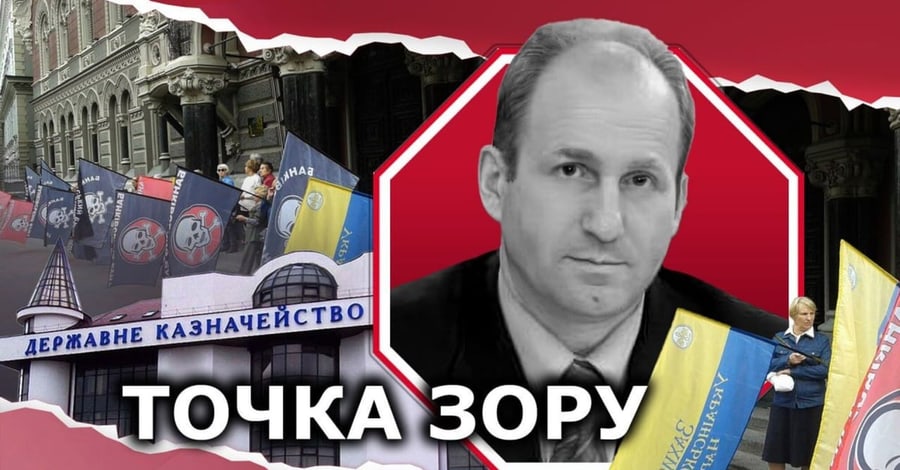
Research showed that the current procedure for the recovery of funds is based on the 2013 version. It is currently unknown whether this version underwent legal expertise and verification for compliance with the ECHR Convention.
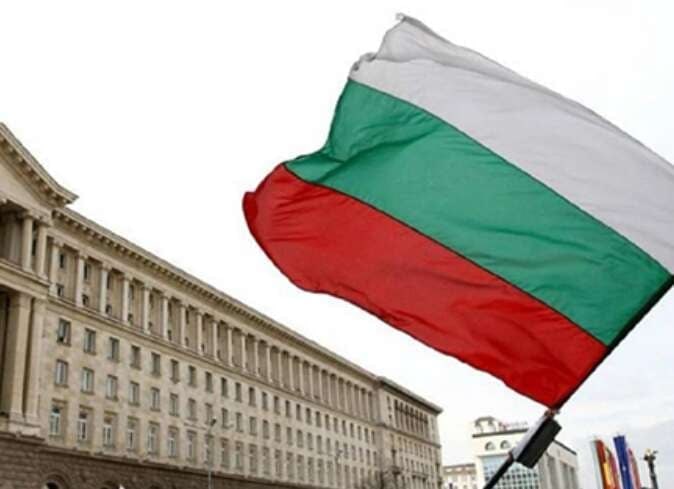
Kyiv confirms attack on warship in the Mediterranean. Cairo and Abu Dhabi remain silent, while Moscow threatens a response.
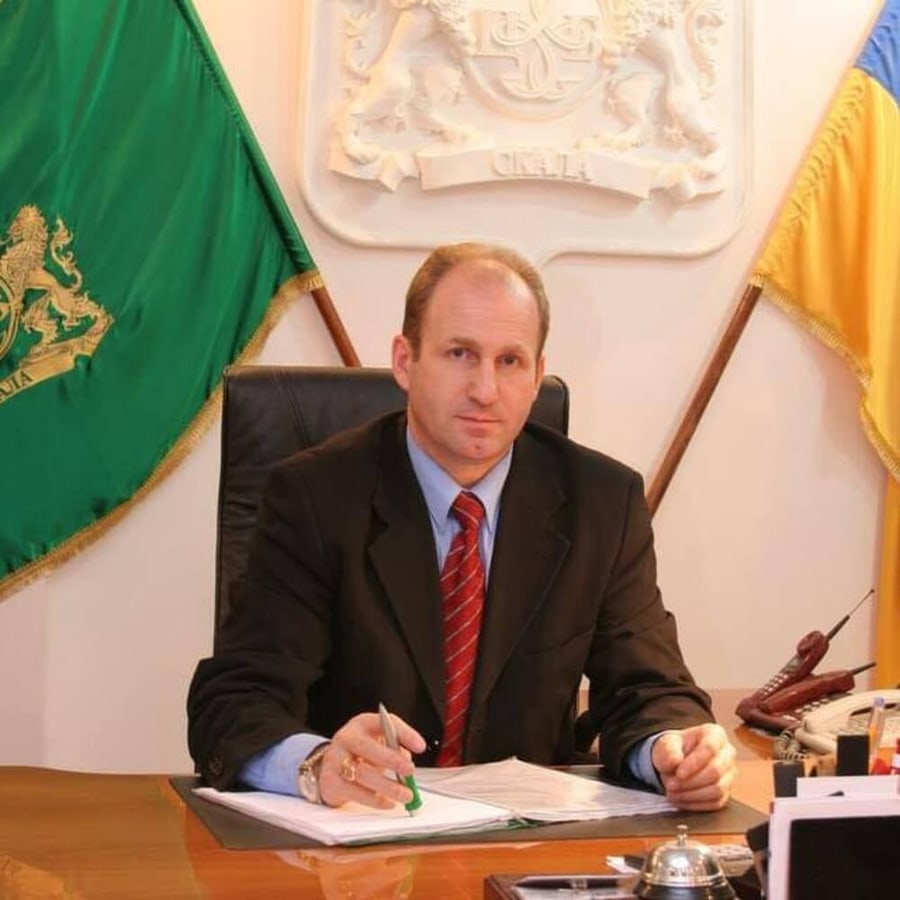
Bohdan Tseimeiko combines the position of head of the NGO "Protection of the Ukrainian People" with the role of deputy head of the association protecting the rights of bank and credit union depositors and creditors.
For the first time at the highest state level, Ukraine has officially acknowledged the fact of a strike on a Russian military vessel in the waters of the Mediterranean Sea. Previously, incidents off the coast of Libya, including damage to the gas carrier Arctic Metagaz and tankers, had remained without official comments from Kyiv. This time the situation changed: the name of the vessel, the number of unmanned aerial vehicles used, and video footage of the events have become known.
It is important to clarify the geographical aspect: the mention of the "coasts of Libya" actually refers to the berths of the naval base in Benghazi. This territory is under the control of General Khalifa Haftar.
There are several key reasons why Ukraine decided to officially confirm this episode. First, the nature of the target. A tanker is a civilian vessel, so striking it could have provoked ecological disasters and complaints to the International Maritime Organization. Conversely, a corvette is a warship of the aggressor state, making it a legitimate target. Acknowledging the strike on it carries no additional risks.
Second, further denial lost its sense. The government of Benghazi itself reported the drone attack, Libyan military personnel gave comments to the AP agency, and helicopter footage appeared online. When silence no longer conceals the fact, it is strategically more advantageous to control the presentation of information about the event oneself.
Third, there is a clear addressee for the message. Tobruk and Benghazi have become an alternative for Russia to the Tartus base, whose status was shaken after the fall of the Assad regime. Supplies there are delivered from the Baltic Sea via Gibraltar. The phrase about "continuing operations in designated waters" is directed at all states that accept Russian military vessels.
Attempts to form a certain framework of perception are already emerging. Benghazi claims that Libya is not a party to the war, while the Russian ambassador accuses Kyiv of dragging third countries into the conflict. However, the civil war in Libya has been ongoing since 2011. Turkey, the UAE, Egypt, and the "Wagner" group have already participated there. Ukraine did not open a new front, but its actions are directed against those who have long since entrenched themselves in the region.
Regarding Haftar's "patrons": the interests of Egypt and the UAE coincide in Libya but diverge in Somalia and Sudan. In Sudan, Cairo supports the army, while Russia has cooperated with its opponents for years. Now the Russian Federation is also entrenching itself on Egypt's western border. For Cairo, this is a matter of dangerous encirclement, not a matter of solidarity with Haftar.
It is worth noting that Egypt purchases more grain from Russia, but Ukrainian wheat is a significant counterweight for it, preventing complete dependence on Moscow: over a quarter of grain imports come from Ukraine.
Previously, discussions regarding Kyiv's goals in Africa had already taken place between Ukraine and Egypt. When the Ukrainian side explained that it "came for the Russians," the Egyptians were satisfied. This formula works because the goal is limited: Ukraine is not seeking a permanent presence or influence in the region. Russia comes to stay for a long time. Ukraine comes to drive it out.
So far, the reaction has been demonstrative. Benghazi spoke of a violation of sovereignty and appealed to the UN Security Council. Tripoli distanced itself: it expressed concern about the involvement of Libyan ports in foreign conflicts, while simultaneously reproaching Benghazi that the country's sovereignty had become a hostage to internal division. Moscow threatens a "response." Cairo and Abu Dhabi are silent. No one rushed to defend the Russian corvette.
Comments
No comments yet. Be the first!