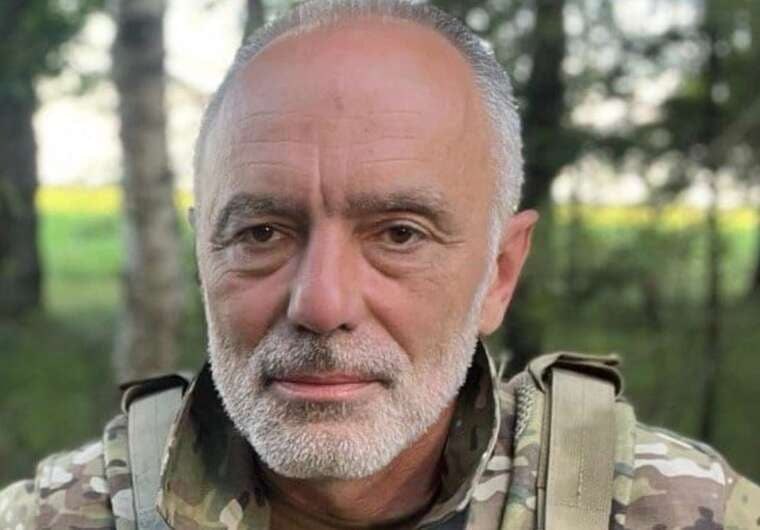
Kasyanov warns that Kyiv's bridges could be destroyed soon
Military serviceman Yuriy Kasyanov stated that the capital is not ready for the scenario of a complete loss of crossings over the Dnipro due to Russian missile strikes.
Military serviceman Yuriy Kasyanov stated that the capital is not ready for the scenario of a complete loss of crossings over the Dnipro due to Russian missile strikes.
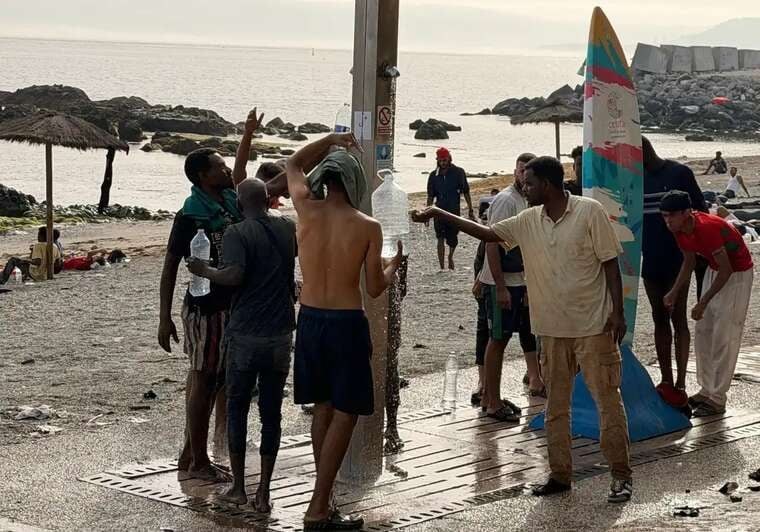
Greek Coast Guard conducted over a dozen rescue operations near Crete, evacuating approximately 1,000 people. Two bodies were also found near Gavdos island.
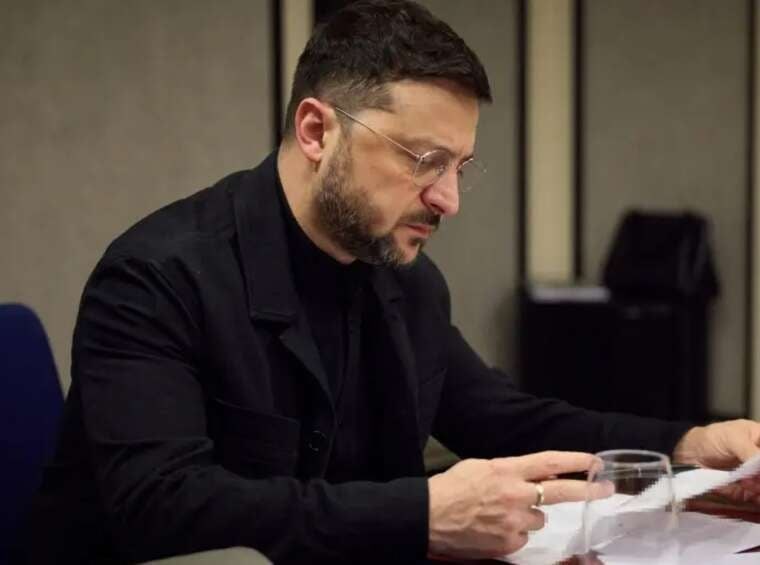
President Volodymyr Zelensky signed a law granting Ukraine the status of a member of the Governing Committee of the Special Tribunal for the Crime of Aggression.
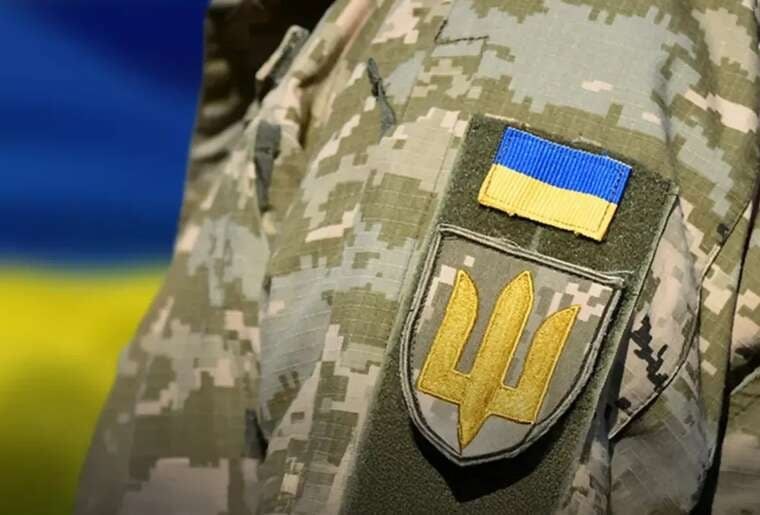
The Office of the Military Ombudsman has developed an idea for the gradual discharge of personnel based on accumulating points for service in different zones.
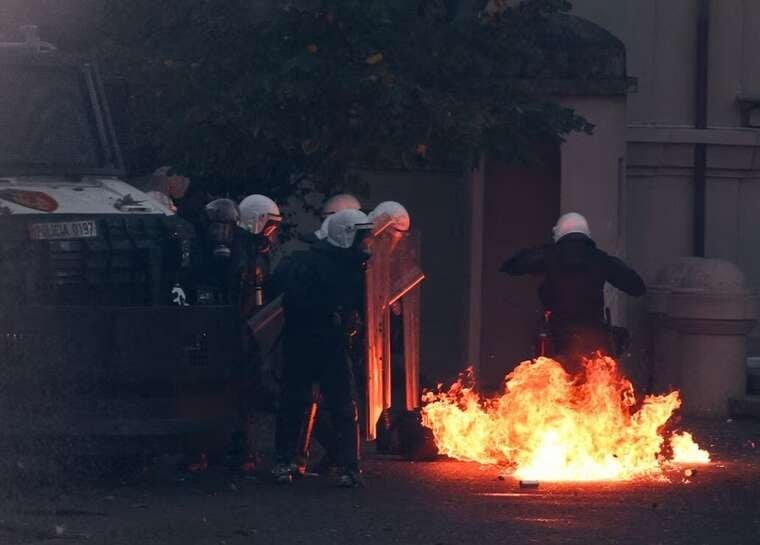
On 28 November, demonstrations against the authorities in Albania turned violent. Protesters demand the prime minister's resignation, while police deployed tear gas and rubber bullets.
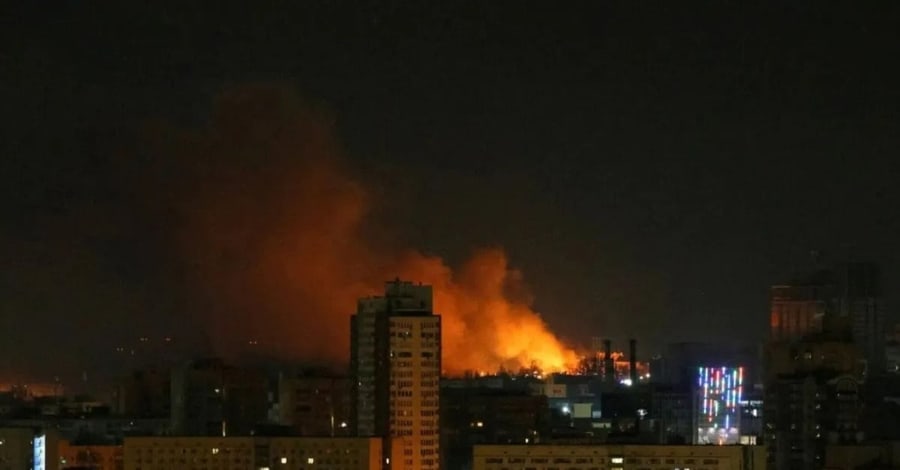
Meanwhile, the National Police clarified the number of people injured by Russian strikes in the capital, specifically in the Shevchenkivskyi and Sviatoshynskyi districts.
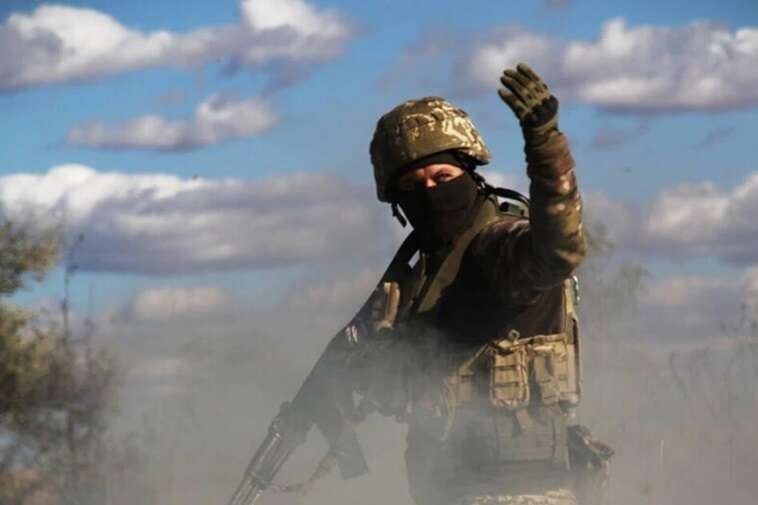
Ukrainian forces destroyed a training centre for Russian UAV operators in the temporarily occupied Berdiansk. Enemy losses are estimated at over 30 killed and up to 70 injured.

Polish Foreign Minister Radosław Sikorski stated that radical politicians in both states are using tensions to gain electoral advantages, despite successful attempts at diplomatic dialogue.
On 28 November, anti-government protests in Albania's capital, Tirana, escalated into serious clashes between demonstrators and security forces. The movement is primarily composed of students demanding the resignation of Prime Minister Edi Rama. This wave of discontent is a continuation of months-long protest actions against the current authorities.
The new rally took place on the country's Independence Day. During the action, protesters threw stones and bottles filled with flammable mixtures at law enforcement officers. In response, police deployed water cannons, tear gas, and rubber bullets. Some participants wore masks; they attacked the government building and attempted to break through to the prime minister's office. As reported by a Reuters journalist, law enforcement pushed the crowd back.
Similar riots have been recorded previously: demonstrators set fire to government buildings and banks, smashed shop windows, and ripped up paving stones to use as weapons against the police.
The main causes of the protests are widespread corruption, unemployment, and the low quality of education. The actions began in Tirana in mid-October and subsequently spread to other cities in the country. Protesters are also demanding improved living conditions and accessible healthcare.
«Досить - і корупції, і бідності, і еміграції» ("Enough of corruption, poverty, and emigration"), said 45-year-old engineer Eralda Bej, who took part in the rally. During Saturday's action, participants hung a banner with the slogan «Албанія не продається» ("Albania is not for sale").
Edi Rama's government rejects allegations of corruption and calls on protesters to engage in dialogue. Meanwhile, the authorities are attempting to reduce social tension by introducing additional support measures: reducing fuel prices and increasing payments to low-income families.
The current unrest is a continuation of summer actions, which were initially predominantly peaceful. At that time, citizens protested against large-scale construction on coastal areas, which was supported by US President Donald Trump's son-in-law, Jared Kushner. Edi Rama himself insists that coastal construction is legal and will not threaten natural areas.
This situation has become a new challenge for Edi Rama, who has headed the Albanian government since 2013 and won the elections for the fourth time last year. Corruption scandals have damaged the country's international image for years. According to analysts, Albania has also become one of the centres of activity for criminal groups laundering proceeds from drug and arms trafficking. However, the prime minister claims that his cabinet is making unprecedented efforts to combat corruption.
Comments
No comments yet. Be the first!