
Former minister Zlochevsky sells 54-metre yacht for 1.25 billion hryvnia
Former environment minister Mykola Zlochevsky has put the luxury vessel Rhino, built in 2016 at an Italian shipyard, on the market.
Former environment minister Mykola Zlochevsky has put the luxury vessel Rhino, built in 2016 at an Italian shipyard, on the market.

The presenter who fled to Russia said her skin on her chest cleared of burns after visiting the relics of Saint Spyridon in Greece.

The regulator determined a new value for the US currency rate, which will take effect the following day.

ATB network spokesperson stated that the cyberattack did not result in a leak of client information, as such data is not stored on the targeted servers.
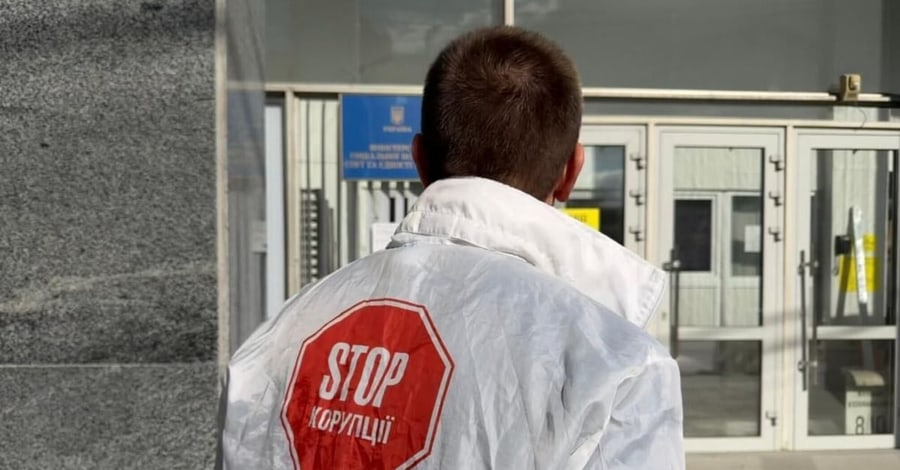
Reporters could not hand over the document to the State Employment Centre management in person due to security, so they placed it in the mailbox. The request concerns a criminal case and personnel appointments.

Cybercriminals gained access to the resource of Ukraine's largest supermarket chain and threaten to publish users' confidential data and the company's internal information.

Hackers gained unauthorised access to the CPR database via a private company. Authorities have blocked access and are investigating the incident.
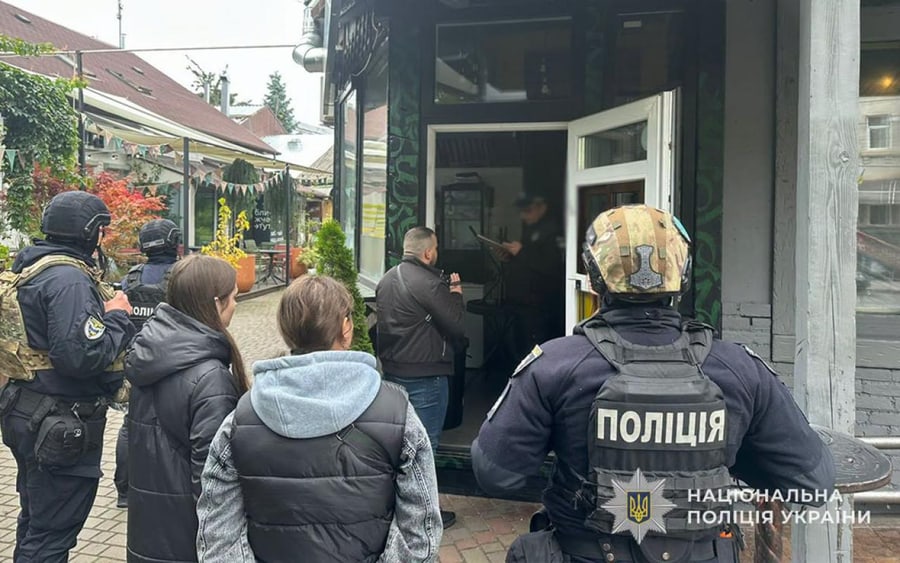
In Ternopil, a criminal case is being heard involving several members of one family, whom investigators link to a large-scale scheme for the sale of prohibited kratom.
A serious information security incident has been recorded in Denmark. Hackers managed to gain unauthorised access to the Central Population Register (CPR), putting the personal data of approximately 8.8 million people at risk.
According to the investigation, the attack was made possible by the use of legitimate access rights belonging to one of Denmark's private companies. It was through this channel that unknown hackers penetrated the system. Authorities detected suspicious activity in the database at the end of September.
The company's access to the CPR register has now been completely blocked. Police, cybersecurity experts, and the Danish Data Protection Agency are jointly investigating the circumstances of the incident. The specific perpetrators of the attack have not yet been identified at this stage.
The number of affected individuals significantly exceeds Denmark's total population, which stands at around 6 million residents. This is explained by the fact that the Central Population Register contains records not only of currently living citizens, but also of people who have died or moved abroad. In total, approximately 11 million people are registered in the CPR system.
Preliminary checks indicate that the data of citizens who used the name and address protection service was inaccessible to hackers during this incident.
The government is conducting a comprehensive security review of the Central Population Register. Meanwhile, authorities are warning citizens of an increased risk of fraud, as stolen personal data could be used to commit crimes.
Comments
No comments yet. Be the first!