
Stablecoins maintain dollar peg despite capital outflows
Experts note that the outflow from the stablecoin market is a planned redemption rather than a panic flight, while major financial players continue to integrate these assets.
Experts note that the outflow from the stablecoin market is a planned redemption rather than a panic flight, while major financial players continue to integrate these assets.

Lithuanian Foreign Minister Kestutis Budrys emphasised that the country did not grant permission to use its airspace for attacks on Russian territory.

AI-generated passport data is being used en masse to verify with Anthropic, allowing users to avoid service blocks.

Cross-chain protocol confirms $12m incident and begins negotiations with the attacker, promising to leave a portion of the proceeds in exchange for restitution.

Threads users discuss Parfum City's collaboration with bloggers. According to the post's author, influencers received messages stating no orders were made, despite the use of promo codes, after their ads went live.
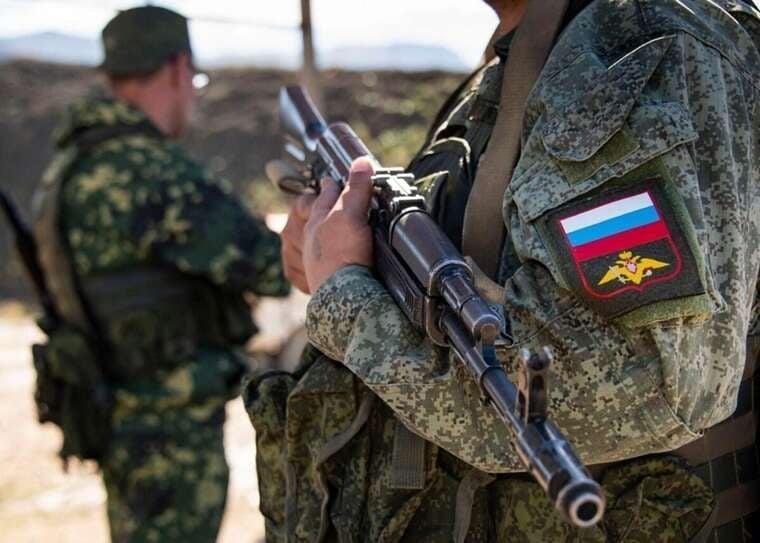
Konstantin Mashovets reported that Russian troops have captured three settlements and approached Dobropillia from the south. In his assessment, the enemy may launch a full-scale assault on the city.

Slovak Prime Minister Robert Fico stated that his country will not participate in the new €45 billion EU financial package for Kyiv, calling Brussels' pressure "political blackmail".

True winter weather prevails at the summit of Pop Ivan. Frost down to -12° and significant snow cover have been recorded there.
Preliminary data on significant capital outflows from stablecoins raised concerns, but a detailed analysis of the situation reveals several important positive factors indicating the absence of a systemic crisis.
At present, both of the largest stablecoins are successfully maintaining their peg to the US dollar. As of 8 November, the trading rate for USDT was $0.9989, and for USDC — $0.9995. The withdrawal of funds is occurring through standard redemption mechanisms at nominal value, which distinguishes the current situation from the events of 2022. At the peak of the panic then, the USDT rate fell below $0.96, and the Terra algorithmic token UST suffered a complete collapse. The current outflow of funds is compared to the maturity of emergency deposits before holidays, rather than a bank run.
Analysts at the Nansen platform note that dollars withdrawn from stablecoins are primarily returning to traditional financial instruments due to a combination of falling asset prices and high interest rates. This indicates that investors are not leaving the market permanently but are waiting for more favourable conditions. It is expected that after interest rates fall, holding dollars in bank deposits will become less profitable, which will stimulate the return of part of the capital to higher-yield markets.
According to Bitget Wallet data, stablecoin balances in developing countries remained stable from the end of September to mid-November, despite the fact that the global indicator decreased by approximately 14%. For residents of regions with unstable national currencies, USDT serves as a tool for capital preservation and international remittances, rather than a speculative asset. This fundamental demand remains unchanged.
Rather than creating new exits from the market, leading companies are building new entry points. On 12 November, Securitize and Ethena launched a mechanism that allows exchanging shares of the BlackRock BUIDL fund for stablecoins outside of regular banking hours. This indicates that the world's largest asset manager continues to integrate traditional finance with the stablecoin sector even at the stage of a market correction.
Despite the presence of risks, the figures demonstrate an orderly outflow rather than a collapse. The dollar peg is maintained, and large capital is activating new infrastructure projects. The question of the impact of future central bank digital currencies on the Bitcoin market will be considered separately.
Comments
No comments yet. Be the first!