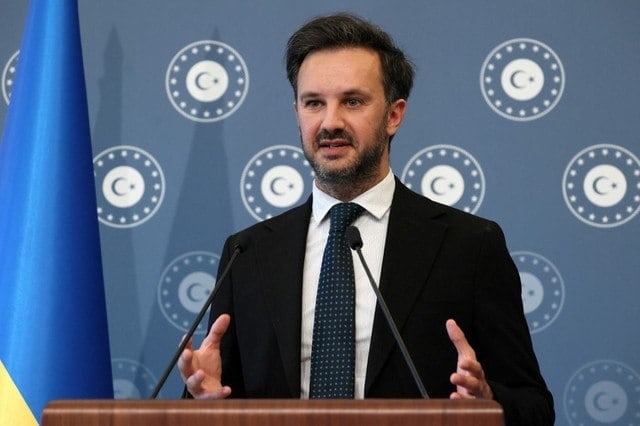
Kyiv explains maritime drone strike on Russian corvette near Libya
The Ukrainian side called the attack lawful self-defence, noting that Moscow bears responsibility for the risks to Libya.
The Ukrainian side called the attack lawful self-defence, noting that Moscow bears responsibility for the risks to Libya.
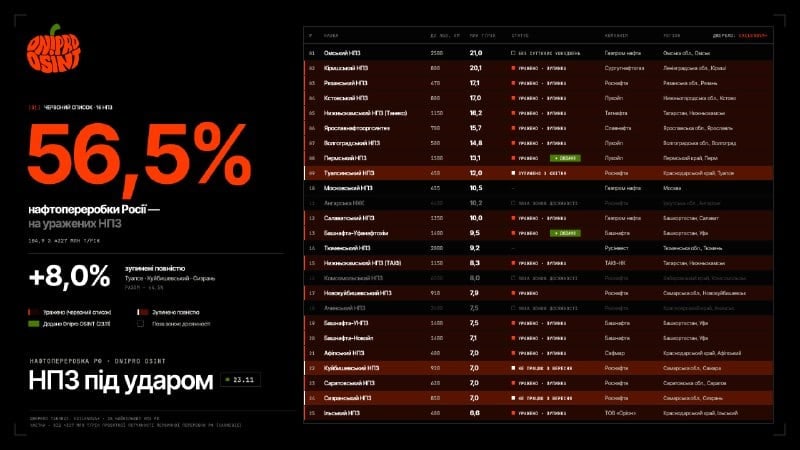
Following strikes on the Perm and Novoshakhtinsk refineries, facilities accounting for 60–70% of the sector are under fire. Analysis shows why the fuel crisis in Russia is currently being contained.

The lawyer supported a bill by construction associations aimed at limiting the use of criminal cases to pressure entrepreneurs and reviewing the powers of the anti-corruption court.
Combat medics from the "Artan" special unit, together with police, provided aid to victims of an attack on a vehicle in Zaporizhzhia region.
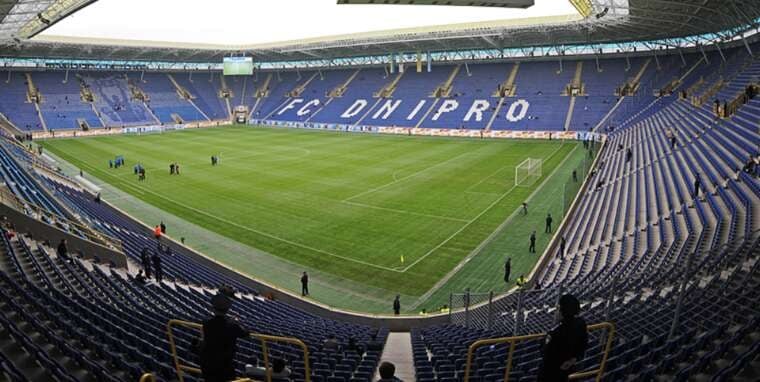
The auction for the sale of Dnipro's football infrastructure was won by representatives of the Inspira business club, who were the sole participants in the bidding.

The politician spoke against schemes allowing international representatives to influence staffing decisions in state bodies during a meeting of the Consensus Council.
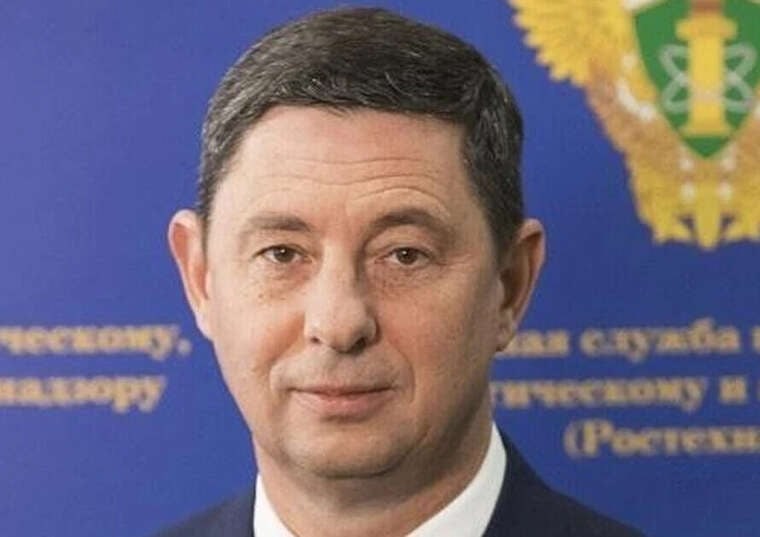
The MFA and the Energy Ministry condemned Rafael Grossi's decision, as Oleksii Ferapontov is implicated in violations at the Zaporizhzhia NPP and is under sanctions.

A capital lawyer and his assistant organised the illegal removal of servicemen from their units. Clients paid an average of $10,000 for each such service.
Yesterday, the Defence Forces of Ukraine struck two key objects of the occupier's energy infrastructure — the Perm and Novoshakhtinsk refineries. Together, these enterprises generate up to 8% of the total oil refining capacity in Russia.
Updated statistics indicate that facilities providing approximately 60–70% of the entire oil refining industry of the aggressor state are under fire. Such simultaneous damage on this scale is unprecedented in this sector for the entire period of the full-scale war.
Despite significant capacity losses, Russians have not yet experienced a full-scale fuel crisis. One of the factors restraining the escalation of the situation remains accumulated stockpiles and imports. Specifically, in October alone, the volume of petroleum product imports into Russia increased by 25%.
If one sets aside media statements and assesses the situation through the lens of economics, the position of the Russian oil refining industry becomes increasingly critical. Moscow is forced to spend colossal sums not only on restoring damaged plants but also on supporting the domestic fuel market.
Imports, logistics, equipment repair, and measures to curb the deficit create additional pressure on the economy. These resources, which could have been used to continue military operations, are instead being spent on eliminating the consequences of Ukrainian strikes.
Comments
No comments yet. Be the first!