
KOLA presents album "Pink Sofa" featuring 14 tracks on the evolution of love
Ukrainian artist KOLA released a new music project on 20 November, which uses the image of a sofa to tell the story of a relationship from initial passion to breakup.
Ukrainian artist KOLA released a new music project on 20 November, which uses the image of a sofa to tell the story of a relationship from initial passion to breakup.
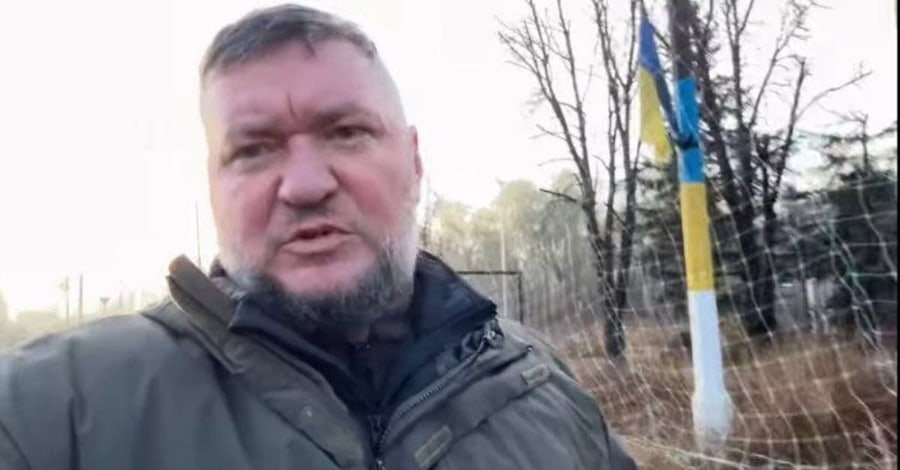
Volodymyr Rybalkin warned of threats from drones and artillery, noting that 13 minors remain in the community, and urged residents not to risk their children's lives.
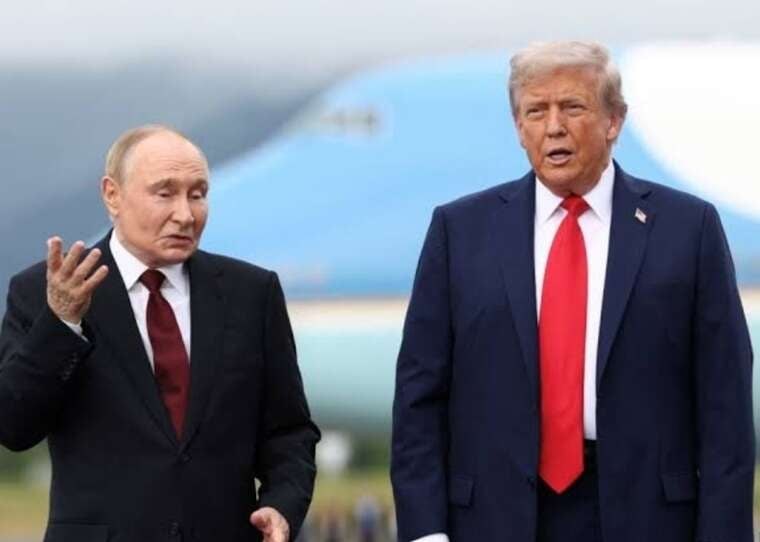
US President Donald Trump stated that Russian leader Vladimir Putin inadvertently sent drones and several small missiles into Polish airspace.
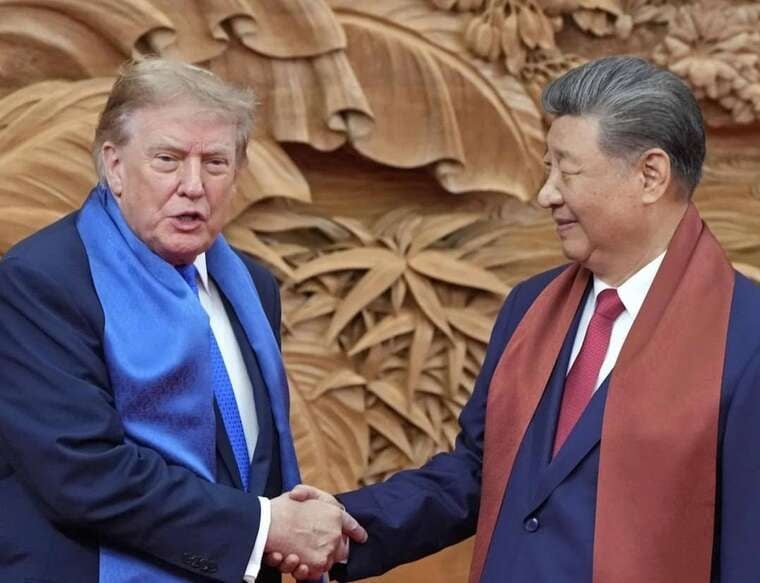
Organisers of the trilateral meeting between US, Chinese and Russian leaders suspended a Bloomberg correspondent following an awkward question to Trump. White House efforts to lift the ban proved futile.
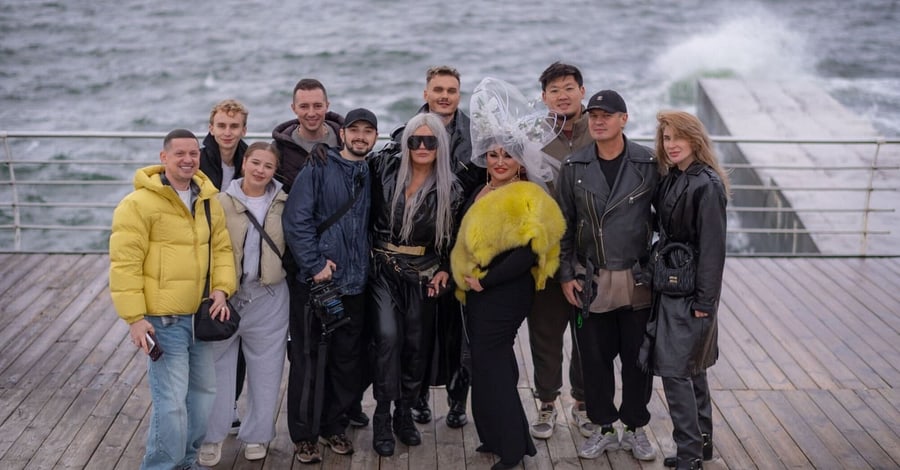
Ukrainian artist MARSIK unveiled a new work dedicated to Odesa blogger Svitlana Bazaranko. The video combines elements of high fashion, folk traditions, and cinematic aesthetics against the backdrop of the famous market.
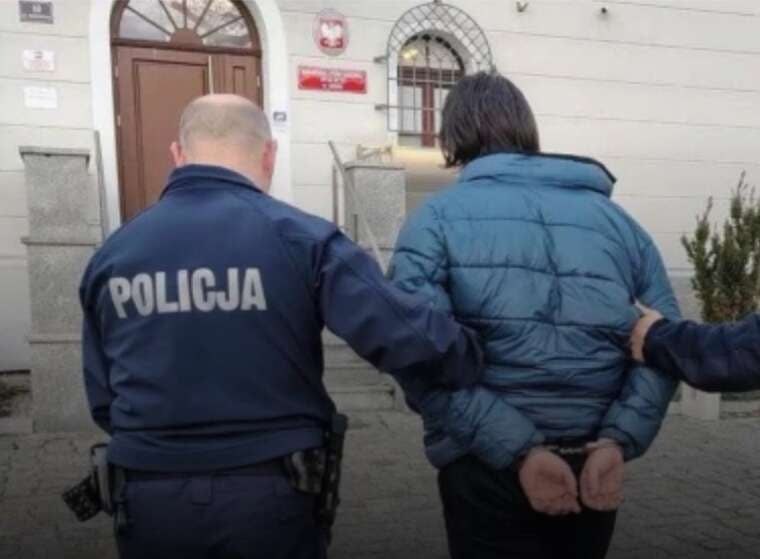
Polish police detained a 20-year-old man who damaged property at a school in Opole Voivodeship while intoxicated.
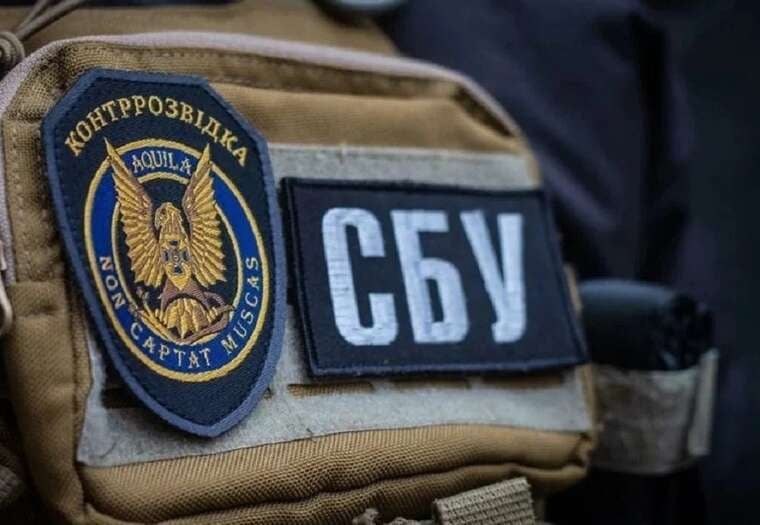
In the recorded dialogue, the intelligence service official complained that access to confidential information had become more difficult due to the actions of Bureau detectives.
Analysis of the activities of Andriy Usenko and Denys Honchar's company revealed high markups on land plots and contradictions between the declared tax status and actual revenue volumes.
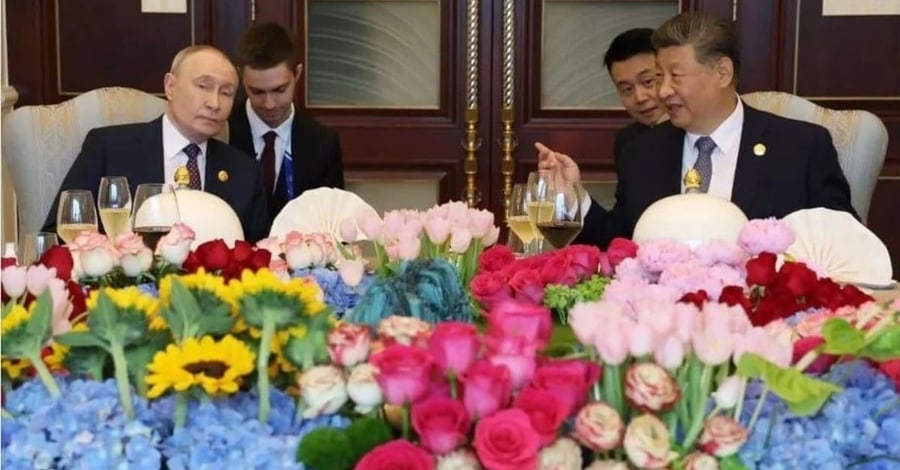
On 18–19 November, diplomatic meetings involving Donald Trump, Xi Jinping and Vladimir Putin took place on the sidelines of the Asia-Pacific Economic Cooperation (APEC) summit in Shenzhen, China. Particular attention was drawn to the floral arrangements in the rooms where the negotiations were held. According to descriptions of the compositions, sunflowers – flowers that became an international symbol of support for Ukraine after the start of Russia's full-scale invasion – were placed near the Russian dictator's seat.
The sunflower has long been associated with Ukraine, particularly due to the crop's significance for Ukrainian agriculture and its presence in folk art.
Following Russia's full-scale invasion in February 2022, the flower acquired new international significance. Sunflowers began to be used during solidarity actions with Ukrainians, anti-war demonstrations and charity events.
That is why their possible appearance next to the Russian dictator during international negotiations may evoke associations with Ukraine.
However, it is important to note that the sunflower is not exclusively a Ukrainian symbol. It is used in decorative arrangements in many countries, in particular as a symbol of the sun, life energy and prosperity.
The Chinese side has not yet reported that the floral composition had a political subtext or was addressed to Putin.
Another element of the described composition was blue hydrangeas.
These flowers have large inflorescences composed of many small blossoms. In various cultural traditions, they are associated with gratitude, harmony, unity and mutual understanding.
In the context of a diplomatic meeting, hydrangeas can be symbolically linked to the idea of cooperation between states.
However, such an interpretation remains subjective. Without an official explanation from the organisers, it is impossible to determine whether they embedded a specific political meaning in the choice of flowers.
In addition to the floral arrangements, differences in the official welcome ceremonies for Donald Trump and Vladimir Putin became a subject of discussion.
On 18 November, Xi Jinping personally met the US president at Shenzhen airport. The leaders shook hands and embraced.
In contrast, Putin was met by Cai Qi – one of the most influential members of the Communist Party of China's leadership and a close ally of Xi Jinping.
This difference attracted the attention of international media, although both receptions took place at a high diplomatic level.
During the official reception on 18 November, Trump and Putin also shook hands in the presence of Xi Jinping. The leaders later participated in a joint photo session.
A trilateral meeting took place on 19 November at the Kylin Villa residence. Topics of the negotiations included international security, nuclear arms control and Russia's war against Ukraine.
In diplomacy, significance can be attached not only to official statements but also to the order of welcoming guests, the seating of delegations, the placement of state symbols and the decoration of premises.
However, interpreting such details requires caution.
In the case of the sunflowers, there is no confirmation that Chinese organisers deliberately used Ukrainian symbolism to demonstrate their attitude towards the Russian dictator.
Similarly, there is no evidence that the placement of the flowers was an agreed diplomatic signal regarding the war in Ukraine.
At the same time, the association of sunflowers with Ukraine explains why such a composition may attract attention at an international event where one of the participants is Putin.
Previously, details of the diplomatic protocol at the APEC summit were discussed online. Social media users noted the positioning of world leaders during the joint photo session and the difference in the welcome ceremonies for Trump and Putin.
Analysts at The Economist also examined scenarios for a possible redistribution of spheres of influence between the US, China and Russia. The publication considered the risks of such a scenario for Ukraine and other states, without asserting that relevant agreements already exist.
Comments
No comments yet. Be the first!