
Dasha Astafieva says her pet crow Patrick returned home after five days
The Ukrainian performer announced that the missing bird is safe again, although details of its time in the wild remain unknown.
The Ukrainian performer announced that the missing bird is safe again, although details of its time in the wild remain unknown.
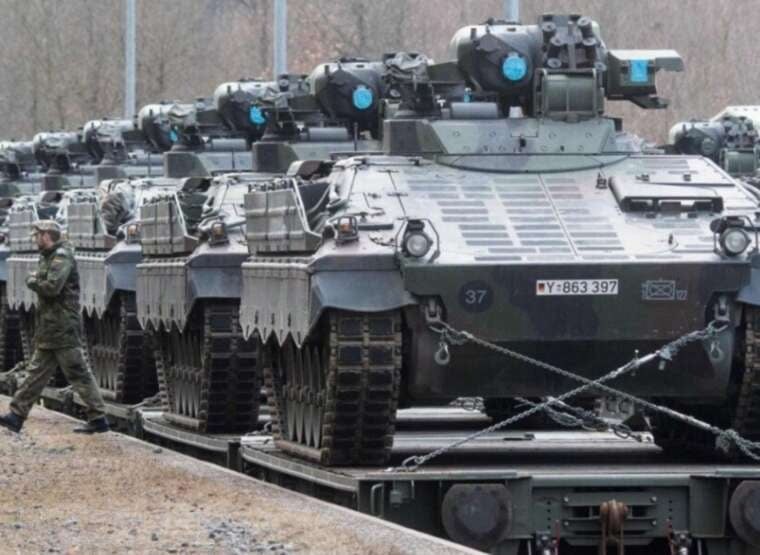
Berlin fears escalation, while polls record a decline in support for Kyiv. The CDU/CSU emphasises the right of the Ukrainian Armed Forces to strike Russian military targets.

CryptoQuant experts note that without an increase in the circulating supply of the USDT stablecoin, Bitcoin is only capable of short-term rebounds, as historical highs have never been recorded during liquidity outflows.
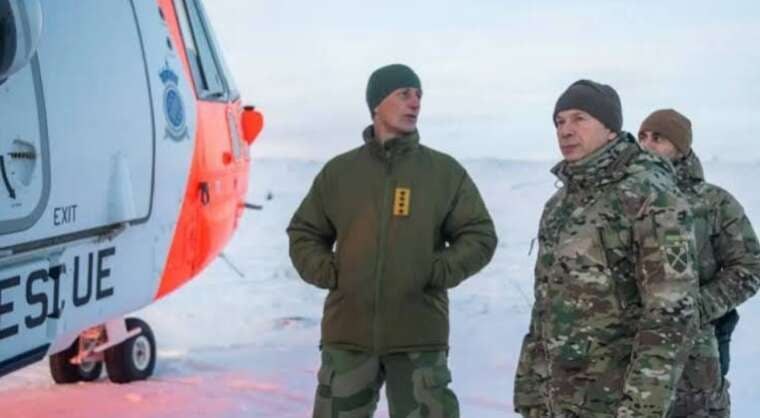
Former Commander-in-Chief of the Ukrainian Armed Forces Oleksandr Syrsky, together with the Norwegian Chief of Defence Eirik Kristoffersen, inspected the border zone and provided advice on air defence.

The actress spoke about equal opportunities in the professional sphere, commenting on her work on the mini-series released on Prime Video.
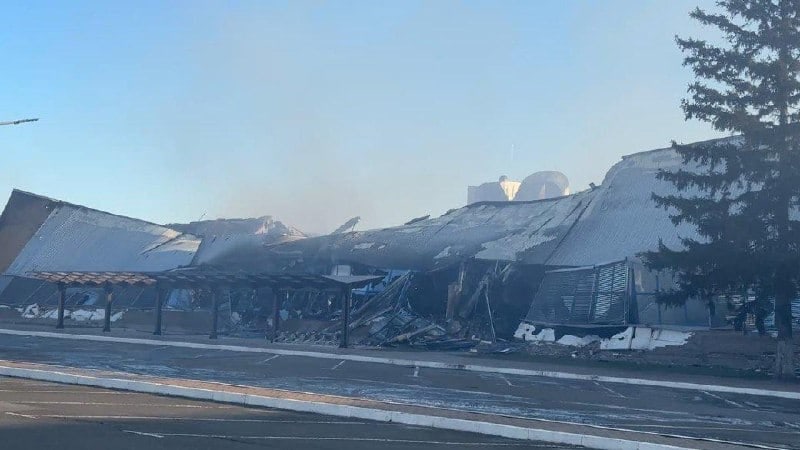
The Russian army carried out another strike on the tobacco corporation's production infrastructure in Chernihiv Oblast.
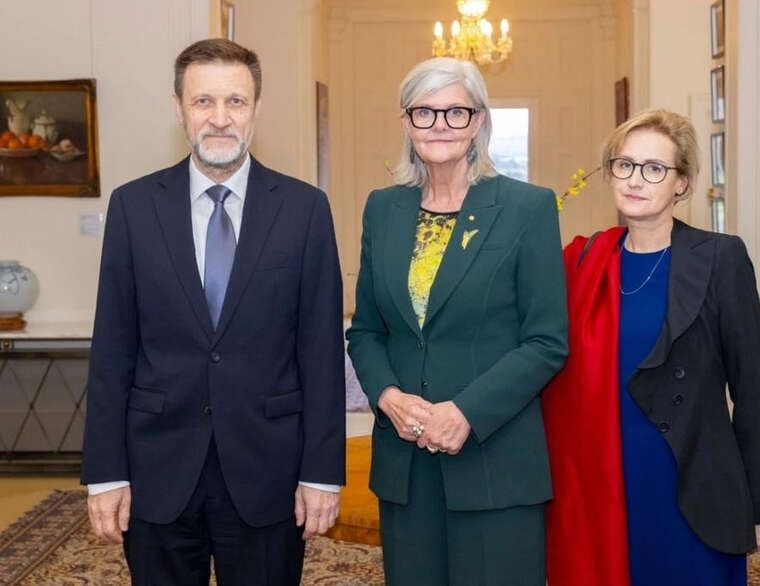
The Italian Prime Minister expressed an angry reaction to the Ukrainian President's claims about an alleged coordinated attack on Benghazi with allies.
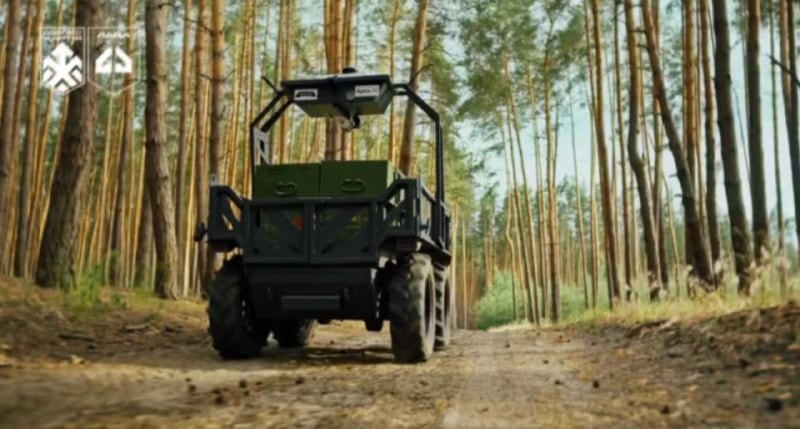
Testing of the ground robotic complex confirmed the possibility of autonomous movement in real conditions, eliminating the need for constant operator control.
For the first time in the history of combat application of a ground robotic complex (GRC), artificial intelligence enabled the machine to independently cover over 90% of the designated route. This result was obtained during tests conducted by the 'Lava' unmanned systems regiment of the National Guard's 2nd Corps 'Khartya'.
The experiment took place during the execution of a real logistics task at combat positions. GRC battalion commander Andrii Kopach, known by the callsign 'Matematyk', stated that he is unaware of other cases of using similar systems in combat conditions. He detailed the tests in an interview with the 'Donbas Realities' project of Radio Svoboda.
Initially, the team expected the autonomous mode to allow the robot to travel only about half the distance. However, the actual figure was significantly higher — over 90% of the route was covered without operator intervention.
The trajectory was chosen considering realistic, but not extreme, conditions. The route included various types of terrain and contained obstacles. At one point, the operator took over control when the robot faced a section with extremely dense vegetation. The military decided not to risk the equipment.
To ensure navigation, a digital twin of the terrain section was created for the GRC — a detailed 3D map of the route. Scanning was conducted using a lidar, which records surrounding objects using laser pulses and forms a three-dimensional model.
Based on this data, artificial intelligence algorithms determined how to move, oriented the system on the terrain, and reacted to obstacles. This allowed the complex to move without constant control from the operator.
The main goal of such tests is to prepare ground robotic complexes for operation in conditions of unstable or complete lack of communication. The robot's ability to independently cover part of the route frees the operator from the need to monitor every movement of the machine.
This allows the serviceman to focus attention on detecting external threats: FPV drones, mine-laying, possible ambushes, and other enemy actions.
Comments
No comments yet. Be the first!