
Tetris toys with Russian anthem melody pulled from sale in Baltic states
Retail chain Rimi removed children's consoles playing the Russian Federation anthem following a journalistic investigation. The manufacturer called the incident a mistake.
Retail chain Rimi removed children's consoles playing the Russian Federation anthem following a journalistic investigation. The manufacturer called the incident a mistake.
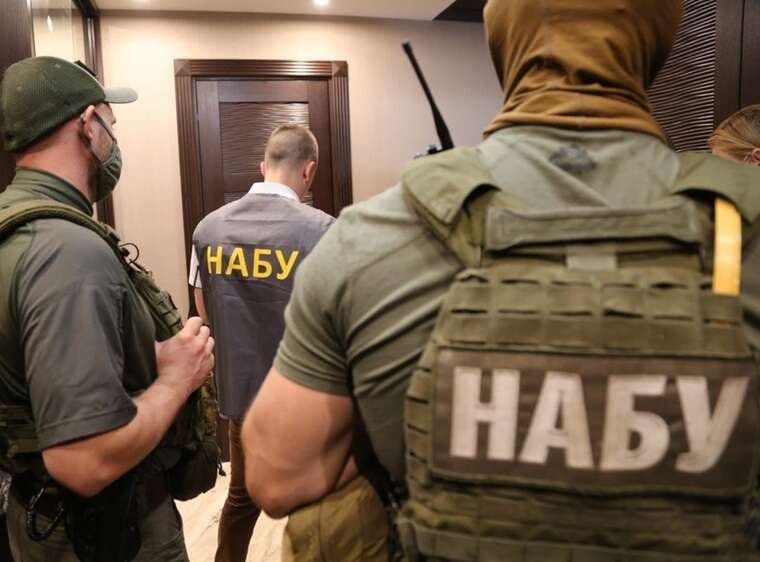
The Anti-Corruption Bureau is focusing on the suspect's cooperation with a former MP and an intermediary, as well as the scale of the illegal tobacco business.
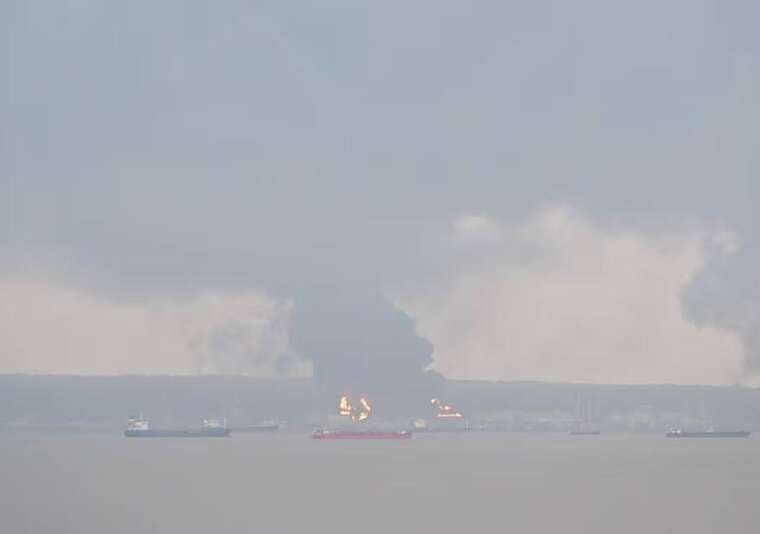
Finnish military recorded an incident involving a Russian warship in the Gulf of Finland, while officially confirming that the overall security situation in the region remains under control.
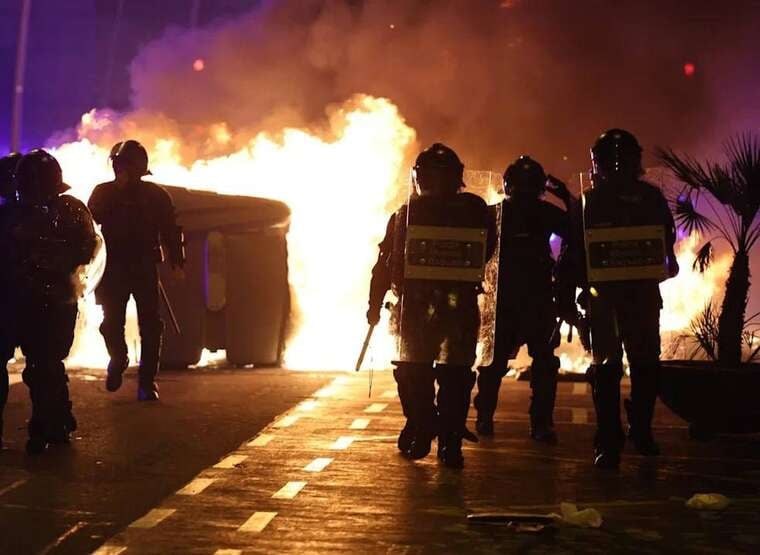
Mass actions in Spain, which culminated a 24-hour strike, ended in violence in the Catalan capital. Protesters demand government action on the housing crisis.
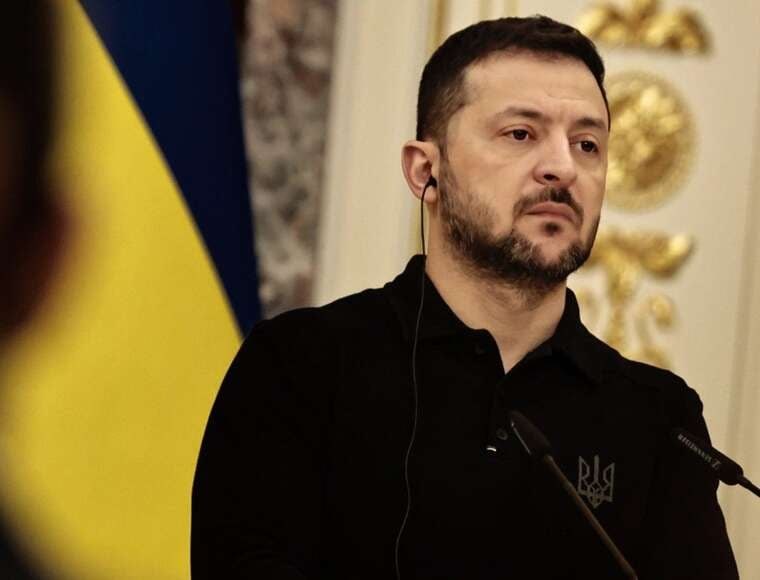
The President of Ukraine stated that since the beginning of November, Russian forces have delivered more than 310 strikes on energy infrastructure, resulting in power outages for nearly 700,000 citizens.
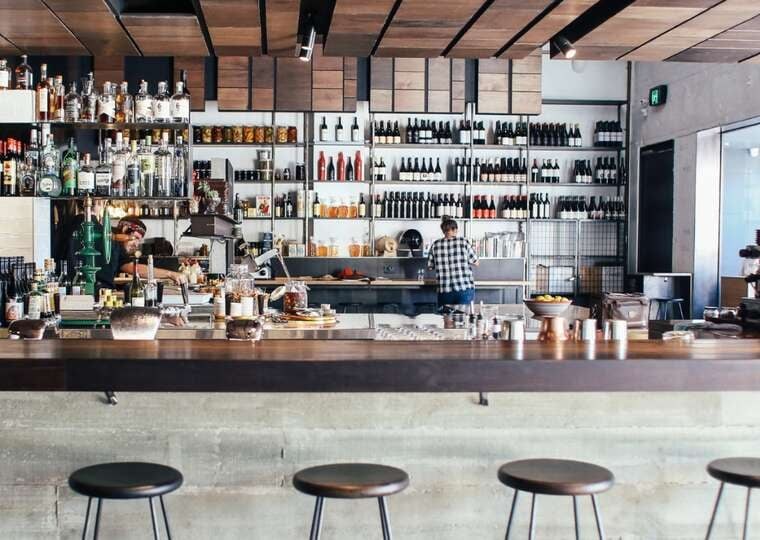
Olha Nasanova, co-founder of the National Restaurant Association of Ukraine, reported that approximately 10% of the capital's restaurants and cafes are temporarily suspending operations due to the energy crisis.
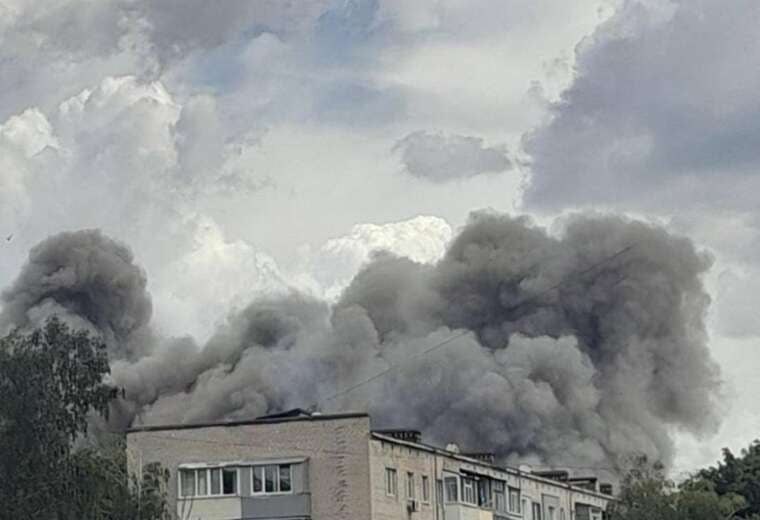
A powerful forklift explosion occurred in a production workshop at the Bratsk Aluminium Plant in Irkutsk Oblast.
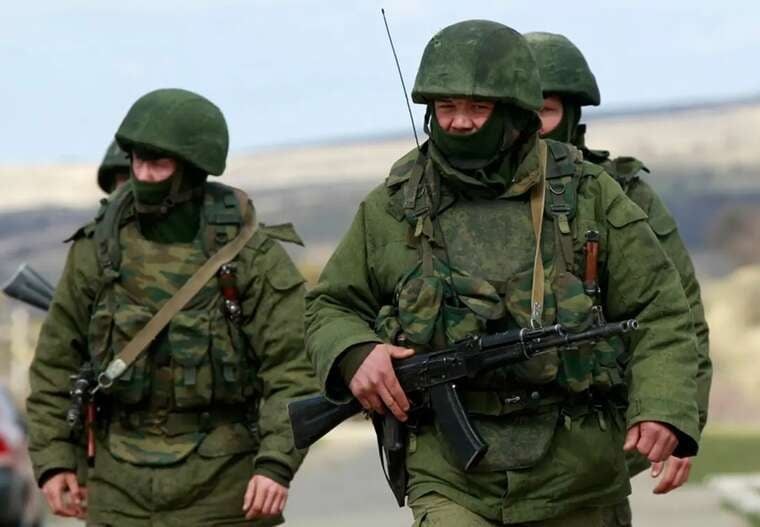
Dmytro Pelykh reported on changes in enemy tactics in the Orihiv direction: an increase in small assault groups, active mine-laying by FPV drones, and the use of aerial bombs.
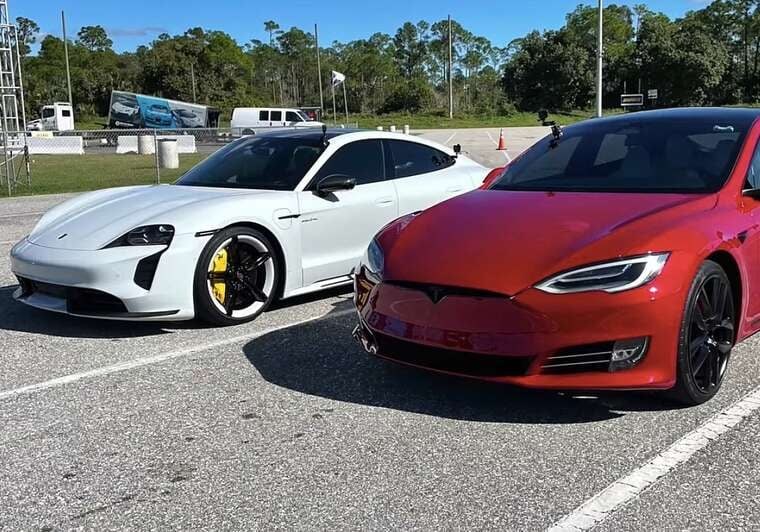
On 15 October, Porsche and Tesla presented their respective vehicles. While Elon Musk's company staged a spectacular show where the roadster performed a somersault in the air, Porsche opted for a more traditional approach with its Mission S concept.
Speaking at a conference in Berlin this week, Michael Layters barely touched upon Tesla's presentation. He stated that Porsche wants to "повністю утриматися від будь-яких ефектів та шоу" (completely refrain from any effects and shows). Instead, the company wants to demonstrate tangible technological innovations.
The executive also noted that these two cars are aimed at different customers. This indicates that Porsche is not particularly interested in competing with Tesla in terms of spectacle.
The contrast was hard to miss. Tesla finally unveiled its next-generation roadster almost nine years after showing a prototype in 2017. At the October presentation, the car climbed a curved ramp before flying into the air, performing a rotation in mid-air and landing on its wheels. The stunt relied on pneumatic engines developed with the help of SpaceX engineers.
This was undoubtedly an attractive way to present a new sports car, but Tesla still has a lot to prove. The company outlined several versions, including:
While Tesla sells the dream of an electric hypercar with a rocket engine, Porsche has something else in mind. Mission S is a mid-engine sports car positioned above the 911, and the price is expected to be significantly higher if it gets the green light for production.
Its engine has not yet been revealed, but all signs point to an eight-cylinder power unit, whether it is a V8 or a flat-eight.
Layters says that the reaction from potential customers has been "приголомшливою" (staggering), making this concept an important part of his strategy to push Porsche into a higher market segment. The car is being developed for use with a hybrid or conventional internal combustion engine, so Porsche is not necessarily abandoning the petrol engine at the top of its lineup. It may even receive a manual gearbox, provided that demand is high enough for the numbers to work.
The release of a production Mission S would also mark Porsche's return to the supercar segment for the first time since the 918 Spyder in 2015. This puts Ferrari in the crosshairs, although Porsche's main goal is to increase exclusivity and average selling prices to improve profitability.
It is worth noting that not everyone in the industry shares Layters' reservations about Tesla's presentation. Ferrari CEO Benedetto Vigna previously gave the roadster presentation a perfect 10 out of 10, showing that Musk's theatrical approach has its fans in the world of sports cars as well.
Ultimately, Porsche and Tesla have very different ideas about what a flagship sports car should be. One is betting on rocket technology and spectacular demonstrations, while the other wants to win customers with engineering solutions and exclusivity.
Comments
No comments yet. Be the first!