
Zelensky calls on men of mobilisation age to return to Ukraine
The President of Ukraine stressed that citizens of mobilisation age abroad must be in the country.
The President of Ukraine stressed that citizens of mobilisation age abroad must be in the country.

Vladyslav Sokolov accused Mykola Kalashnyk of failing to meet financial obligations, citing construction work carried out without contracts and searches conducted by the SBU.
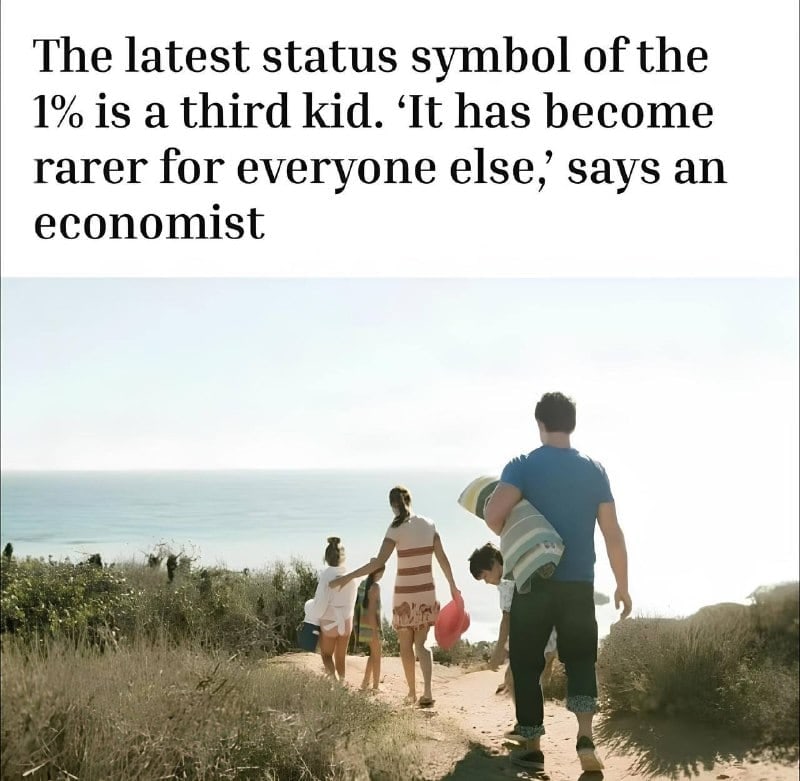
Analytics shows that large families are becoming the norm among the wealthiest segments of the population, while for most people it remains a financially unattainable dream due to rising costs.

The issue is linked to mini-apps in chats. Users are advised to update the messenger and avoid opening suspicious links from unknown bots.
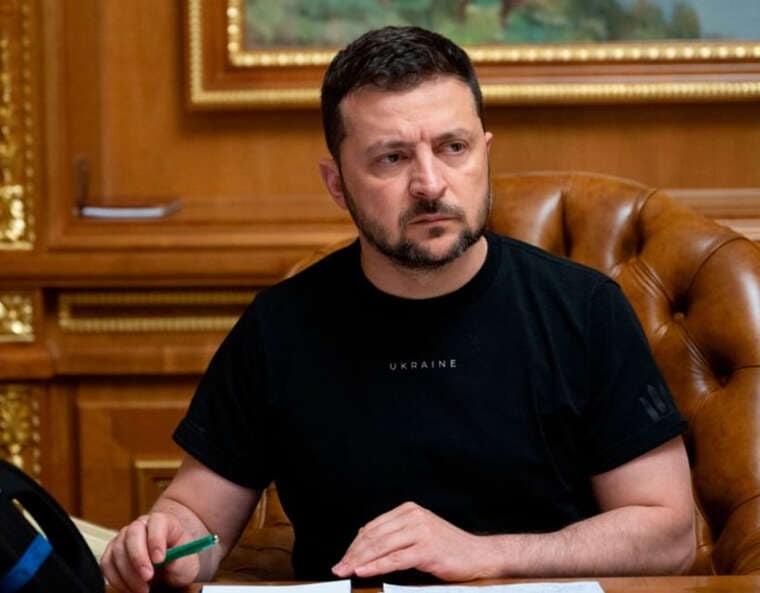
Volodymyr Zelensky instructed the government, the National Security and Defence Council, and the President's Office to monitor the accuracy of data on heating and technical support in the regions.

Solomianskyi Court in Kyiv ordered a fine for customs rule violations due to an attempt to disguise expensive Gucci, Cartier and Porsche glasses as cheap plastic boxes.

On 11 November, Russian forces shelled Pavlohrad, Nikopol and Synelnykove districts. According to the Regional Military Administration, six people were injured, and one was hospitalised in critical condition.

The Kyiv Court of Appeal rejected the defence's appeal against the preventive measure imposed on the activist following his detention during a protest in Teremky.
In modern society, a new hierarchy of status symbols is forming. If expensive accessories or vehicles were previously considered indicators of success, the ability to support a large family is now gaining similar significance. Statistical data indicates a clear division: among the 1% wealthiest entrepreneurs, 50% of families raise three or more children. For comparison, among other affluent citizens, this figure is approximately 40%.
The key factor distinguishing the wealthiest group is precisely the birth of a third child. This stage becomes the watershed between different levels of financial security.
It is worth noting that the birth rate among wealthy segments has remained stable over the decades. As far back as the 1990s, the wealthy had approximately the same number of children. Changes occurred in the behaviour of the rest of the population: over the last 70 years, the average number of children per woman worldwide has decreased from five to 2.25.
Maintaining a large family involves significant expenses on housing, quality education, and constant childcare. This creates a specific trap for members of the middle class. Their incomes are usually too high to qualify for state social assistance, yet insufficient to hire nannies or cover all child-related expenses out of pocket.
Despite financial difficulties, the desire to have a large family persists. Data from a UN survey conducted in 14 countries shows that a significant proportion of people aspire to have two or more children. At the same time, one in five respondents admits to fearing they lack sufficient resources to realise this plan.
The main obstacles to growing a family remain financial constraints, housing issues, and general uncertainty about the future.
Comments
No comments yet. Be the first!