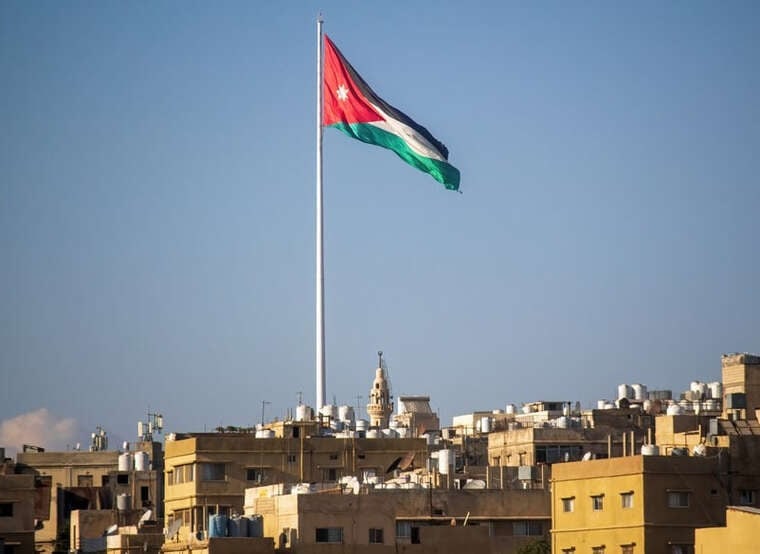
Death sentence for three attackers at church in Jordan where nine people were killed
A Jordanian court sentenced brothers and their relative to death for an armed attack on a Greek Orthodox church that took place during a funeral.
A Jordanian court sentenced brothers and their relative to death for an armed attack on a Greek Orthodox church that took place during a funeral.

Member of the British royal family visited a sporting event in Lviv and supported Ukrainian soldiers.
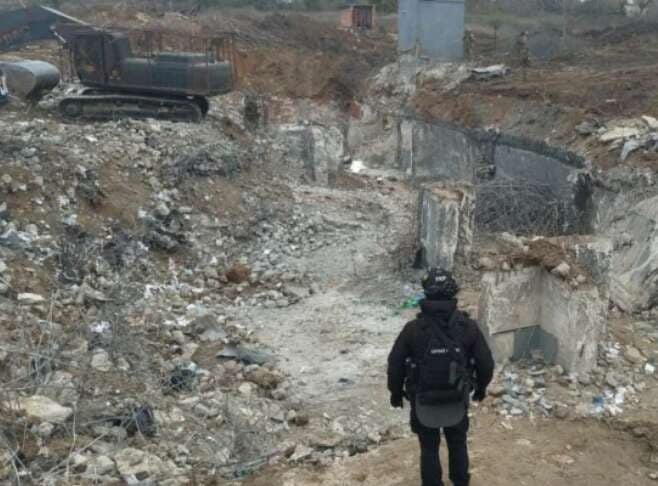
The ministry stressed that Moscow remains a party to international treaties obliging it not to attack civilians and protected objects.
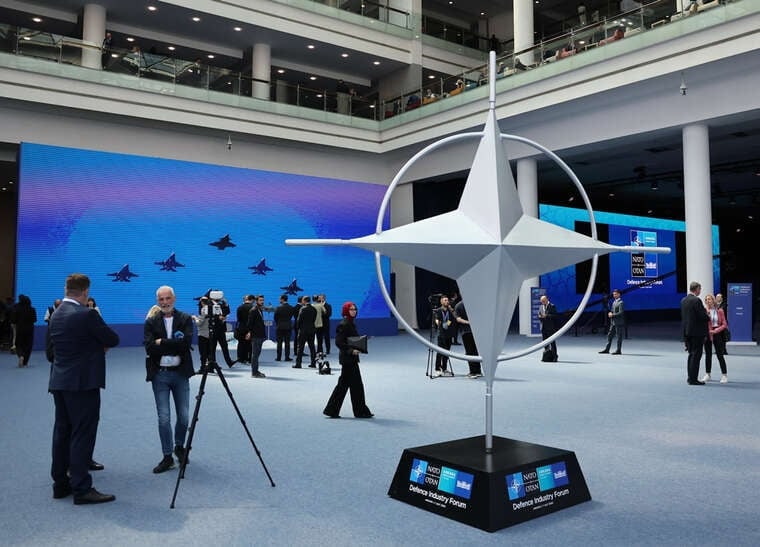
Due to disagreements over defence budgets and foreign policy challenges, NATO is cancelling the summit in Albania scheduled for 2027.
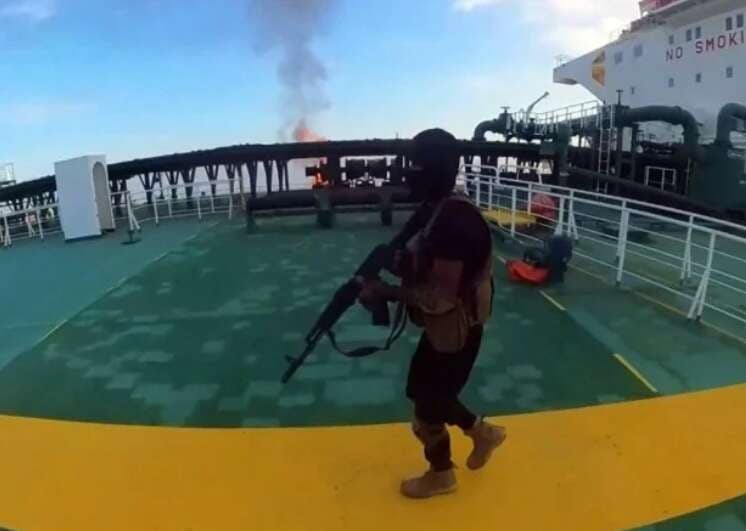
The Southern Armed Forces announced the regrouping of fighters in the As-Sukya area to strengthen the defence of the capital and adjacent provinces.
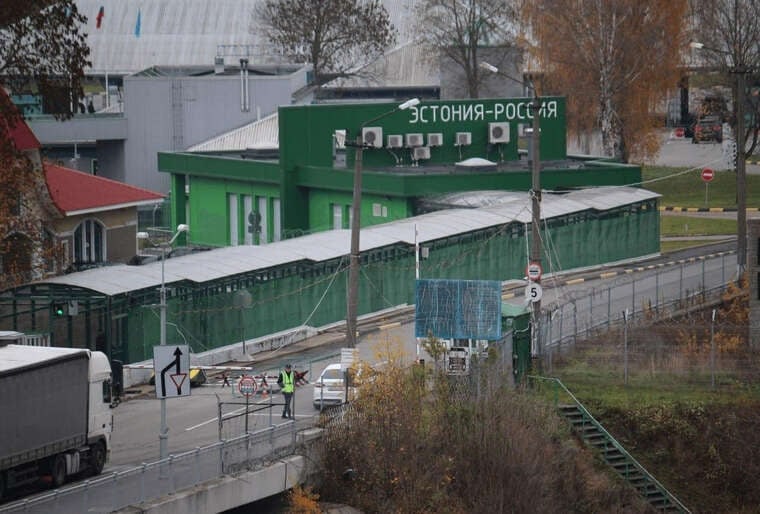
Tallinn is moving towards a complete halt to border crossings with Russia following a sabotage attack on a drone manufacturer, which Estonia believes may have been carried out by the GRU.

Unexpected power cuts stopped pumps on the Dnipro – Western Donbas canal, causing water supply interruptions in certain districts of the region.

For the fifth day in a row, Ukrainian military personnel have encountered speed restrictions on Starshield terminals. SpaceX has labelled this a technical issue, while President Volodymyr Zelensky stated that Ukraine does not believe the glitch was accidental.
The Ministry of Defence of Ukraine has officially reminded that the Russian Federation remains a party to the Geneva Conventions and is obliged to strictly adhere to their provisions. This is emphasised despite Moscow previously withdrawing its declaration recognising the International Fact-Finding Commission. Meanwhile, the Russian Federation's armed forces continue to strike civilian populations and protected objects.
One of the most significant examples of violations was the attack on the settlement of Komyshevaha in Zaporizhzhia region, which took place on 2 November 2026. Russian troops dropped aerial bombs on a humanitarian aid distribution point located in the premises of the former "Dzherelo" gymnasium. Subsequently, the same troops struck a shelter where people had taken refuge.
According to police information, as of 12 November, the bodies of at least 57 deceased individuals were recovered from the rubble. The identities of 48 of them were established. Search operations at the scene were ongoing. Among the dead were two State Emergency Service rescuers and four police officers.
The UN Human Rights Monitoring Mission in Ukraine noted that the time and place of the humanitarian aid distribution had been announced in advance. According to the mission's representatives, this strike likely violated the fundamental principles of international humanitarian law.
The Geneva Conventions for the Protection of War Victims were adopted on 12 August 1949. They provide for the protection of civilians, the wounded, the sick, and prisoners of war. The Additional Protocols of 1977 clarified the rules for the protection of the civilian population, objects, and civil defence organisations.
The USSR signed the conventions on 12 December 1949 and ratified them on 10 May 1954. Additional Protocol I was signed on 12 December 1977 and ratified on 29 September 1989.
Russia considers itself the successor state to the USSR and remains a party to these international treaties. In 2019, the Russian Federation withdrew its declaration recognising the International Fact-Finding Commission. However, as the Defence Ministry emphasises, this does not mean withdrawal from the Geneva Conventions or Additional Protocol I. The Russian Foreign Ministry also stated that the withdrawal of the declaration does not affect the country's participation in the protocol.
Among Russia's key obligations are to respect the conventions and ensure their observance, to allow the International Committee of the Red Cross access to prisoners of war, not to deport civilians, and to search for and prosecute individuals who have committed crimes.
The norms of international humanitarian law apply during an international armed conflict regardless of how one of the parties names it. Therefore, Russia's use of the term "special military operation" does not change its legal obligations.
The Ministry of Defence cites six examples of Russian strikes between 2 and 10 November which, according to the ministry's assessment, violate the norms of international humanitarian law.
Comments
No comments yet. Be the first!