
UN Security Council approves creation of international contingent to combat banditry in Haiti
The UN Security Council has decided to form a 5,500-strong force to suppress the wave of violence in Haiti over the next year.
The UN Security Council has decided to form a 5,500-strong force to suppress the wave of violence in Haiti over the next year.

Washington special envoys Steve Witkoff and Jared Kushner will hold consultations with European and Ukrainian partners on 19 November regarding the prevention of new Russian attacks.

Turkish Foreign Minister explained that the conflict is not ending due to Moscow's insistence on gaining control over the remaining 11-18% of the region.

Over the past 24 hours, the enemy lost 1,620 personnel and over 500 units of motor vehicle equipment. The total number of Russian soldiers destroyed since the start of the invasion is approaching 1.63 million.

Following a Russian military missile strike in the night leading into 17 November, traffic was temporarily suspended on the Northern and Southern bridges in the capital.

Russian forces shelled Mykolaiv and the region with "Banderol" missiles and UAVs yesterday, resulting in the deaths of two men and injuries to three others.
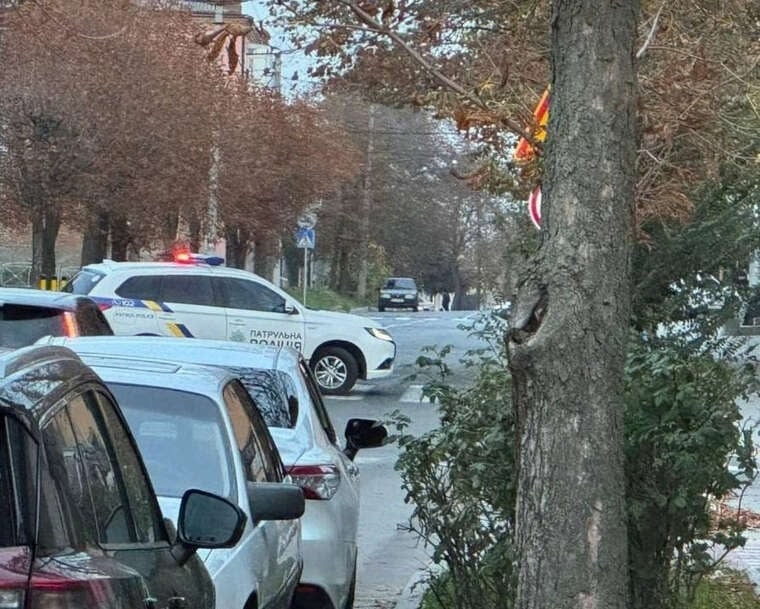
Explosions were heard overnight in the Russian city of Kursk, leading to a fire at a 330 kV electrical substation.

Kyiv City Military Administration reported damage to residential and non-residential facilities following a strike by the Russian Federation.
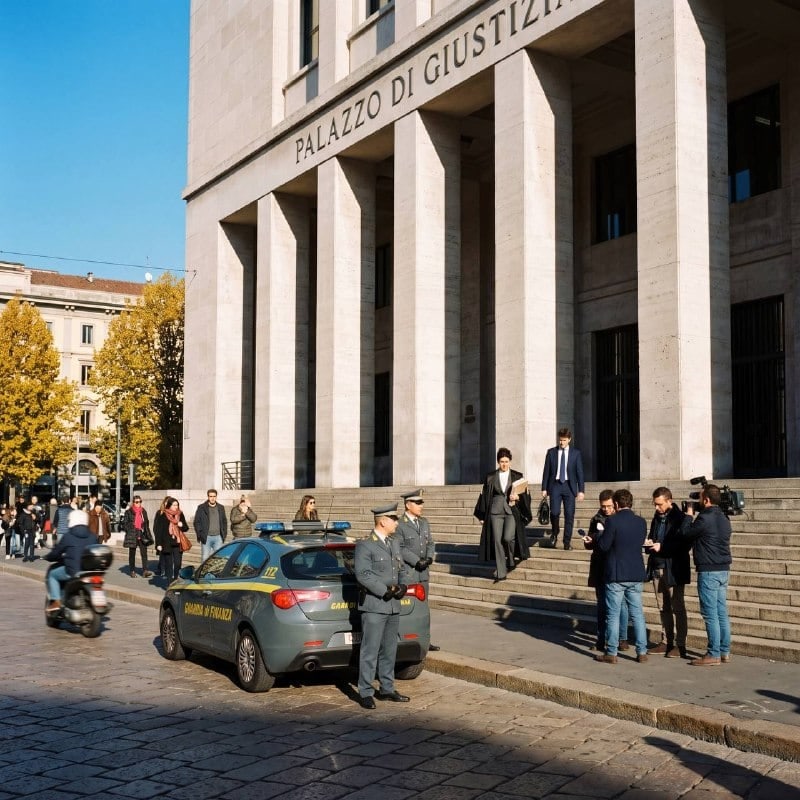
On 16 November, the preventive measures division of the Milan court, acting on a request from prosecutor Paolo Storaro, ruled to implement judicial administration for the Italian branch of Revolut Bank UAB. This Lithuanian entity of the group provides banking services within Italy. The measure is valid for one year. The court noted the presence of "serious deficiencies" in the mechanisms for combating money laundering. According to the Milan prosecutor's office, the total volume of capital moved, concealed, or withdrawn through these actions reaches 76.5 million euros.
It emerged that 24 suspects and convicted individuals, including those involved in cases with mafia-related aggravating circumstances, processed 41.9 million euros through Revolut accounts. Other banking institutions sent 265 reports on suspicious operations regarding these clients. Meanwhile, Revolut did not send a single such notification.
The court appointed two administrators: lawyer Ilaria Ramoni and consultant Piero Antonio Capitanio. A strict schedule for task completion has been established for them. An internal liaison officer must be appointed within five days. A preliminary report from the administrators is expected within 30 days. An action plan must be developed within 60 days, and a full assessment of controls within 90 days. A 15-point remediation plan is also provided, the implementation of which will be monitored throughout the year. The next court hearing is scheduled for 25 February 2027.
This is not the first time regulators have focused on the bank's activities. In 2024, the Guardia di Finanza conducted an audit of Revolut's crypto unit. According to law enforcement data, over one million violations in customer due diligence and data retention procedures were found, as well as 60 instances where the bank failed to report suspicious operations. In April of the same year, Italy's antitrust authority fined Revolut 11.5 million euros.
It is important to note that no criminal investigation was opened against Revolut itself; the measure taken is preventive in nature. Customer service is operating normally. Company representatives stated that they "take regulatory obligations and controls extremely seriously" and will fully cooperate with the authorities. In Italy, Revolut serves over 5 million clients, making it the fifth-largest bank in the country by number of users.
For Ukrainians living in Europe who have massively opened accounts with Revolut, this situation has practical significance. When a regulator determines that a bank has allowed "dirty money" to pass through, the financial institution begins enhanced scrutiny of all clients. This can lead to requests regarding the source of funds, blocking of transfers, or closure of accounts without detailed explanations. Honest clients often face restrictions first due to the actions of others. Therefore, it is recommended to have documents confirming the legal origin of funds ready in case of a bank inquiry.
The convenience of neobank services ends on the day the regulator begins to analyse who exactly passed through its system.
Comments
No comments yet. Be the first!