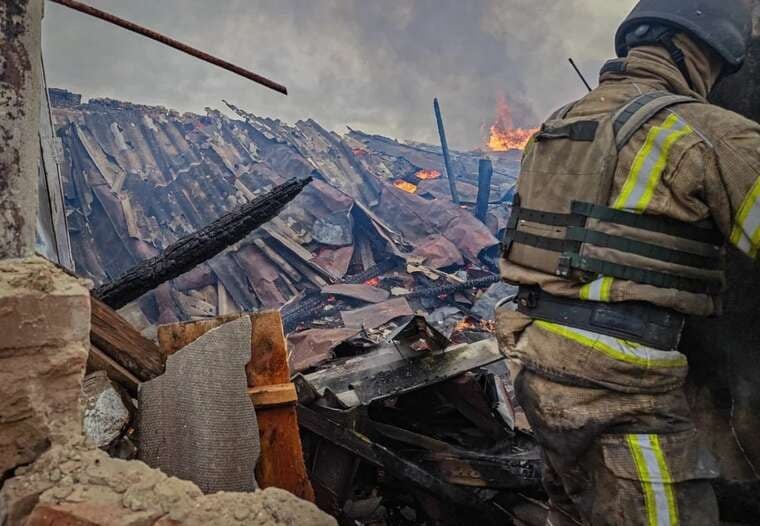
Three people injured in Russian drone strikes in Sumy region
The Russian army struck Sumy, Okhtyrka and Shostka districts with drones. Rescue services extinguished fires in buildings and vehicles.
The Russian army struck Sumy, Okhtyrka and Shostka districts with drones. Rescue services extinguished fires in buildings and vehicles.

The volunteer, who evacuated people under fire and was one of the heroes of a documentary film, was killed while carrying out a combat mission.

Polish Prime Minister Donald Tusk reacted sarcastically to the detention of Viktor Orbán's brother and the discovery of large sums of cash in hidden stashes during searches.
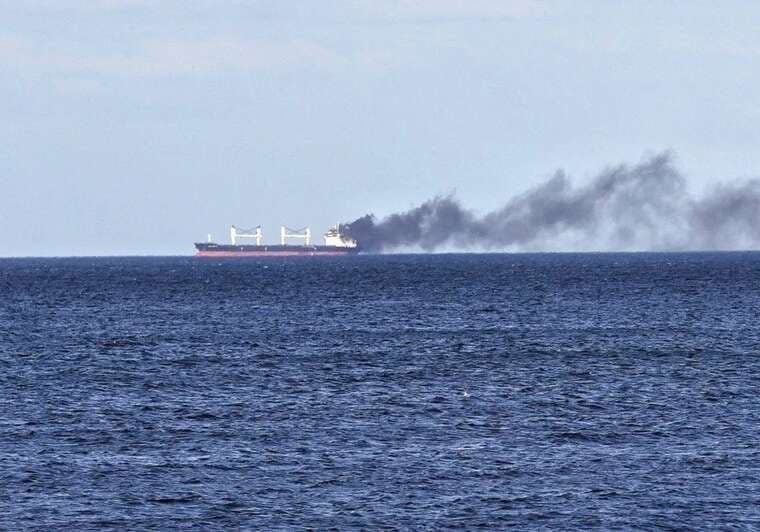
On Friday evening, a drone attacked the vessel Larissa 1 near Sfântu Gheorghe. The Romanian Defence Minister confirmed the incident; the investigation is ongoing.
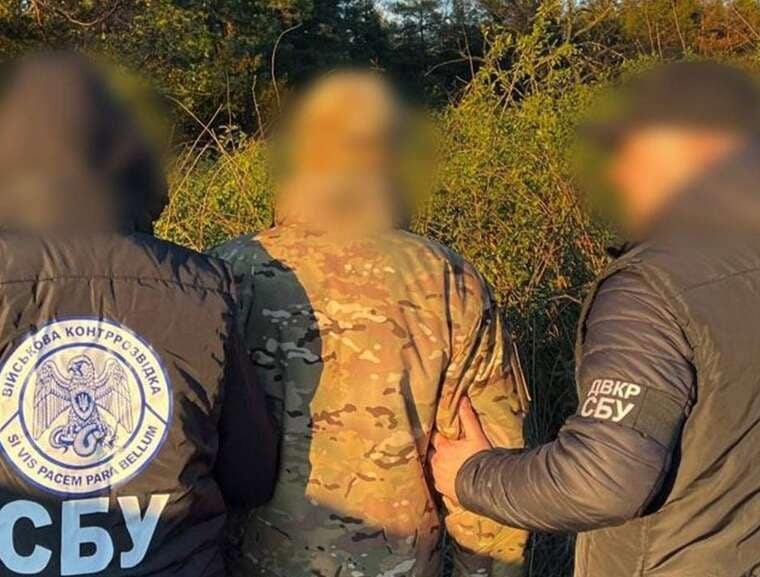
The SBU's military counterintelligence unit caught a senior officer receiving an improper benefit from subordinates for processing documents for rewards for destroying enemy equipment.
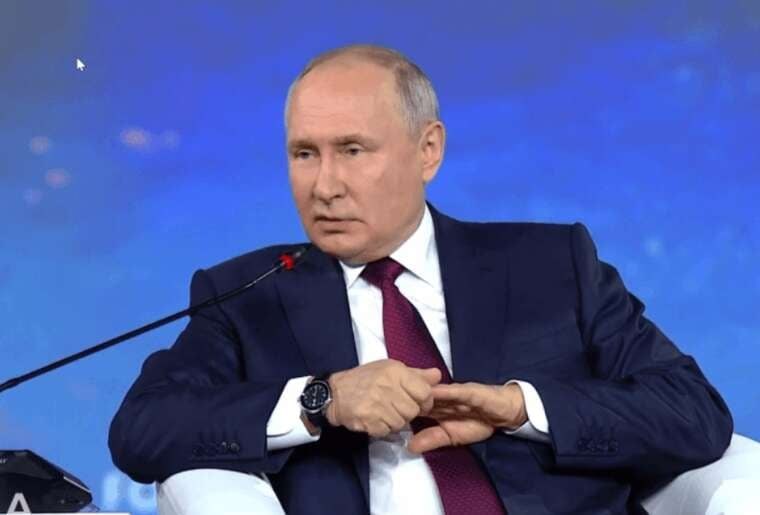
The Russian side insists that London renounce the use of its nuclear potential to protect other European states. This demand is part of the list of conditions for ending the war.
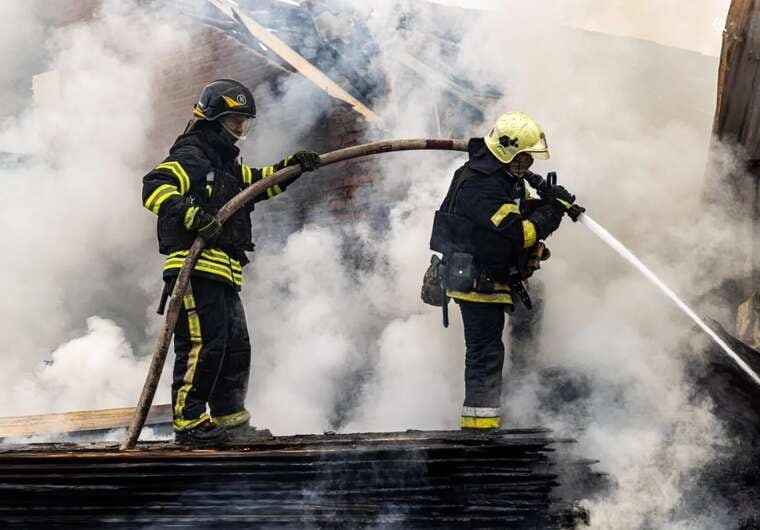
Russia attacked a critical infrastructure facility in Mena. Authorities report casualties and one injured.

The AI-generated influencer Kai Bradley has amassed a massive audience on Instagram and monetises it through the sale of an e-book, even though the character does not exist in reality.

Specialised training has begun at several Polish civilian medical facilities, aimed at teaching staff how to handle a large number of wounded simultaneously. These exercises simulate conditions typical of wartime. The programme is initiated by specialists from the organisation Doctors Without Borders, who have direct experience working in conflict zones, including the Gaza Strip, Afghanistan, Sudan, and Ukraine.
The programme was launched against the backdrop of the ongoing war in Ukraine, which has forced Polish society to reconsider its approach to assessing potential crisis situations. Together with local partners, Doctors Without Borders has already implemented training modules in hospitals in Łódź, Suwałki, and Ełk.
During the training, various emergency scenarios are examined. These include a missile falling in a densely populated area and a mass influx of refugees from the Baltic states.
“We can work on different scenarios. One of them could be a mass influx of refugees from the Baltic states. But it could also be a crazy missile that falls somewhere in a crowded place in Poland,” notes the training coordinator, Wojciech Asztabski.
He emphasises the urgency of preparation: “Such things could happen even tomorrow. So it is better to start preparing as early as possible”.
The goal of the project is to transfer experience in functioning under extreme conditions to Polish medical institutions. “We want to share with Polish hospitals the experience of working in extraordinary circumstances — for example, when many wounded arrive at once, the entire system is under pressure, and there is a shortage of resources and specialists,” explains Asztabski.
One of the training scenarios involves a drone attack on a nightclub. After two powerful explosions, several dozen people are injured. The work of rescuers is complicated by power outages and damage to the building’s structures, which threatens its collapse. The injured are delivered to the clinical hospital both by ambulance and in private vehicles. The medical facility staff must accept a large group of patients in the shortest possible time.
Participants in the training practise these situations through simulations. They are taught to plan work processes during a mass influx of wounded, provide emergency care, and organise treatment in conditions of resource, personnel, and equipment shortages. A separate module is dedicated to the Ukrainian experience: how to set up an underground hospital during a war.
It is planned to involve staff from the Chief Sanitary Inspection and certain departments of sanitary-epidemiological stations in the training as well. In their case, the focus will be on methods for increasing the resilience of society and institutions to potential crisis situations.
Comments
No comments yet. Be the first!