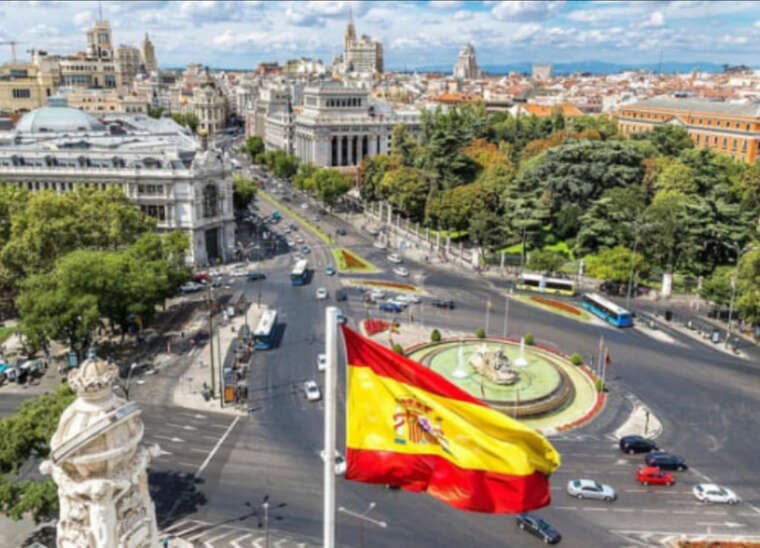
Right-wing and far-right forces win 184 seats in Spain's Congress
Preliminary data show the People's Party and Vox together secure 184 seats, exceeding the absolute majority threshold, while Sanchez's socialists trail in the count.
Preliminary data show the People's Party and Vox together secure 184 seats, exceeding the absolute majority threshold, while Sanchez's socialists trail in the count.
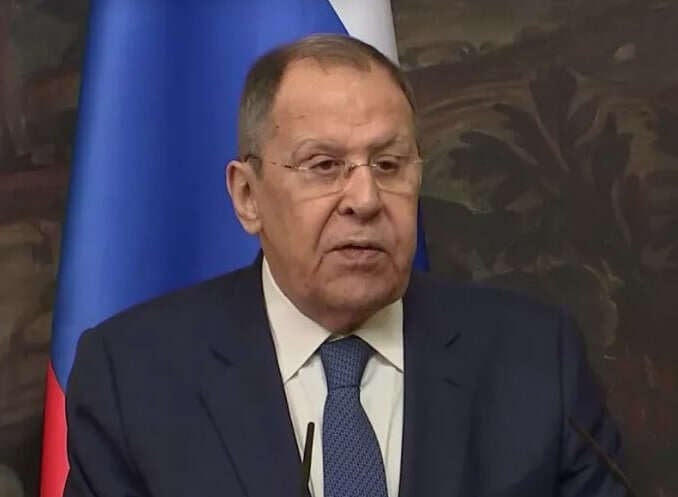
Russian Foreign Minister Sergey Lavrov stated that Moscow will not halt hostilities during negotiations until the issues it considers its demands are resolved.
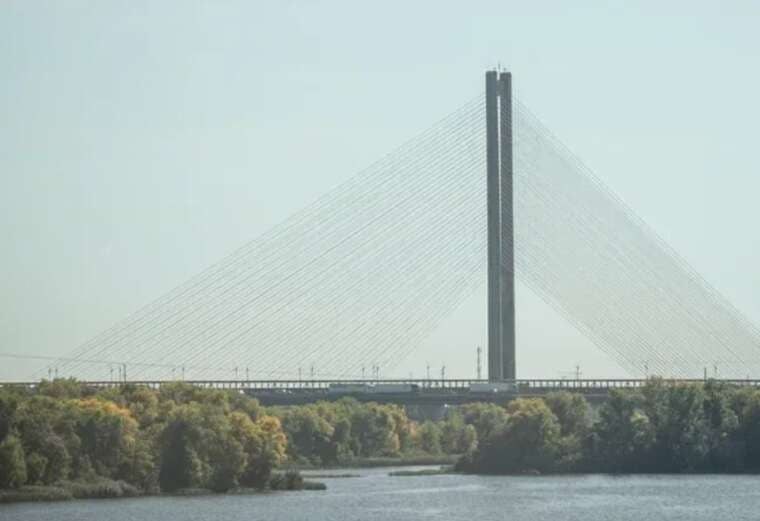
The regional military administration reported the death of an apartment block resident following an enemy strike.

A fatal traffic accident occurred in the Desniansky district of the capital: a pedestrian crossing the avenue was hit by a car and died at the scene.
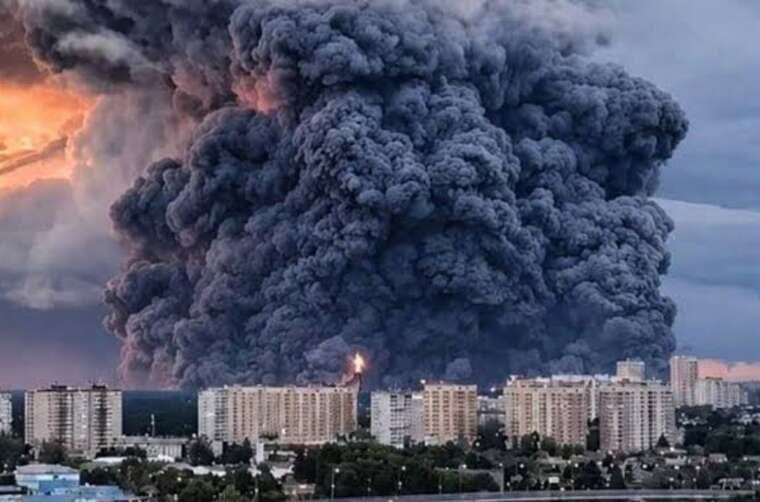
Russian media report damage to an oil processing facility in Tatarstan and a large fire at the production facilities of Elektrotiazhmash-Privod in Perm Krai.
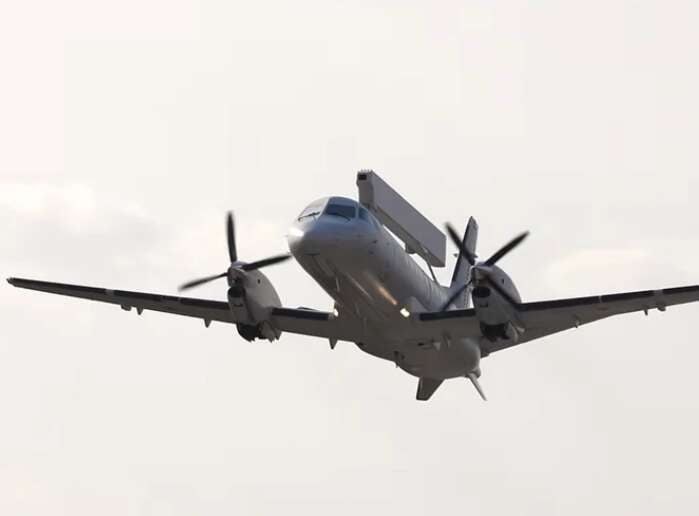
Commander of the Air Force Radio Technical Forces Ruslan Hrynchak showed how the Swedish long-range radar detection aircraft operates in Ukraine to track aerial targets.
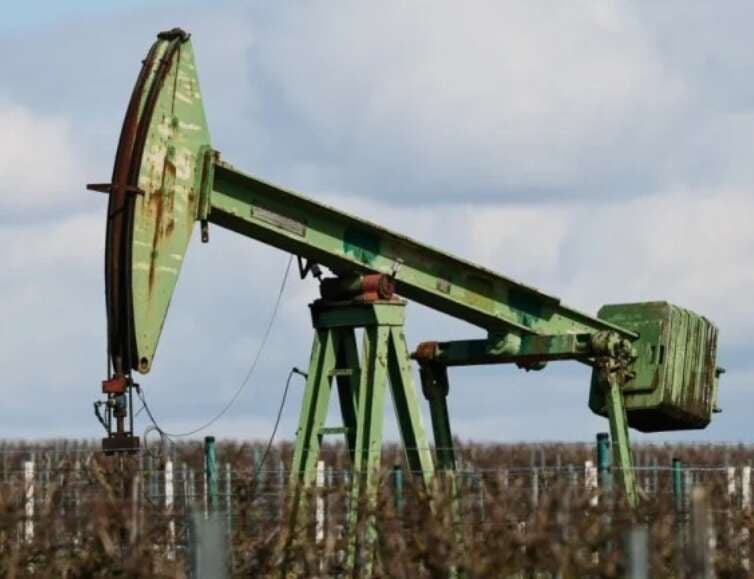
The alliance has deferred the setting of new 2027 baseline production levels, maintaining current rates until June. The decision was made due to oversupply risks and the prolonged conflict in Iran.
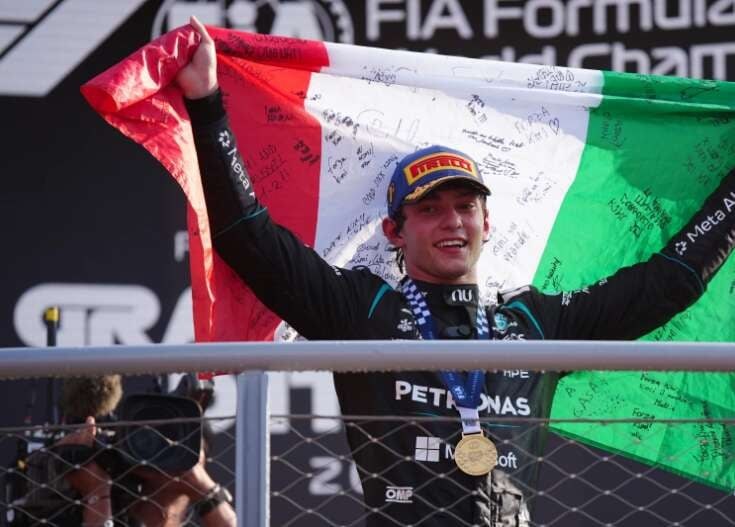
Mercedes driver Andrea Kimi Antonelli won the 22nd stage of the 2026 Formula 1 season. His teammate George Russell finished second, while Oscar Piastri took third.
The Minister of Foreign Affairs of the Russian Federation, Sergey Lavrov, published an article in the newspaper Vedomosti, in which he detailed Moscow's position on possible peace negotiations. The diplomat's main thesis is that Russia will not agree to a ceasefire until the issues it considers its demands are resolved.
Lavrov noted that European countries are insisting on their participation in the negotiation process regarding Ukraine. However, in the opinion of the Russian minister, before "jumping into the last carriage of a departing train", Europeans need to clearly define their position and explain what specific goals they are trying to achieve.
At the same time, the head of the Russian Foreign Ministry stated that the Kremlin is ready to receive representatives of European states for preliminary consultations. According to Lavrov, such dialogue should be aimed at "a durable settlement of the Ukrainian situation by eliminating the root causes of the crisis".
In the article, the minister listed the issues that Russia considers necessary for discussion. These include:
Lavrov emphasised that without resolving these issues, Russia will not agree to a ceasefire. He added that, "having learned from bitter experience", the Russian side will not make a pause in the "special military operation" during negotiations in any format.
The Russian Foreign Minister claims that a ceasefire, which EU and NATO countries are insisting on, will give Ukraine the opportunity to replenish its depleted military arsenals. Lavrov also accused the United Kingdom and the European Union of attempting to turn Ukraine into an "anti-Russian bridgehead", as well as of derailing previous negotiations, starting with the Minsk agreements and ending with the Istanbul talks.
According to Lavrov, European countries continue to raise the stakes in the war and militarise their states, predicting a possible armed conflict with Russia within the next 3–5 years.
At the end of the publication, the minister effectively threatened a harsh response in the event of a direct clash between Russia and Europe. "Putin has repeatedly emphasised: we are not threatening anyone, we are not going to attack anyone. But we will respond to direct aggression. And then the war will be different — very short," Sergey Lavrov stressed.
Comments
No comments yet. Be the first!