Israel has not held talks with EU foreign policy chief Kaja Kallas since June
Tel Aviv has suspended direct contacts with the EU's high representative for foreign affairs following a conflict over her statements.
Tel Aviv has suspended direct contacts with the EU's high representative for foreign affairs following a conflict over her statements.
The MP reported that the Cabinet of Ministers is planning a system that will allow enterprises to hand over staff for mobilisation directly from their workplace.
Brussels is preparing restrictions for Russian citizens who participated in combat operations against Ukraine, as well as sanctions against banks, tankers and defence enterprises.
The President of Finland denied reports of Moscow's demands regarding the country's membership in the Alliance and confirmed Helsinki's commitment to its allied obligations.
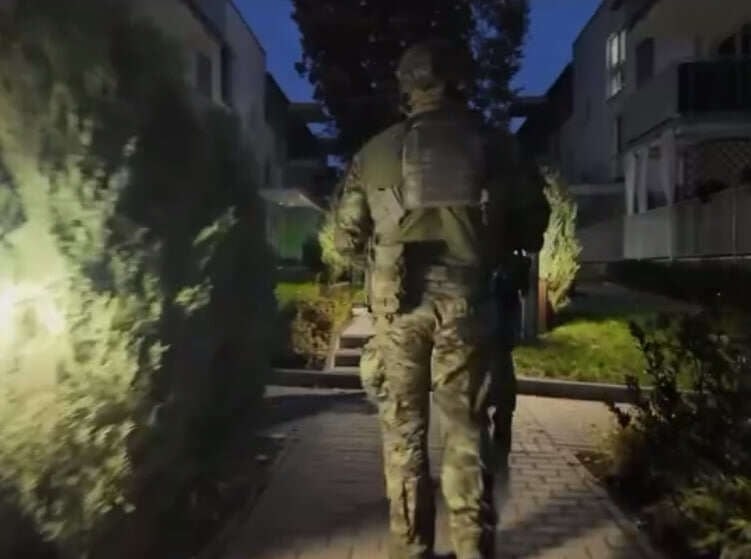
Polish border guards uncovered a network that issued forged financial guarantees for temporary residence permits over three years. Suspects include citizens of Ukraine, Belarus, Georgia and Germany.
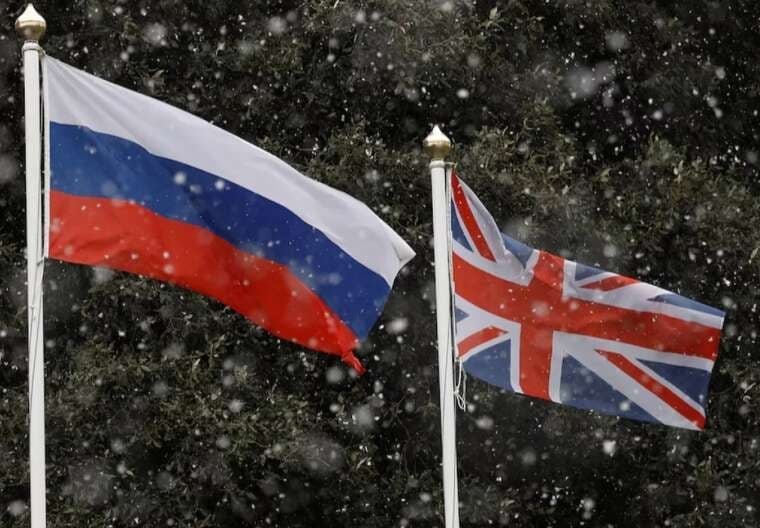
Moscow has put forward a condition for reducing its military presence in the Kaliningrad region and Belarus. This is to take place if the North Atlantic Alliance withdraws its forces from states that joined the bloc after 1997.
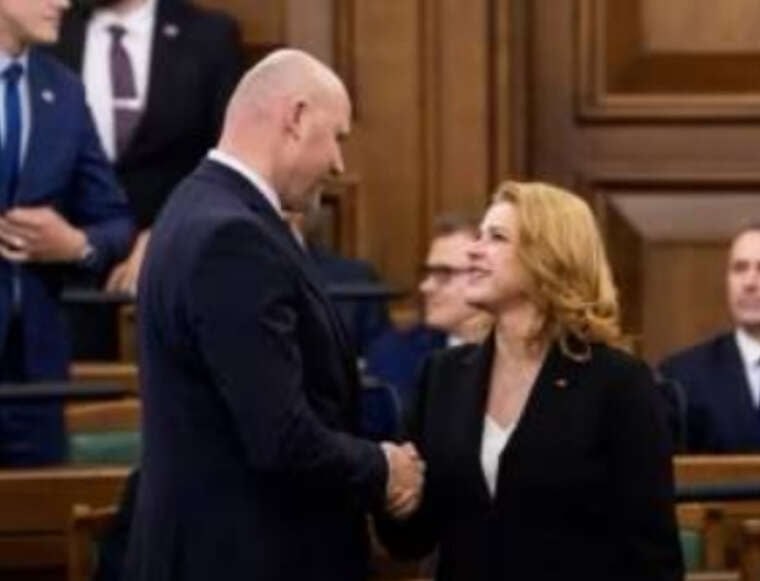
New coalition in Latvia received a vote of confidence despite opposition from some MPs. Key portfolios entrusted to professionals without party affiliation.
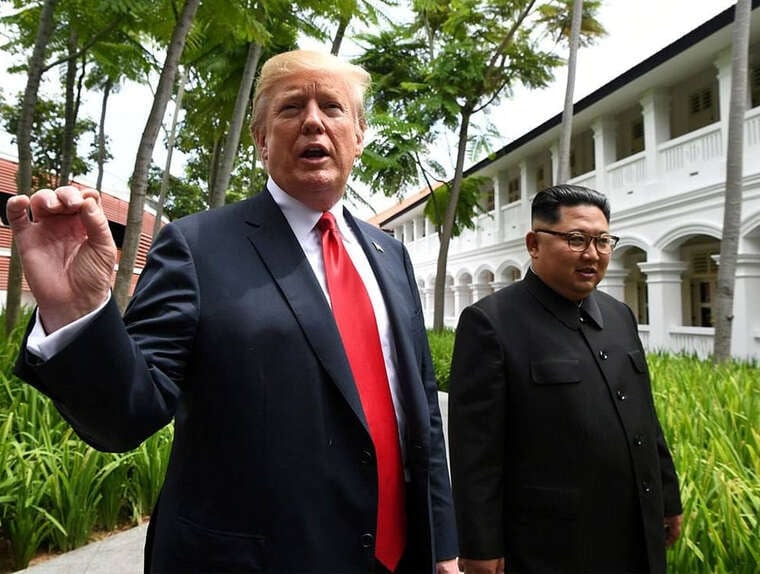
Throughout 2025, the US administration made several attempts to deliver letters to Kim Jong Un, but North Korean diplomats refused to accept them.
The Latvian parliament has officially approved the new composition of the government led by Prime Minister Andris Kūlbergs. The coalition that formed the cabinet controls 51 of the 100 seats in parliament. During the vote on granting confidence to the government, 57 MPs voted in favour, while 34 voted against. The decisive vote was made possible by support from representatives of the opposition party "Latvia First", who provided the necessary number of votes.
The new government was formed with the participation of two main political forces. The "United List" party received six ministerial positions, while the "National Alliance" received three. In particular, Jānis Dombrava retained his position as head of the Ministry of the Interior. It is worth noting that Prime Minister Andris Kūlbergs himself is also not a member of the party that nominated him.
A distinctive feature of the new cabinet is that five ministers have no party affiliation. They include:
Andris Kūlbergs stated that he plans to form a "government of professionals" and to involve specialists regardless of their party affiliation. Among the main priorities of the new cabinet of ministers are:
Comments
No comments yet. Be the first!