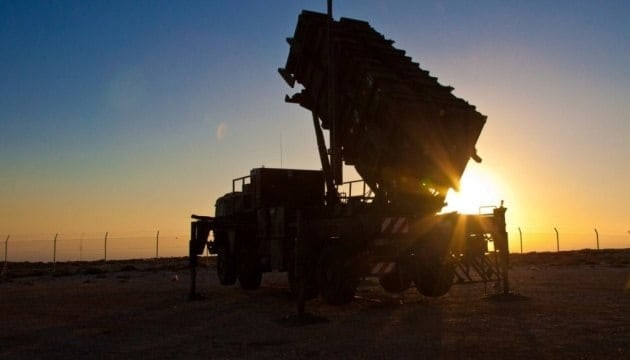
Berlin to allocate $300m for Patriot interceptors to protect Ukraine
Germany and Norway are financing the purchase of American missiles for Ukraine's Armed Forces under the PURL initiative.
Germany and Norway are financing the purchase of American missiles for Ukraine's Armed Forces under the PURL initiative.
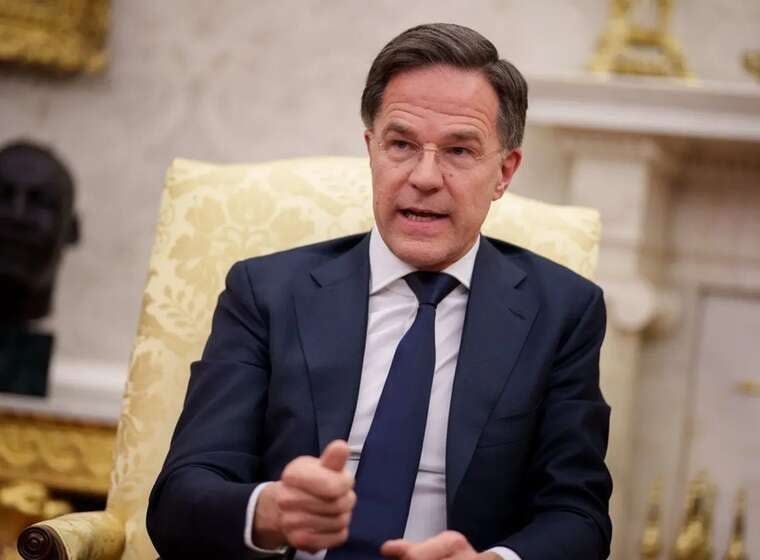
NATO Secretary General stated that Kyiv has the full right to self-defence, including strikes on Russian logistics hubs, and noted the visible results of the attack.
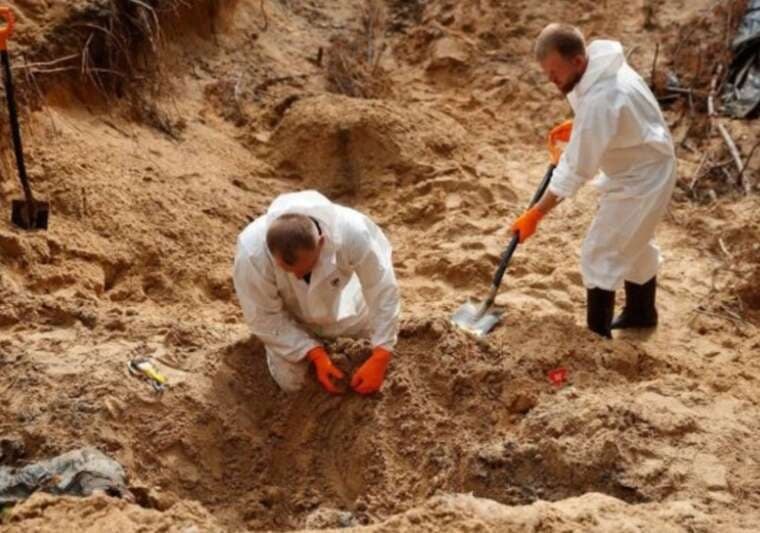
Representative of the occupation administration stated that a working group recovered the remains of 1,633 deceased, despite some potentially dying from natural causes due to lack of access to emergency medical care.
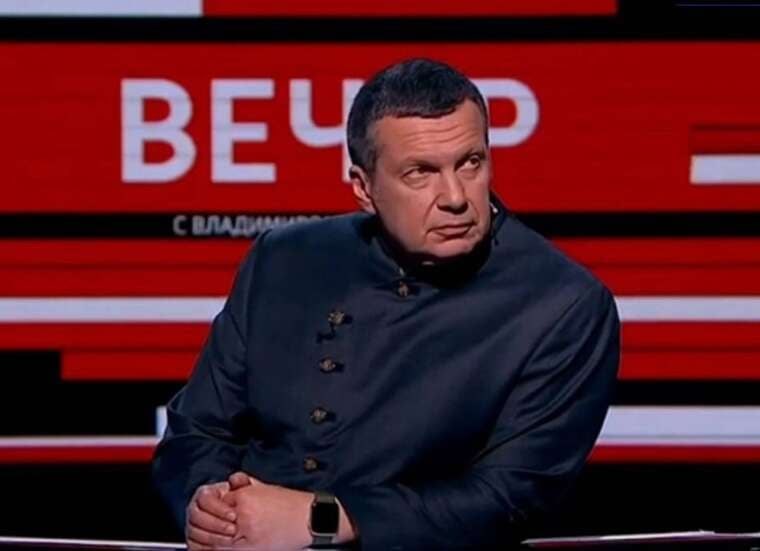
Kremlin propagandist Vladimir Solovyov accused North Atlantic Alliance countries of violating long-standing restrictions and stated that Russia had suffered a direct attack.
Most liable persons in Ukraine can extend their deferment without personally visiting the TCC or resubmitting documents. The automatic renewal mechanism applies to 22 categories of citizens.

Movement of an unmanned aerial vehicle has been recorded in Chisinau. As a result, the airspace over the city has been closed.
Police detained 21- and 23-year-old men who beat a 67-year-old acquaintance in Uzyn, stole valuables, and inflicted bodily harm with a knife.
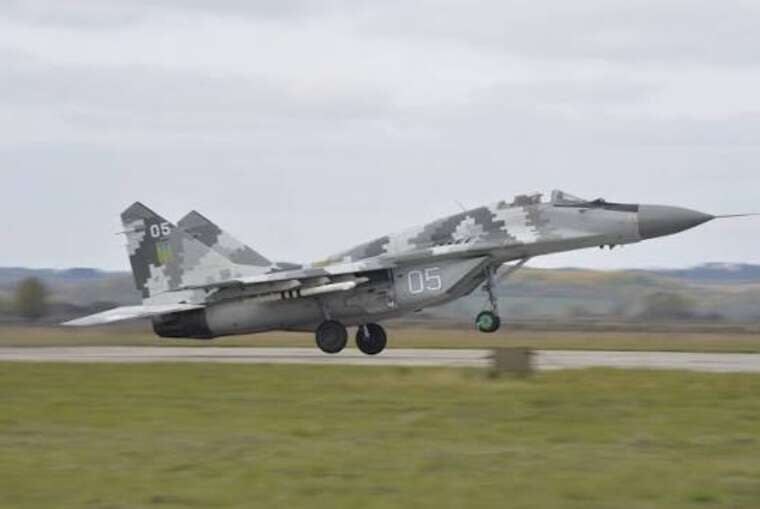
A Serbian military fighter jet crashed in a field between Nova and Stara Pazova. Emergency services are operating at the scene, with no official data on the causes available.
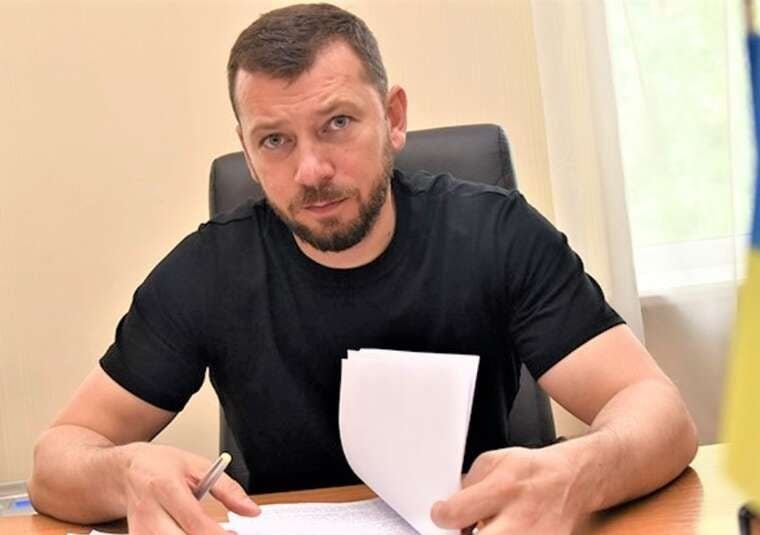
Oleksandr Klymenko, who heads the Specialised Anti-Corruption Prosecutor's Office, spoke about the obstacles that arise during investigations where the Prosecutor General or members of their family may be involved. He made this statement while speaking at the "Resilience in Action: People, Rights, State" forum.
According to the SAP head, in certain cases, anti-corruption bodies are forced to address the Prosecutor General. This creates a direct conflict of interest and significantly complicates the work of investigative units.
As a specific example, Klymenko cited the situation involving former Prosecutor General Ruslan Kravchenko, who is currently in Austria. To investigate a case where the Prosecutor General or their relatives may be involved, it was necessary to establish a joint investigation group with Austrian colleagues.
However, under the current procedure, such a process can only be initiated through the head of the Prosecutor General's Office. A similar problem arises when sending requests for the extradition of individuals who have family ties with the Prosecutor General. The SAP head noted that anti-corruption bodies are seeking the ability to submit such requests independently, limiting this to exceptional cases to eliminate conflicts of interest.
Oleksandr Klymenko also drew attention to the obstacles preventing parliament from adopting a strategy in the field of the rule of law for 2026–2030. The key problematic point is the provision that allows the SAP to initiate investigations into Members of Parliament without prior coordination with the Prosecutor General.
The SAP head emphasised that a similar provision has already been enshrined in the first cluster of the negotiation process with the European Union in Section 20. If this point is not included in the state strategy, Ukraine will effectively fail to declare its intention to meet the relevant requirements by 2030.
At the same time, Klymenko stressed that most of the proposed changes concern technical issues. Their aim is to eliminate conflicts of interest, not to grant anti-corruption bodies extraordinary powers.
Separately, the SAP head touched on the issue of conducting expert examinations to establish damages. According to him, European partners insist on accelerating these processes so that they do not last for years. This is important for protecting investments that partners plan to direct to Ukraine during the post-war reconstruction.
Oleksandr Klymenko expressed hope that after a detailed explanation of these aspects, parliament will support the relevant provisions and be able to vote for them in the near future.
Comments
No comments yet. Be the first!