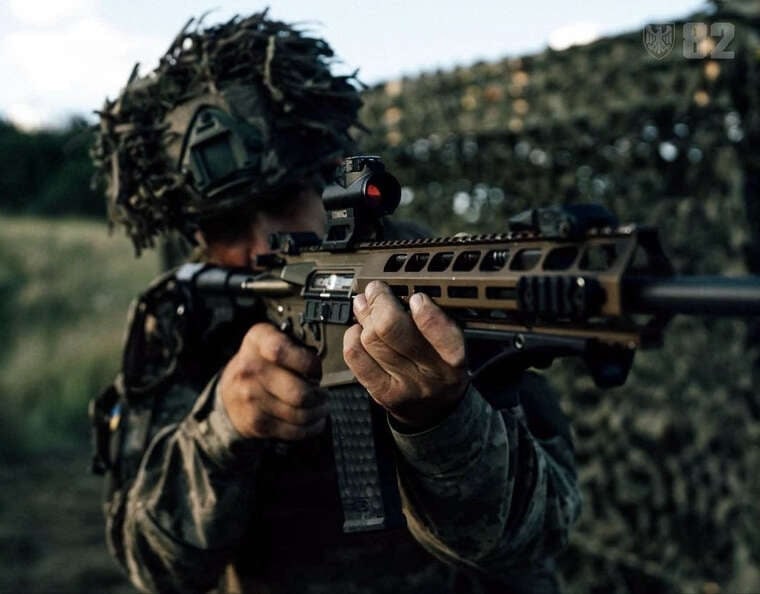
DeepState records Russian military advance near Orikhiv
The DeepState analytical project published updated data indicating an advance by the Russian Armed Forces in the Orikhiv area of Zaporizhzhia.
The DeepState analytical project published updated data indicating an advance by the Russian Armed Forces in the Orikhiv area of Zaporizhzhia.
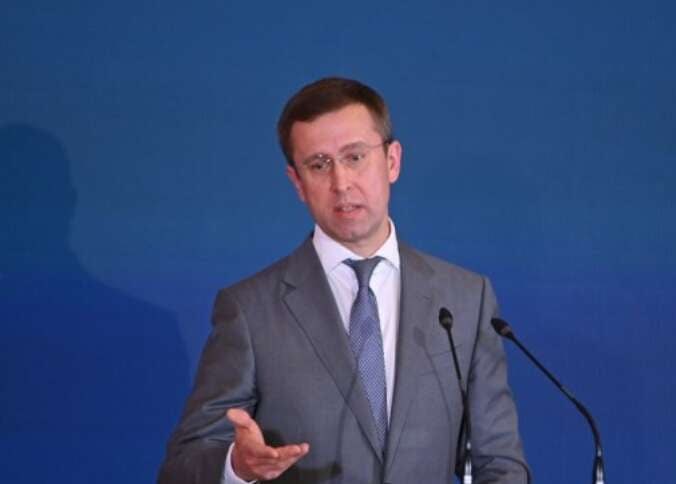
Prime Minister Serhiy Koretsky announced that the revised draft State Budget for 2027 allocates a record 43% of GDP to security and defence, while leaving EUR 70 billion in unfunded financial needs.

Rescuers found the bodies of eight people on a boat carrying around 100 passengers. Six others were hospitalised in critical condition.
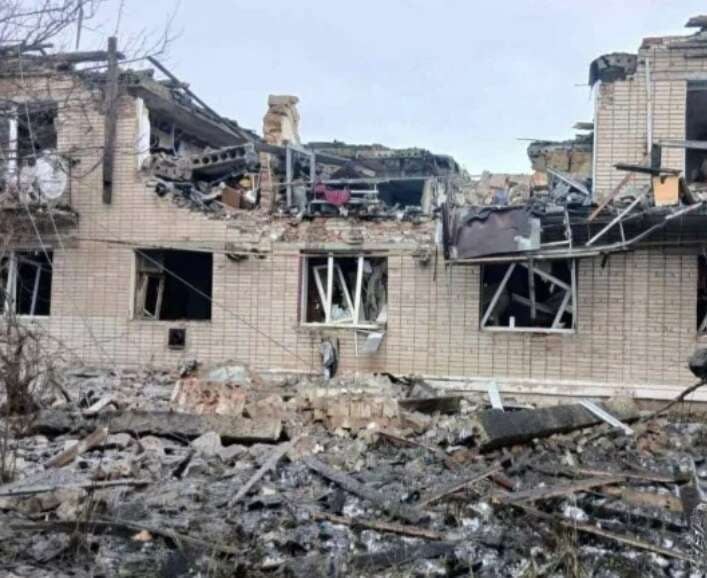
Head of Kharkiv Regional Military Administration Oleh Syniehubov reported damage to residential buildings, a school and a playground following Russian strikes on the village.

Power supply halted in two districts of Kyiv Oblast due to infrastructure damage from Russian attack.

On the eve of the 93rd anniversary of the Holodomor, representatives of the Christian Corps call on believers of various denominations to unite in prayer and light candles of remembrance at 16:00.

The ministry clarified the procedure for documenting defence contracts and grants to obtain the status of enterprises vital to the economy.
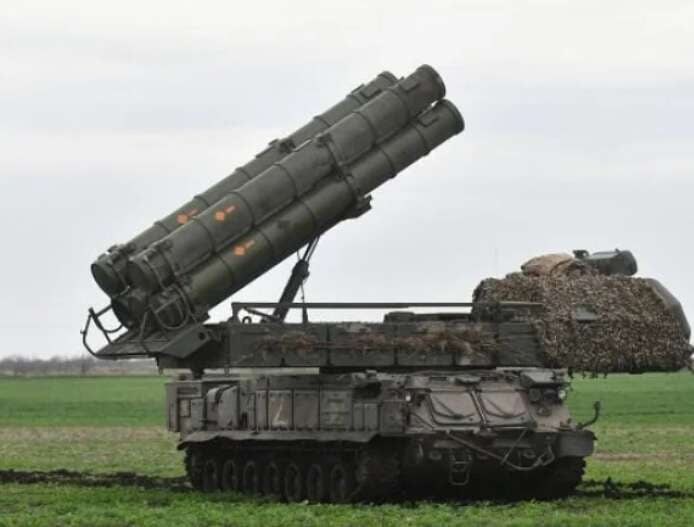
Ukrainian forces struck a Russian air defence system, command posts and warehouses in Zaporizhzhia, Donetsk and Luhansk regions.
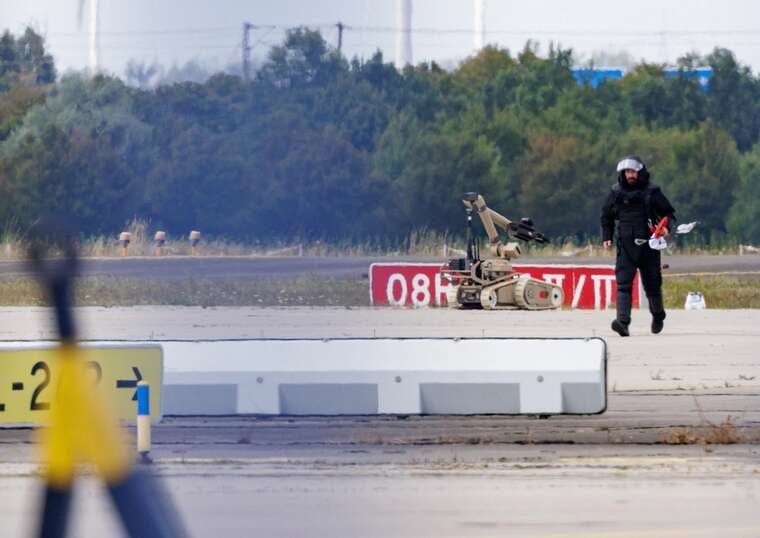
According to the International Institute for Strategic Studies (IISS), the number of Russian sabotage incidents in Europe increased by 16% in the period ending in September 2026. The think tank also recorded a qualitative shift in the tactics of the perpetrators: an increasing number of saboteurs are demonstrating higher levels of expertise and employing more complex schemes for the use of explosive devices.
The report notes that while the majority of operations are still carried out by unskilled novices, a group of semi-skilled perpetrators has emerged. These individuals are already using more complex methods, including improvised explosive devices equipped with timers and remote detonators.
IISS experts emphasise the limited effectiveness of law enforcement measures against the organisers of such acts. As stated in the document: “Арешти усувають посередників, але навряд чи зможуть стримати російські розвідувальні служби, які ними керують” (Arrests remove intermediaries, but are unlikely to deter the Russian intelligence services that control them).
Germany and Poland continue to be the states targeted by the highest number of attacks. This is due to the critical importance of their transport, logistics, and industrial networks for ensuring supplies to Ukraine.
Statistics for the period from October 2025 to September 2026 show that attacks on critical infrastructure, particularly military-industrial complex facilities and transport systems, accounted for more than half of all registered incidents.
Comments
No comments yet. Be the first!