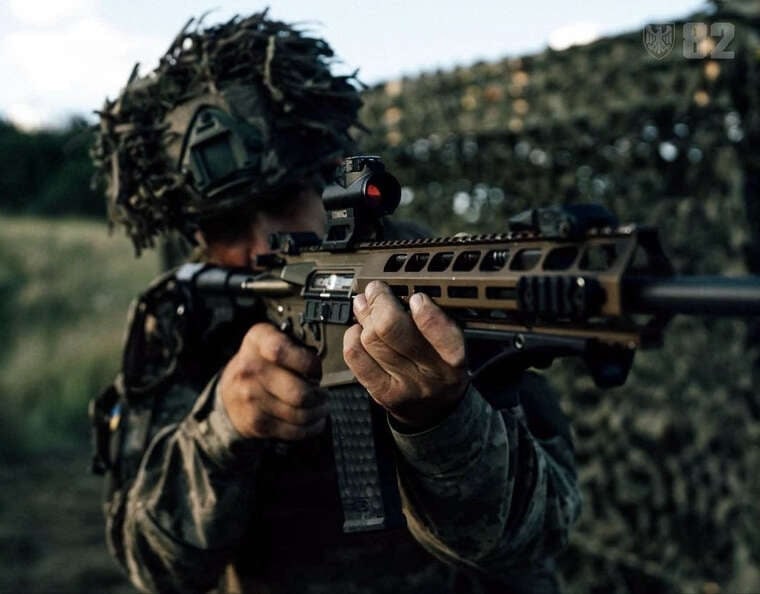
DeepState records Russian military advance near Orikhiv
The DeepState analytical project published updated data indicating an advance by the Russian Armed Forces in the Orikhiv area of Zaporizhzhia.
The DeepState analytical project published updated data indicating an advance by the Russian Armed Forces in the Orikhiv area of Zaporizhzhia.

Prime Minister Serhiy Koretsky announced that the revised draft State Budget for 2027 allocates a record 43% of GDP to security and defence, while leaving EUR 70 billion in unfunded financial needs.

Rescuers found the bodies of eight people on a boat carrying around 100 passengers. Six others were hospitalised in critical condition.
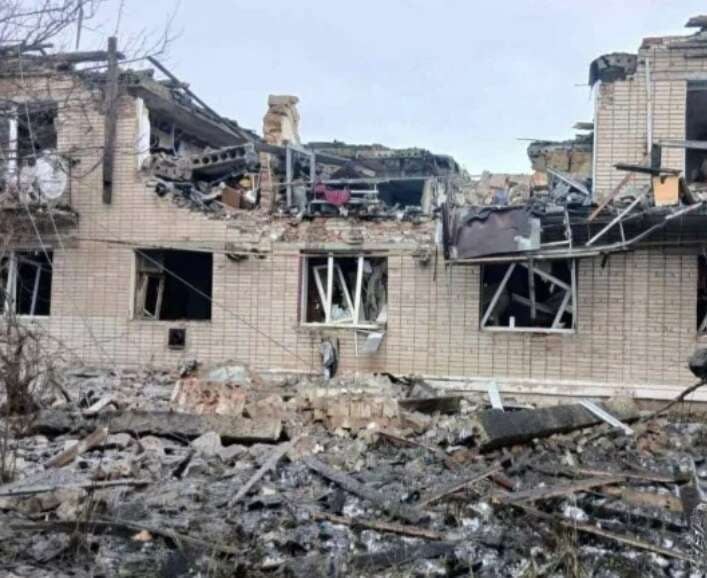
Head of Kharkiv Regional Military Administration Oleh Syniehubov reported damage to residential buildings, a school and a playground following Russian strikes on the village.

Power supply halted in two districts of Kyiv Oblast due to infrastructure damage from Russian attack.

On the eve of the 93rd anniversary of the Holodomor, representatives of the Christian Corps call on believers of various denominations to unite in prayer and light candles of remembrance at 16:00.

The ministry clarified the procedure for documenting defence contracts and grants to obtain the status of enterprises vital to the economy.
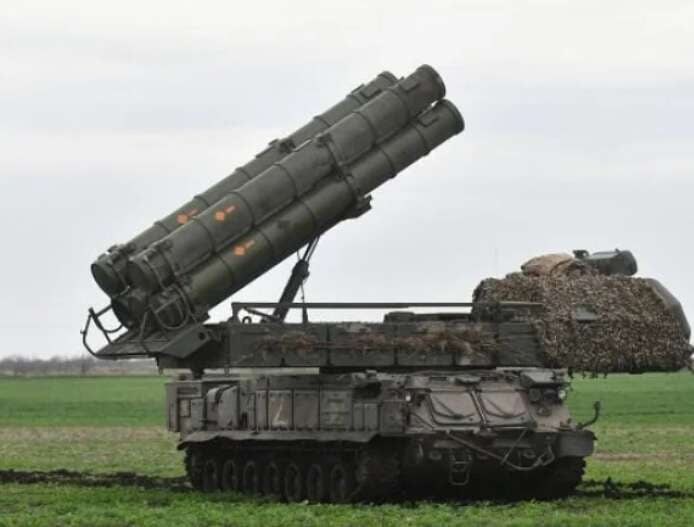
Ukrainian forces struck a Russian air defence system, command posts and warehouses in Zaporizhzhia, Donetsk and Luhansk regions.

The Belgian government has officially approved a plan to purchase ten new Remus 300 model autonomous underwater drones. This was announced by the country's defence minister, Theo Francken. €20 million will be allocated to implement this project.
The new vehicles are intended for mine countermeasures, ensuring the security of port terminals, and protecting critical underwater infrastructure. Currently, the Belgian Navy operates Remus 100 drones. However, these systems have been in service for over 20 years, leading to their gradual obsolescence.
According to Theo Francken, similar unmanned systems are already actively used by the navies of several other NATO member states. In addition, the Royal Netherlands Navy, which maintains close cooperation with the Belgian fleet, also has plans to acquire such vehicles.
The allocated €20 million will cover not only the cost of the drones themselves but also additional equipment. The contract will include two mobile containers designed for the maintenance of the vehicles and mission planning, as well as additional training for personnel.
The defence minister emphasised that the threat at sea is not limited to the water surface. Naval mines, sabotage operations, and attacks on underwater objects pose a serious threat to both the economy and the overall security of the country. The new underwater drones will allow the fleet to detect potential hazards faster, minimising risks to personnel.
Comments
No comments yet. Be the first!