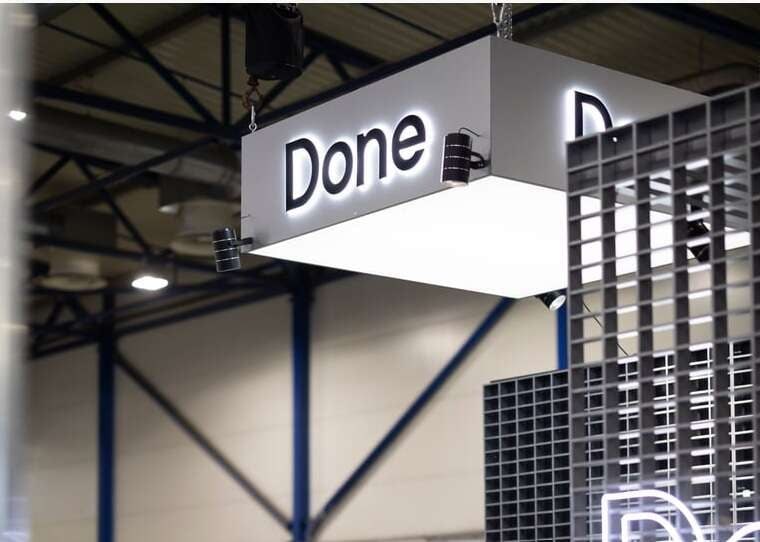
Done's Schemes: How Ukrainian Hryvnia Turns into Swiss Francs via Importers
Investigation reveals a network of companies where funds are collected in Ukraine, converted into foreign currency, and transferred to Swiss Done Switzerland AG.
Investigation reveals a network of companies where funds are collected in Ukraine, converted into foreign currency, and transferred to Swiss Done Switzerland AG.

Taras Vysotsky stated that alternative logistics corridors provide only 45% of the required volumes, threatening the loss of a significant portion of the harvest.
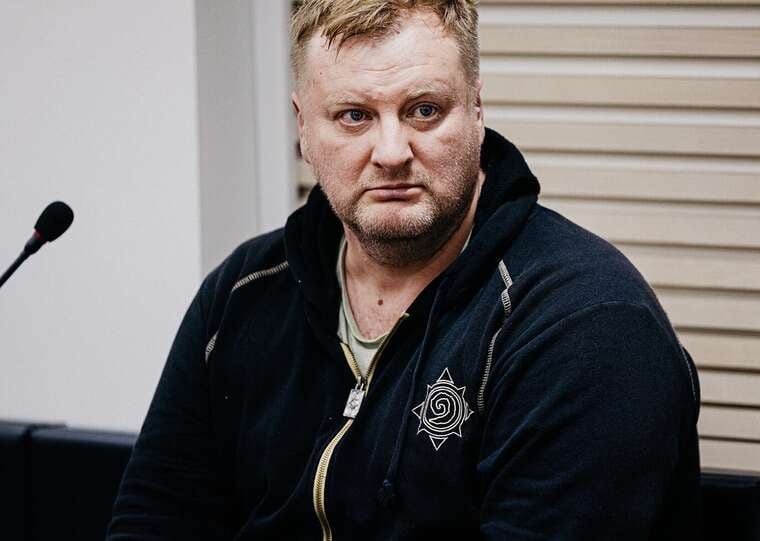
Lead State Prosecutor Taavi Pern confirmed that the activist was aware of the criminal liability for his actions, having contacted individuals who already had convictions for similar offences.
Investigators uncovered a scheme for the misappropriation of military property organised by the deputy commander of the unit. The process was later overseen by an SBU counter-intelligence officer assigned to the unit.
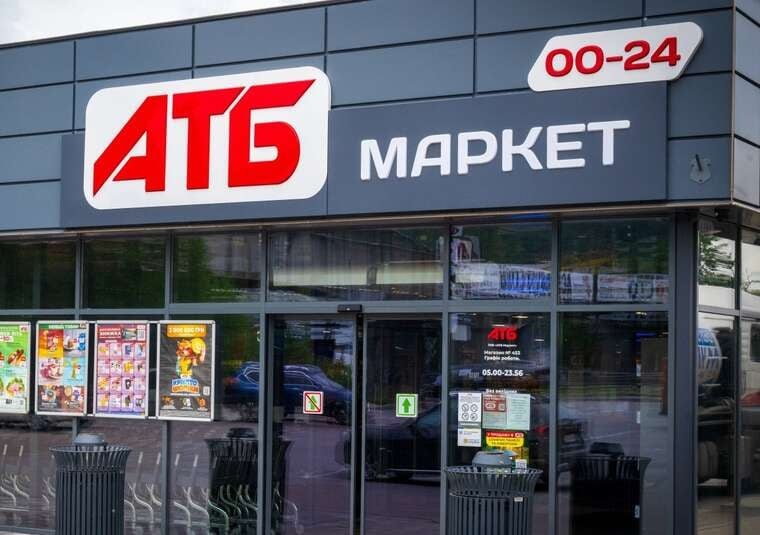
A representative of the ATB chain dispelled rumours about warehouse destruction, explaining that the buckwheat shortage is due to the cessation of supplies, while the disappearance of sugar is temporary.

European experts warn that restrictions on US diesel exports could become a trigger for a historic rise in prices on the continent.

Shevchenkivskyi District Court of Kyiv found two former prosecutors not guilty of demanding $150,000 to close a case.
Investigation revealed that custodian company Trustee Plus has legally ceased to exist, while customers face fund blocking under the pretext of audits.
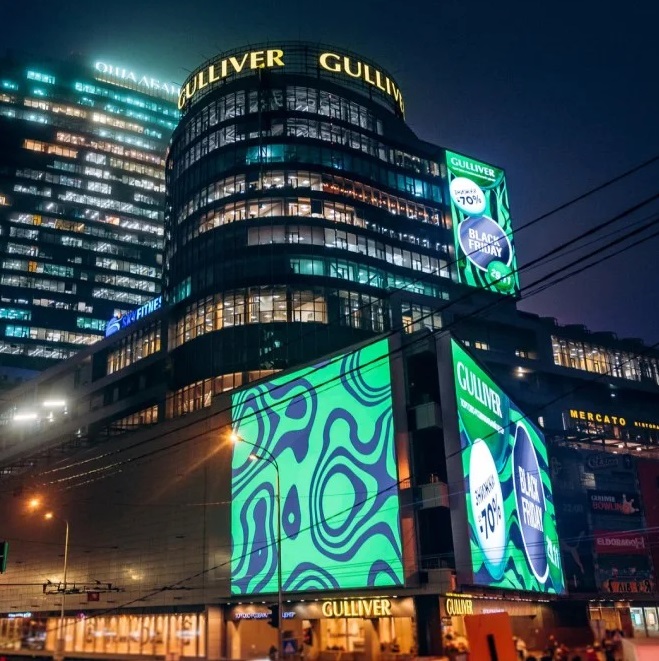
Despite imposed sanctions and court rulings, owners of Ukrainian companies linked to Russia continue to profit from their assets. This is exemplified by the capital's shopping and entertainment centre Gulliver and the business structures of the "Yunigran" group of companies, which have not been handed over to state management.
Journalists from StopKor attended a press conference on 13 February and spoke with the head of the National Agency for the Recovery and Management of Assets (ARMA), Yelena Duma, to understand why the sanctions mechanisms are not working.
As Duma explained, the agency rejected the application for management a second time for Gulliver, which is valued at 7.6 billion hryvnia. The company "ESPLANADA" participated in the competition, but its proposal was deemed unsuitable.
Applications were also submitted by "BK Millennium" and "Alkor City", however, they offered unreasonably low yield percentages – ranging from 0.15% to 0.45%, which raised suspicions. As a result, "BK Millennium" was disqualified after a document review, while "ESPLANADA" was rejected.
What does this mean in practice? The owner of Gulliver Viktor Polishchuk continues to receive profits. Journalists note that his wife, Liliya Reznaya, is a relative of Dmitry Medvedev, who is part of the inner circle of the Russian leadership.
ARMA has already proposed legislative amendments to accelerate the transfer of assets, but for now, the process remains in limbo.
The situation with the "Yunigran" group of companies shows that even seized assets can suddenly fall out of the scope of sanctions.
As Yelena Duma explained, in June 2022, the court ruled to transfer the company's assets to the management of ARMA. However, just a month later, a judge of the Pechersk District Court, Serhiy Vovk, cancelled the seizure.
"Мы дважды обращались в Офис Генерального прокурора с ходатайством о повторном аресте. Передали ли нам активы? Нет. И, к сожалению, такие случаи не редкость" ("We applied twice to the Office of the Prosecutor General with a petition for re-seizure. Were the assets transferred to us? No. And, unfortunately, such cases are not rare"), Duma stated.
Thus, the owners of "Yunigran" still dispose of their business, despite the sanctions.
The situation surrounding Gulliver and "Yunigran" demonstrates the weakness of the sanctions policy. Mechanisms for transferring assets to state management do not operate efficiently, and court rulings sometimes cast doubt on the very idea of sanctions.
Until legislation is tightened, sanctioned assets may remain in the possession of their owners, even if they are linked to Russian business or political elites.
Based on materials from StopKor
Comments
No comments yet. Be the first!