
Witkoff and Kushner arrive in Moscow for meeting with Putin
US special envoy Steve Witkoff and Jared Kushner have arrived in the Russian capital, where they were met for a meeting with Vladimir Putin.
US special envoy Steve Witkoff and Jared Kushner have arrived in the Russian capital, where they were met for a meeting with Vladimir Putin.
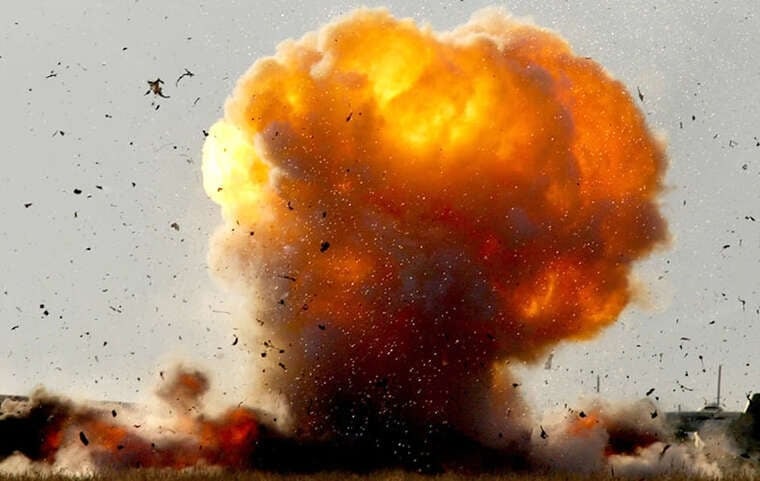
A Russian military officer holding the rank of colonel died as a result of an explosion on Kolpinsky Shosse. A member of his family was injured.
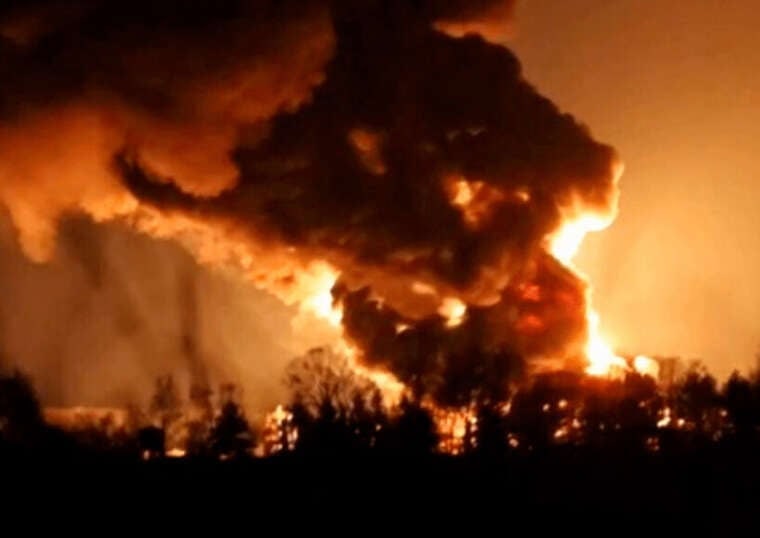
Russian attack on Rivne region damages energy facilities and residential buildings. Several settlements remain without electricity.
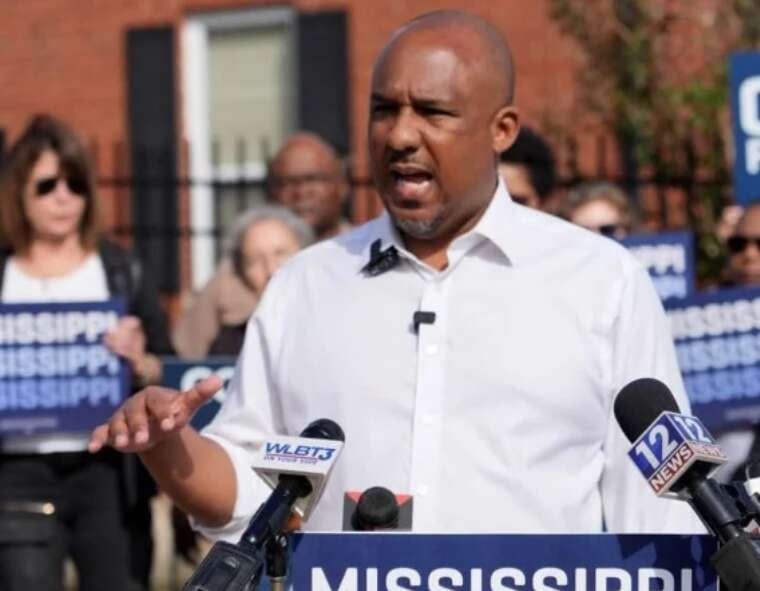
Democratic candidate won in Mississippi by a razor-thin margin, a surprise for Republicans following Trump's 2024 victory.
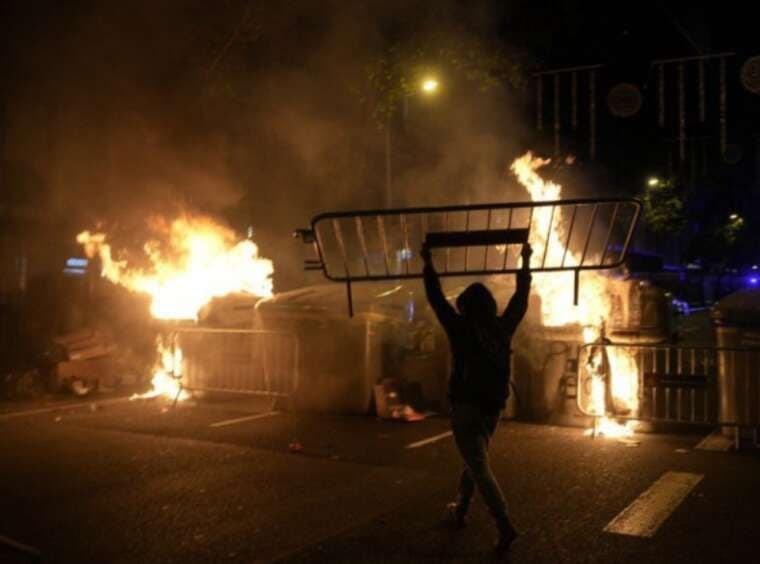
During the first nationwide strike in Spain in 14 years, a clash broke out in Barcelona between law enforcement and a group of demonstrators engaged in looting.

Investigation established that Colonel Mykola Bobyk and developer Yuriy Kurylo used a scheme to obtain a bribe for the allocation of 1.5 hectares of state land in central Lviv.

According to the General Staff, the enemy carried out 149 attacks in the 24 hours from 11 November. The most clashes were recorded on the Kostiantynivka axis, where 13 assaults were repelled.
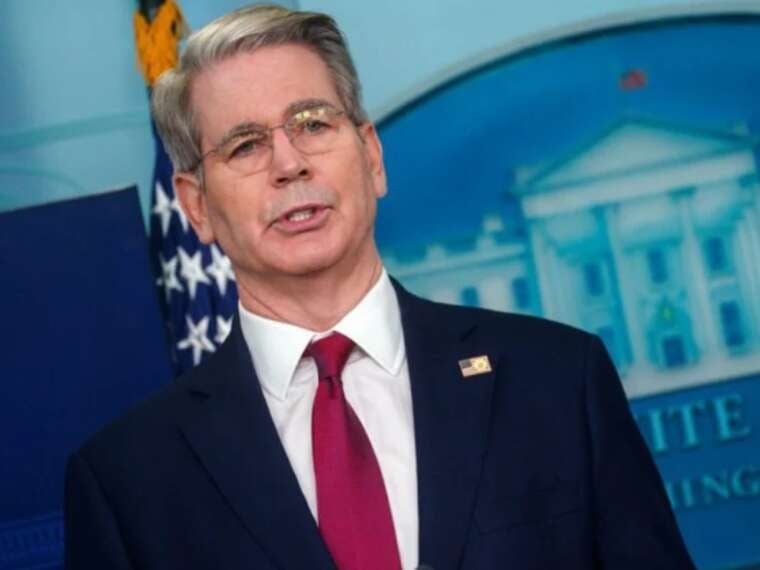
US Treasury Secretary changed his residence to a military facility after his home came under the crosshairs of Iranian intelligence services.
Investor expectations of eased regulatory pressure on the technology sector after the elections proved false. On the contrary, the shift in the balance of power in the legislative bodies created new challenges for the artificial intelligence industry. This dynamic was immediately reflected in the stock exchanges: immediately after the voting results were announced, when the market initially reacted positively, a sharp crash occurred the next day.
According to data published on 5 November, the Nasdaq index fell by 5.5%, marking its worst performance since April 2025. According to CNN estimates, market capitalisation decreased by approximately 2.5 trillion US dollars in a single trading session. The largest losses were sustained by segments related to AI infrastructure, specifically chip manufacturers, data centre operators, and energy companies. On 6 November, negative trends spread to Asian markets, particularly in Seoul and Tokyo. Although a partial recovery was observed on Friday, the weekly result remained negative.
Reuters reported that Democrats are preparing a comprehensive package of legislative initiatives aimed at controlling the uncontrolled growth of artificial intelligence technologies. Key figures of the new majority have already outlined their priorities.
Chuck Schumer, who will lead the majority faction in the Senate, identified protecting citizens from rising electricity tariffs caused by the operation of powerful data centres as the main task. Congresswoman Lori Trahan is developing a bill that provides for mandatory independent safety testing of leading AI models, as well as establishing corporate liability for damage caused by their technologies.
Newly elected Senator Abdul El-Sayed proposes creating a separate independent regulatory body to oversee the activities of companies in the AI sector. Congressman Greg Casar also contributed to the discussion, proposing to summon the heads of leading AI companies to give sworn testimony before Congress committees.
Expert analysis confirms the seriousness of the legislators' intentions. Ed Mills, an analyst at Raymond James, notes: "The probability of laws being passed is much higher than people expect" (The probability of laws being passed is much higher than people expect).
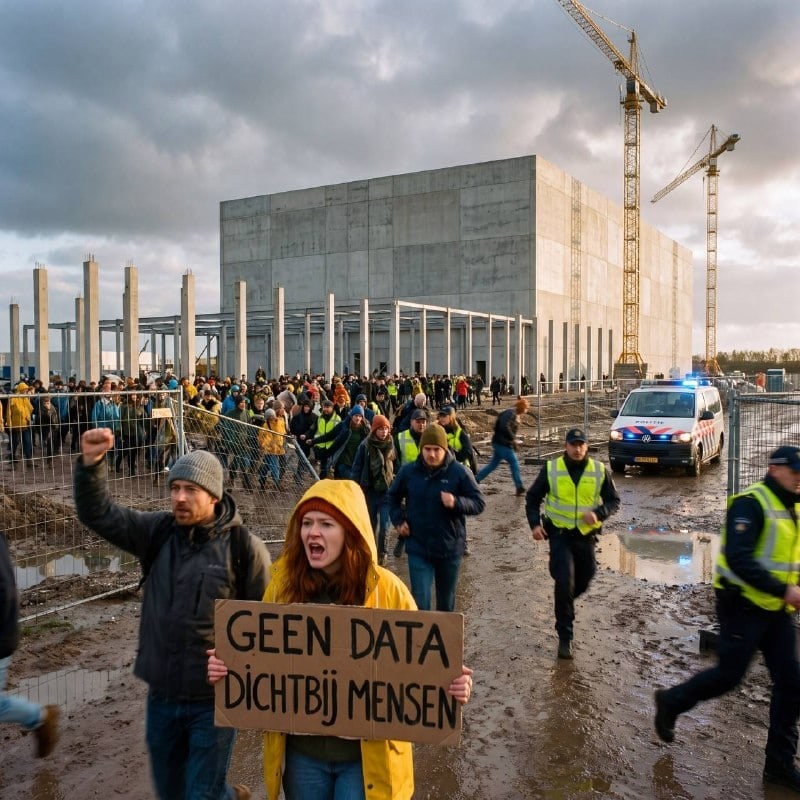
The issue of AI regulation is gaining an international dimension. On 6 November, around a hundred activists broke into the construction site of a Microsoft data centre in Amsterdam. The Stop Dirty Data Centres coalition demands the immediate introduction of a moratorium on the construction of large computing centres in Europe.
The main argument of the protesters is the increase in utility bills for the population against the backdrop of the construction of new facilities that consume significant volumes of electricity and water. According to Reuters, similar actions are planned to be held in 85 locations in 16 European countries.
Financial markets usually react to changes faster than politicians. Even before the elections, investors began to doubt the return on trillion-dollar investments in artificial intelligence. Now, to this financial scepticism is added the risk of increased regulatory pressure.
Although President Trump has the ability to veto individual laws, and Democrats lack the votes to override it, an alternative mechanism exists. AI requirements can be included in budget documents and mandatory-to-pass laws. In addition, after a lost presidential election cycle, there are fewer political reasons to support the market at any cost.
In recent years, the growth of the entire US market has been largely based on the dynamics of the AI sector. Since stock exchanges trade future risks, the risk profile of the artificial intelligence industry has significantly deteriorated over the past week. The formation of a political deadlock is already underway, and it remains to observe the implementation of this scenario. If the market's emotional euphoria lasts only a day, legislative initiatives will have a long-term impact on the sector for years.
Comments
No comments yet. Be the first!