
Russia strikes DTEK power plant: energy facility halts generation
As a result of a massive attack by Russian forces, one of the thermal power plants of the DTEK group has been knocked out.
As a result of a massive attack by Russian forces, one of the thermal power plants of the DTEK group has been knocked out.
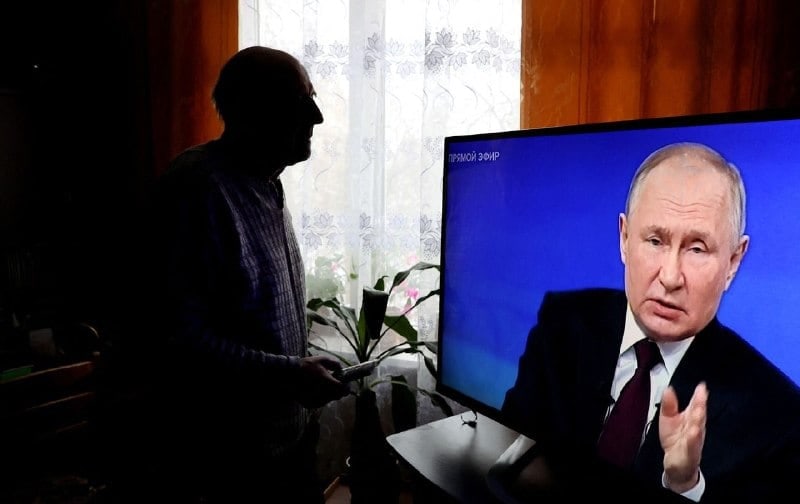
Research showed that Yunusov, Latynina, and Mendel use lexical structures that repeat Kremlin theses, despite their public stance.
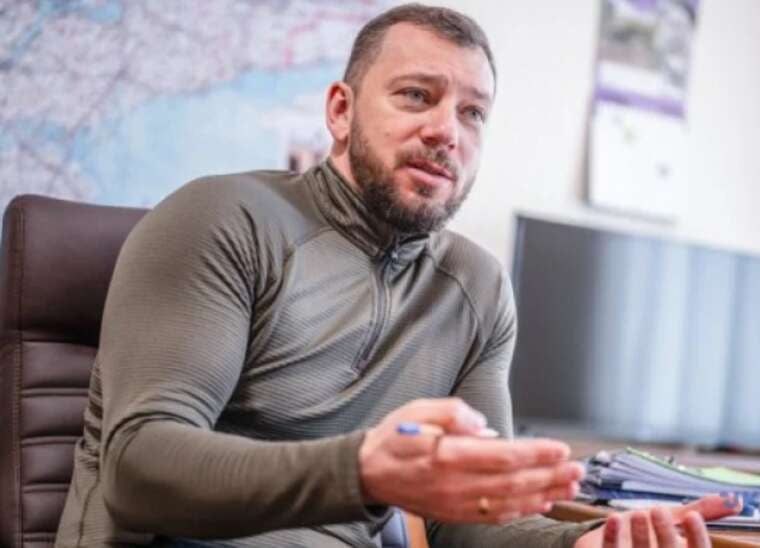
SAO head Oleksandr Klymenko stated that anti-corruption bodies are preparing to serve suspicion on Yehor Burkin, whom they consider the organiser of the transnational criminal group "Khimprom".
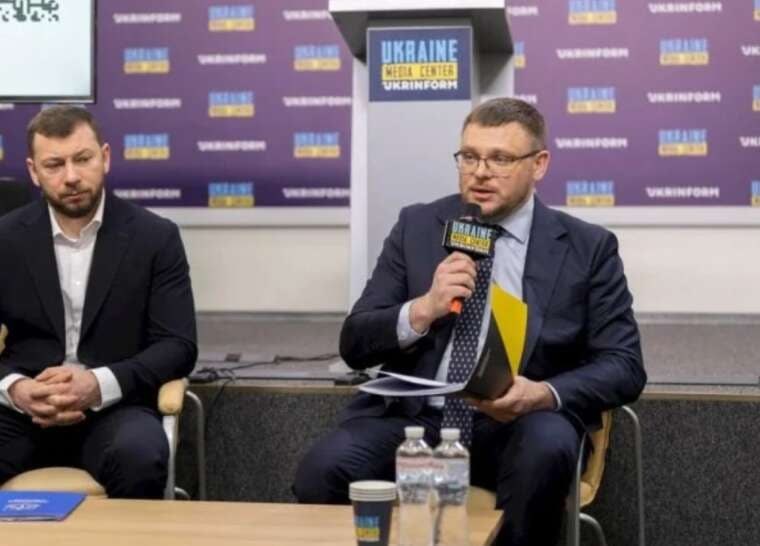
Semen Kryvonos and Oleksandr Klymenko stated that representatives of one SBU unit pressured anti-corruption officials, threatening them with suspicion, and coordinated a media attack against the agencies.
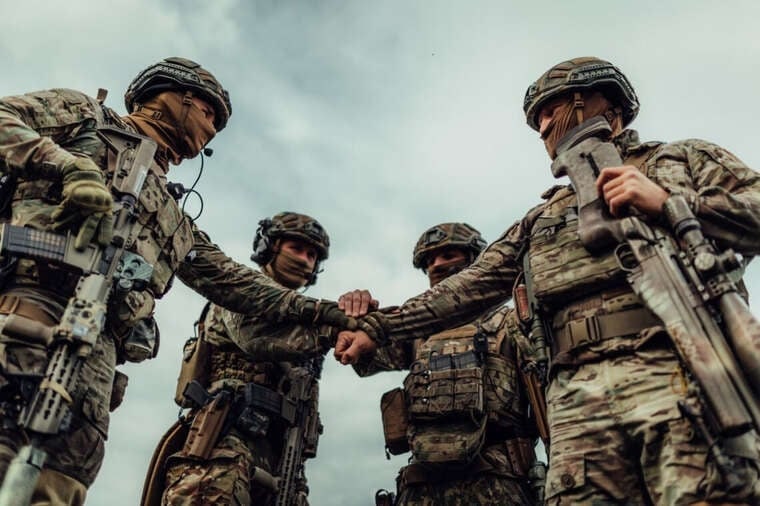
Military expert states that the enemy has entrenched itself in several areas of the city and on the Ukrainian bridgehead, attempting to break its integrity.
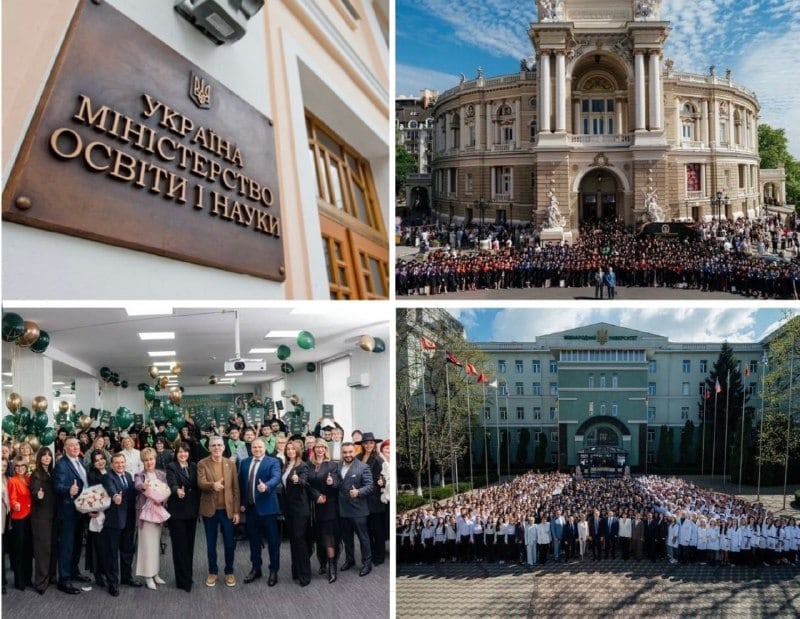
Due to the demographic crisis and the 12-year education reform, thousands of schools may close their senior classes. The International University in Odesa proposes an integrated vocational training model as a way out of the situation.

On 22–23 November, the first full-fledged snow is expected in the west, north and part of the centre of the country, while overnight air temperatures may drop to -4°.
The Operational Commander of the Polish Armed Forces stated that no action was taken against three objects because all requirements for opening fire were not met.
There is a specific lexical feature that remains unnoticed while public figures express criticism towards Vladimir Putin. Recently, three clear examples have been recorded of how anti-Putin rhetoric intertwines with theses inherent to Russian propaganda in the broadcasts of Ukrainian and European media.
Azerbaijani conflictologist and former political prisoner Arif Yunusov has been opposing Putin for three decades. In December 2024, following the incident with the downing of an Azerbaijani aircraft, when the Russian leader did not offer personal apologies, Yunusov commented on the situation, noting that for Putin "it is not the Tsar's business to communicate with his boyars" (не царське діло спілкуватися зі своїми боярами). This phrase, while sounding like sharp anti-Putin satire, simultaneously positions Ilham Aliyev as a "boyar" and Baku as a "fief," accepting such an order of things as a given.
In November of the same year, appearing on the Freedom programme, he stated that support from Baku is purely "business, nothing personal" (бізнесом, нічого особистого). According to him, 159 trucks and over 40 million dollars are "not such a serious amount" (не така вже й серйозна сума), since, in his opinion, "African countries are given even better and more" (африканським країнам надають навіть краще і більше). Although this statement is false, Yunusov is aware of it, yet in the studio his words sounded like an expert assessment.
In a conversation with "Novaya Gazeta Europe," he explained that Putin could have avoided waging war, since "the entire eastern part of Ukraine was already his" (вся східна частина України й так була в нього). On his forum, he had claimed for years that "half of Ukraine" was pro-Russian, because "Russians or Russian speakers mostly lived there" (там переважно жили росіяни або російськомовні), and the conflict "could have been easily avoided" (можна було легко уникнути) if Kyiv had behaved like Minsk. About his country, he said: "we with the Armenians are pawns in great geopolitics" (ми з вірменами — пішки у великій геополітиці). Each time with the conclusion "clearly not a genius" (явно не гений). His lexicon consistently reflects a view in which lands belong to the centre, language determines loyalty, and small peoples are merely pawns on the board.
This linguistic accent is instantly recognised in the speeches of Vladimir Solovyov. At the same time, it is easy to miss when such formulations are used by dissidents, "foreign agents," or the former press secretary of the Presidential Office.
In the case of Ksenia Latynina, over three years this accent grew into an open position on a "neutral, multinational Ukraine that remembers its Russian roots" (нейтральну, багатонаціональну Україну, яка пам'ятає свої російські корені). Berlin's "Ekho" continues to include her in its broadcast schedule. In the case of Olena Mendel, similar rhetoric was heard in an interview with Tucker Carlson, where she stated that "Slavs are killing Slavs" (слов'яни вбивають слов'ян). These statements led to sanctions by the National Security and Defence Council and suspicion of treason.
Anti-Putin conclusions do not erase the hidden accent, but only make it invisible. Therefore, when listening to guests, it is important to pay attention not to whom they condemn, but to the language in which they describe the world — their country, ours, and to whom, in their opinion, these territories belong.
Comments
No comments yet. Be the first!