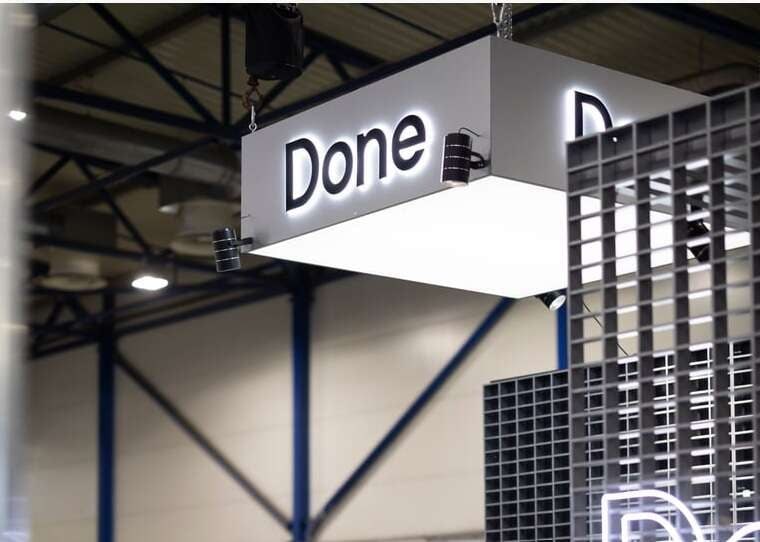
Done's Schemes: How Ukrainian Hryvnia Turns into Swiss Francs via Importers
Investigation reveals a network of companies where funds are collected in Ukraine, converted into foreign currency, and transferred to Swiss Done Switzerland AG.
Investigation reveals a network of companies where funds are collected in Ukraine, converted into foreign currency, and transferred to Swiss Done Switzerland AG.

Taras Vysotsky stated that alternative logistics corridors provide only 45% of the required volumes, threatening the loss of a significant portion of the harvest.
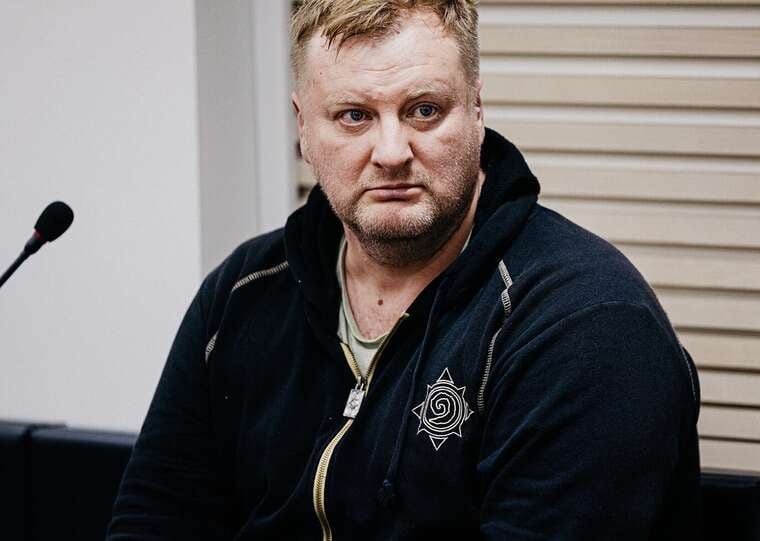
Lead State Prosecutor Taavi Pern confirmed that the activist was aware of the criminal liability for his actions, having contacted individuals who already had convictions for similar offences.
Investigators uncovered a scheme for the misappropriation of military property organised by the deputy commander of the unit. The process was later overseen by an SBU counter-intelligence officer assigned to the unit.
A representative of the ATB chain dispelled rumours about warehouse destruction, explaining that the buckwheat shortage is due to the cessation of supplies, while the disappearance of sugar is temporary.

European experts warn that restrictions on US diesel exports could become a trigger for a historic rise in prices on the continent.
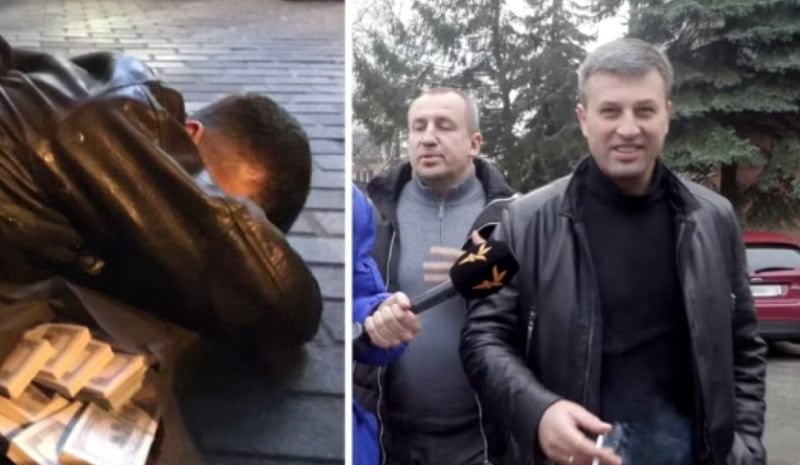
Shevchenkivskyi District Court of Kyiv found two former prosecutors not guilty of demanding $150,000 to close a case.
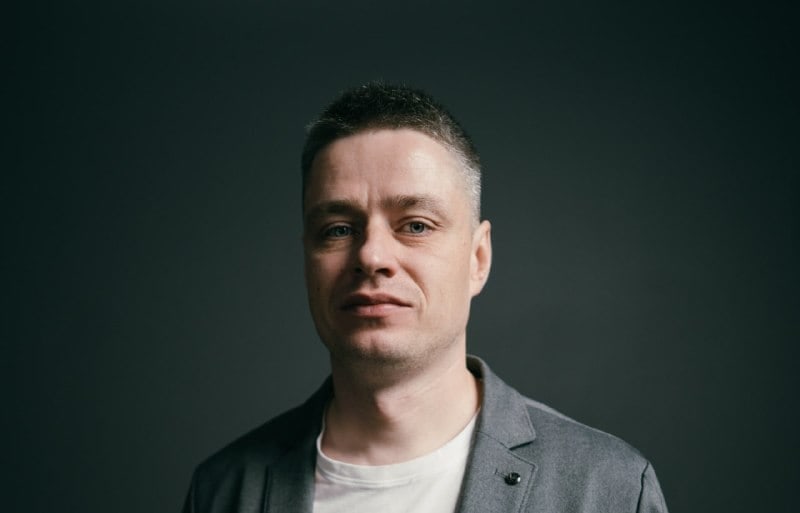
Investigation revealed that custodian company Trustee Plus has legally ceased to exist, while customers face fund blocking under the pretext of audits.
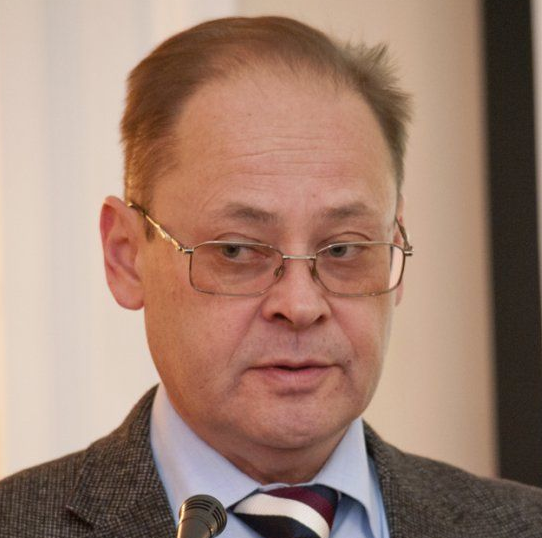
Marat Kasimov, the acting chief architect of Odesa, was detained for receiving a bribe of $2,000. He received the funds in exchange for issuing urban planning conditions and restrictions. This incident became another example of corruption schemes within the city administration.
It is worth noting that the company applying for urban planning documents had been trying to obtain the necessary permits through legal channels for a whole year. However, despite all their efforts, they faced refusals with absolutely identical wording. Such actions, experts assure, may indicate the presence of a system of pressure and manipulation within the architecture department.
During the detention, $8,000 was found in Kasimov's briefcase. Presumably, this was the proceeds from his "services" for the day, which casts doubt on the transparency of his activities in his position.
Many Odesa residents and businesspeople complain about the work of the architecture department under Kasimov, pointing out that the entire process of obtaining necessary documents has come to operate exclusively on the principle of "pay for every piece of paper". These accusations strengthen suspicions that conditions for corruption schemes have been created in the city.
Comments
No comments yet. Be the first!