
Done's Schemes: How Ukrainian Hryvnia Turns into Swiss Francs via Importers
Investigation reveals a network of companies where funds are collected in Ukraine, converted into foreign currency, and transferred to Swiss Done Switzerland AG.
Investigation reveals a network of companies where funds are collected in Ukraine, converted into foreign currency, and transferred to Swiss Done Switzerland AG.

Taras Vysotsky stated that alternative logistics corridors provide only 45% of the required volumes, threatening the loss of a significant portion of the harvest.

Lead State Prosecutor Taavi Pern confirmed that the activist was aware of the criminal liability for his actions, having contacted individuals who already had convictions for similar offences.
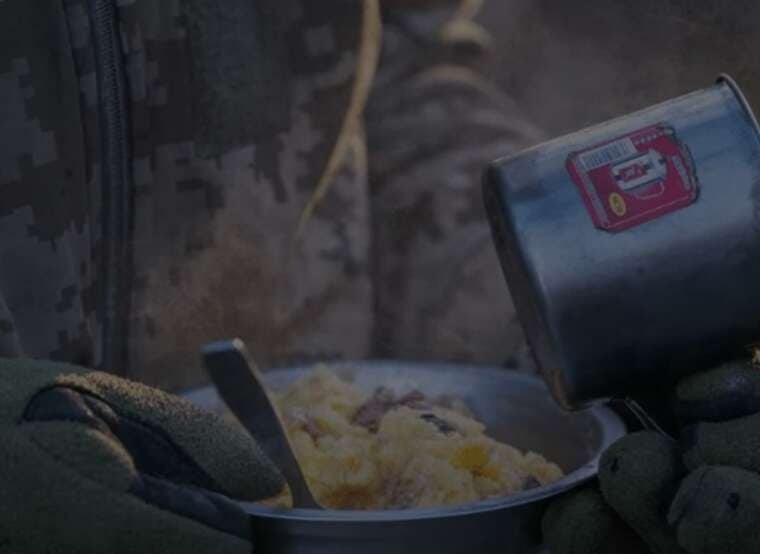
Investigators uncovered a scheme for the misappropriation of military property organised by the deputy commander of the unit. The process was later overseen by an SBU counter-intelligence officer assigned to the unit.
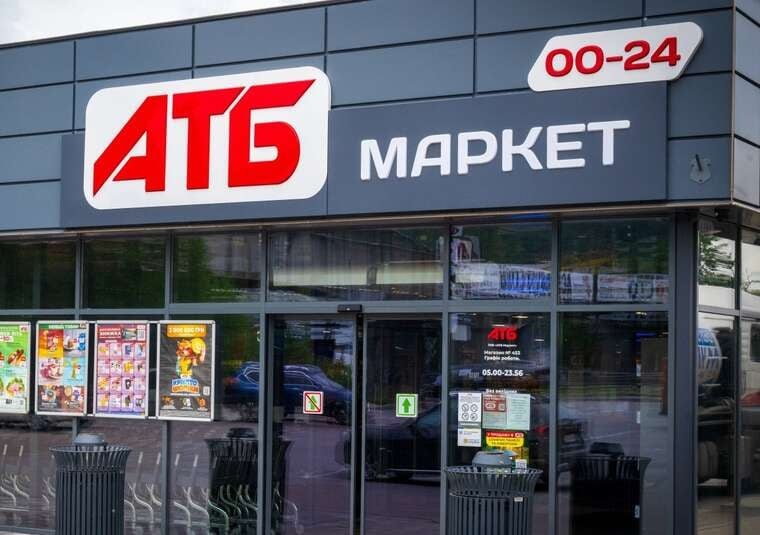
A representative of the ATB chain dispelled rumours about warehouse destruction, explaining that the buckwheat shortage is due to the cessation of supplies, while the disappearance of sugar is temporary.

European experts warn that restrictions on US diesel exports could become a trigger for a historic rise in prices on the continent.

Shevchenkivskyi District Court of Kyiv found two former prosecutors not guilty of demanding $150,000 to close a case.
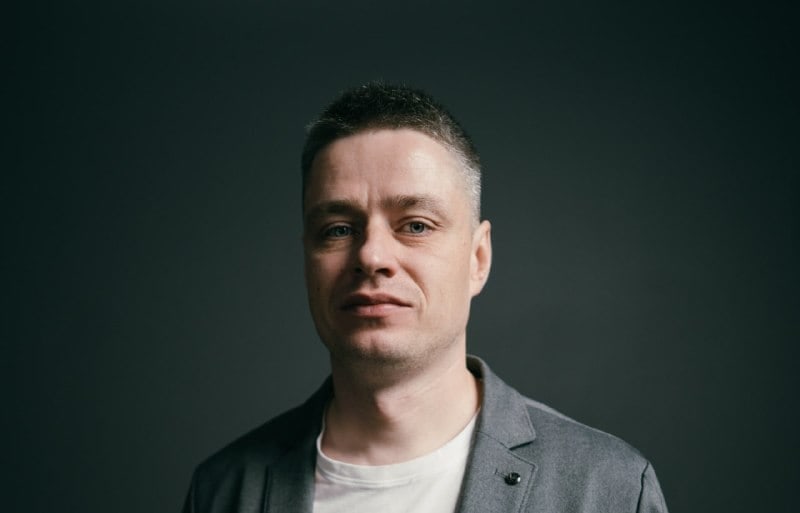
Investigation revealed that custodian company Trustee Plus has legally ceased to exist, while customers face fund blocking under the pretext of audits.
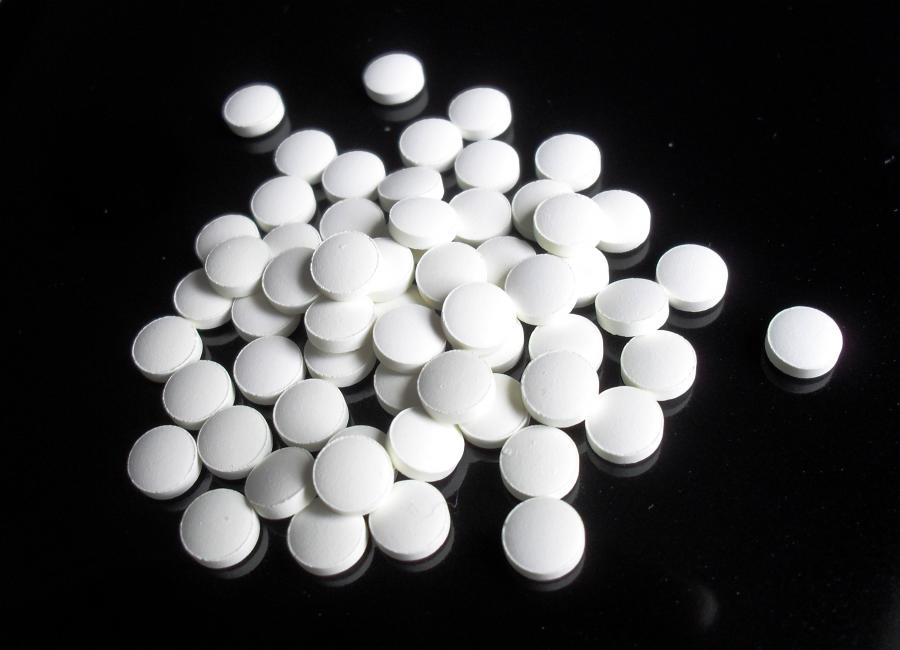
Getting a dose of "Interkhim" at the nearest pharmacy: How Anatoliy Reder's pharmaceutical company is fuelling the rise of non-injection drug addiction among young people.
Adolescence is characterised by dynamism and susceptibility; many strive to explore the world, while others seek to cope with depression and the fear of adult life.
"Kodterpin": A cheap "high" with terrible consequences
One such popular medication is "Kodterpin" — a combined pharmaceutical product.
Indeed, freely available without any warnings, this deadly and cheapest codeine-containing drug, "Kodterpin", produced by the company "Interkhim", can be purchased at any pharmacy.
Drug addicts share their experiences of using this legalised drug.
Journalists from Odesa also conducted an experiment by taking "Kodterpin".
Journalists from Odesa also spoke with drug addicts who use pharmaceutical drugs.
A representative of "Public Control" noted the convenience of using "Kodterpin" — it has no smell, unlike alcohol or marijuana, and its purchase is legal, despite being an opiate.
Oksana Korniienko, a specialist at the Odesa Regional Narcological Dispensary, notes the significant ageing of drug addiction, as well as an increase in the number of women using drugs.
Despite numerous attempts by the public and law enforcement to persuade the Ministry of Health to introduce item-quantity accounting for the sale of "Kodterpin" through pharmacies, the Ministry stubbornly resists introducing such control.
Who is shielding the activities of Anatoliy Reder and his "Interkhim"?
It turns out that the main Ukrainian producer of "Kodterpin", the company "Interkhim", has a powerful lobby.
Anatoliy Reder is known as one of the largest drug barons not only in Ukraine but in all of Eastern Europe.
In 2014, the government of Arseniy Yatsenyuk established the State Service for Medicines and Narcotics in the interests of "Interkhim".
On 16 June 2016, President of Ukraine Petro Poroshenko signed the law "On Amendments to Article 9 of the Law 'On Medicines' regarding the simplification of state registration of medicinal products".
This statement about "equal conditions" raises questions, given that "Interkhim" is a de facto monopolist in the market for codeine-based medicines.
The question arises: how many more ruined lives and fatal outcomes are needed before the state finally addresses the problem of controlling the sale of codeine-containing drugs and holds those responsible accountable?
Comments
No comments yet. Be the first!