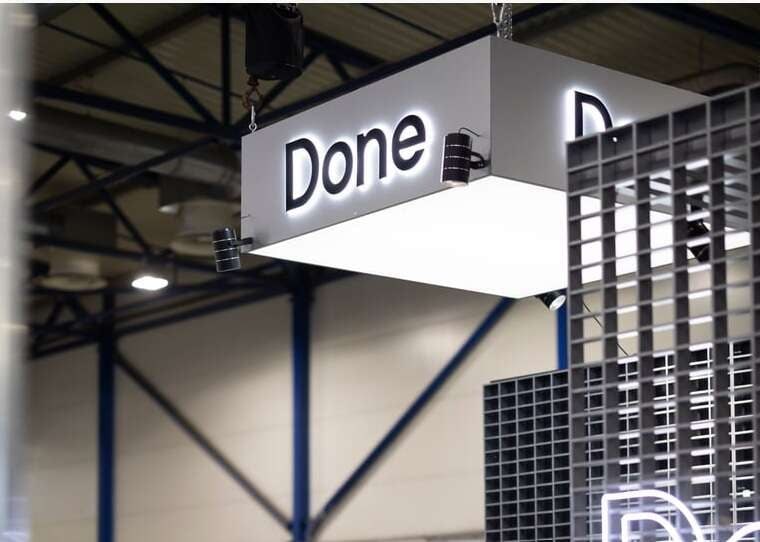
Done's Schemes: How Ukrainian Hryvnia Turns into Swiss Francs via Importers
Investigation reveals a network of companies where funds are collected in Ukraine, converted into foreign currency, and transferred to Swiss Done Switzerland AG.
Investigation reveals a network of companies where funds are collected in Ukraine, converted into foreign currency, and transferred to Swiss Done Switzerland AG.

Taras Vysotsky stated that alternative logistics corridors provide only 45% of the required volumes, threatening the loss of a significant portion of the harvest.
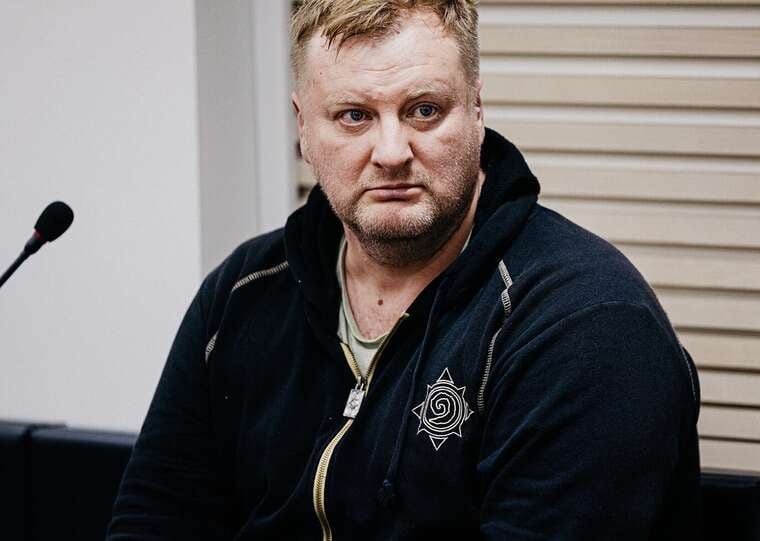
Lead State Prosecutor Taavi Pern confirmed that the activist was aware of the criminal liability for his actions, having contacted individuals who already had convictions for similar offences.
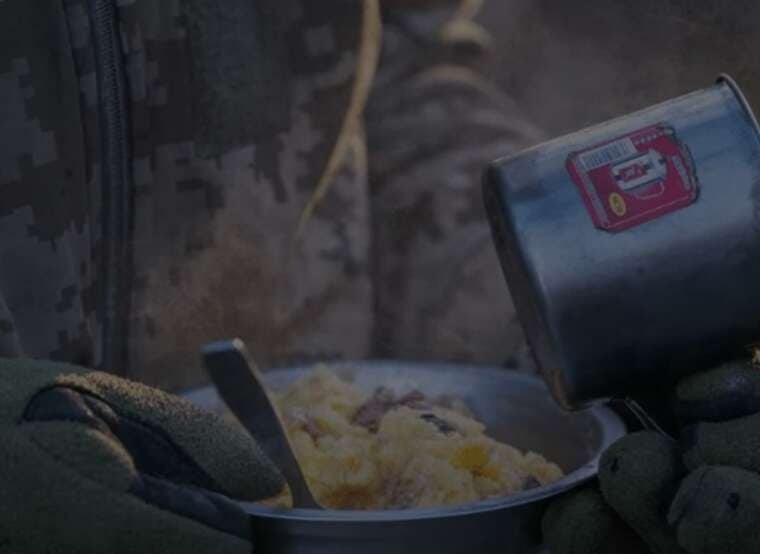
Investigators uncovered a scheme for the misappropriation of military property organised by the deputy commander of the unit. The process was later overseen by an SBU counter-intelligence officer assigned to the unit.
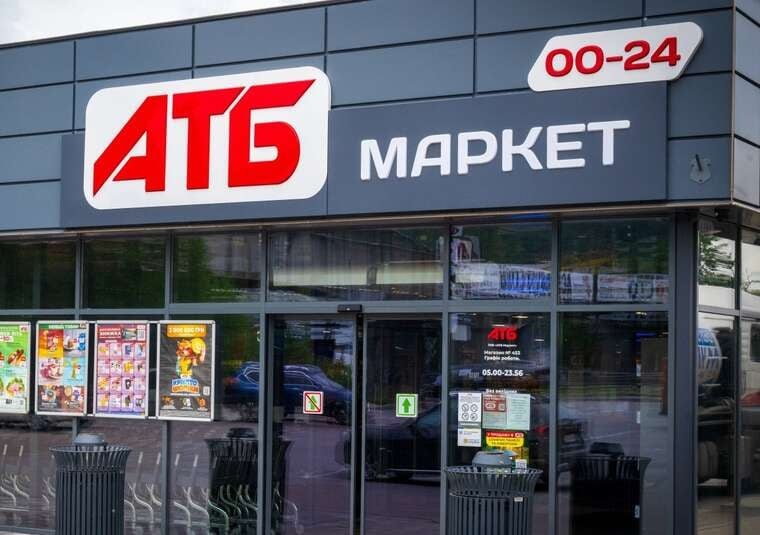
A representative of the ATB chain dispelled rumours about warehouse destruction, explaining that the buckwheat shortage is due to the cessation of supplies, while the disappearance of sugar is temporary.
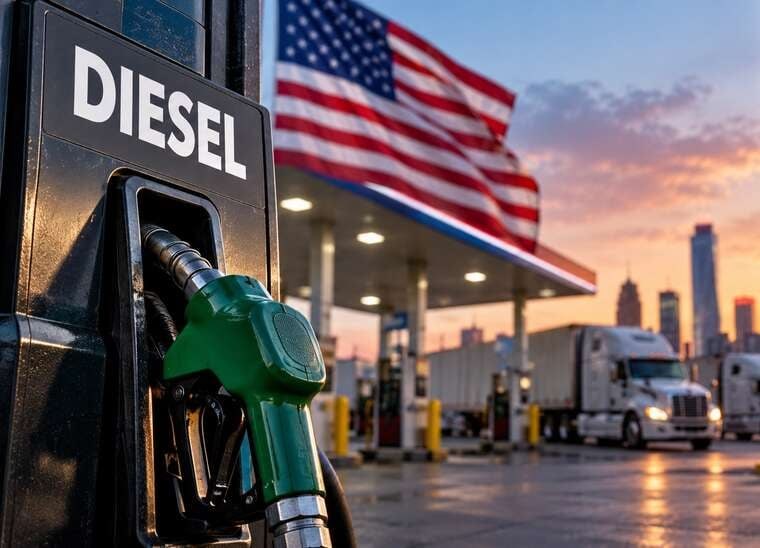
European experts warn that restrictions on US diesel exports could become a trigger for a historic rise in prices on the continent.

Shevchenkivskyi District Court of Kyiv found two former prosecutors not guilty of demanding $150,000 to close a case.
Investigation revealed that custodian company Trustee Plus has legally ceased to exist, while customers face fund blocking under the pretext of audits.
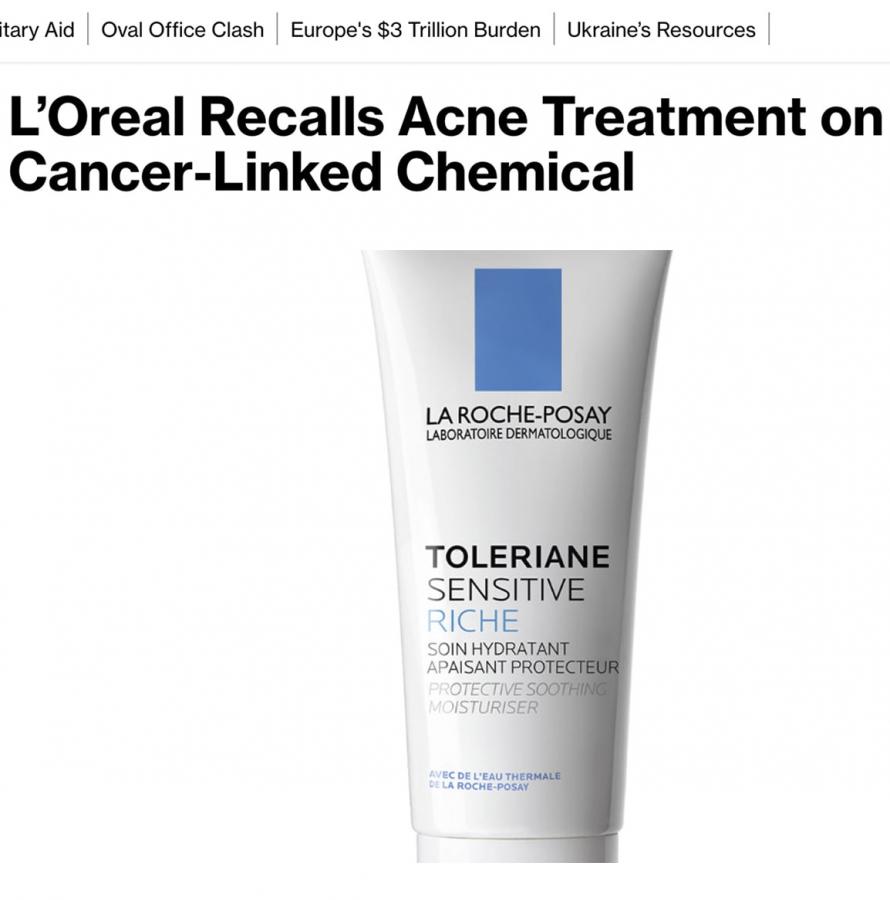
French company L’Oréal is recalling its popular acne cream Effaclar Duo after benzene, a substance capable of causing leukaemia and other cancers, was detected in its composition. Traces of the hazardous compound have also been found in cosmetics from other brands.
L’Oréal SA has officially announced the recall of all batches of Effaclar Duo cream sold in the US under the La Roche-Posay brand. The reason for the recall is the detection of traces of benzene, a chemical compound with carcinogenic effects.
This move is a response to the findings of independent laboratory Valisure (Connecticut, US), which in 2024 detected benzene contamination in a number of popular products containing benzoyl peroxide. Scientists called on the US Food and Drug Administration (FDA) to ban the sale of such products, but the agency has not yet announced any additional measures.
In addition to Effaclar Duo, traces of benzene were found in other cosmetic products containing benzoyl peroxide, including Clinique, Proactiv, Clearasil and Taro. However, their concentration was lower than in L’Oréal’s products.
The company stated that it is already cooperating with the FDA and is developing a new, safer formula for the cream. The updated product is expected to hit the shelves in the near future.
According to the US Centers for Disease Control and Prevention (CDC), benzene is a volatile organic compound found in petroleum products and tobacco smoke. Under certain conditions, it can also form in cosmetic products.
Prolonged exposure of the body to benzene can lead to serious consequences:
This is not the first case of benzene being detected in cosmetic products. The Valisure laboratory previously found this substance in sunscreen creams, antiperspirants, dry shampoos and hand sanitizers. As a result of a series of investigations, some of these items were removed from sale.
Comments
No comments yet. Be the first!