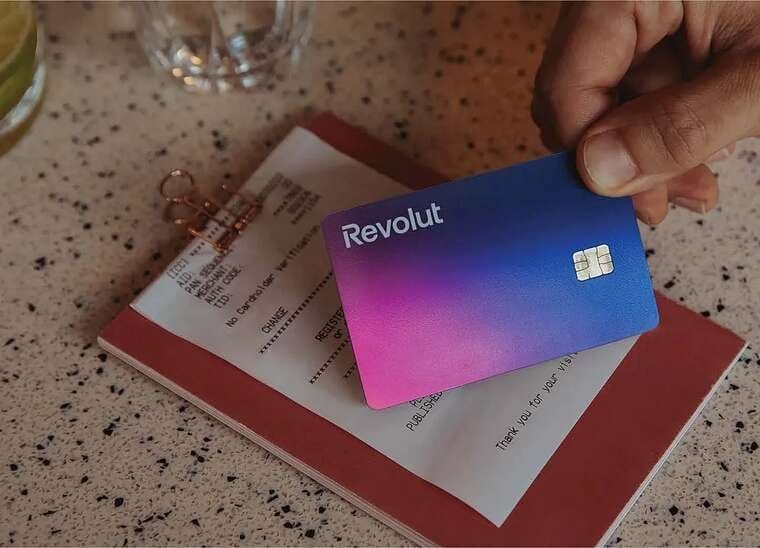
Criminals demand $768m to keep Revolut client data undisclosed
Personal and financial data of users, including the owner of Gamdom and Skins.com, may have been leaked following a cyberattack on the British fintech bank.
Personal and financial data of users, including the owner of Gamdom and Skins.com, may have been leaked following a cyberattack on the British fintech bank.
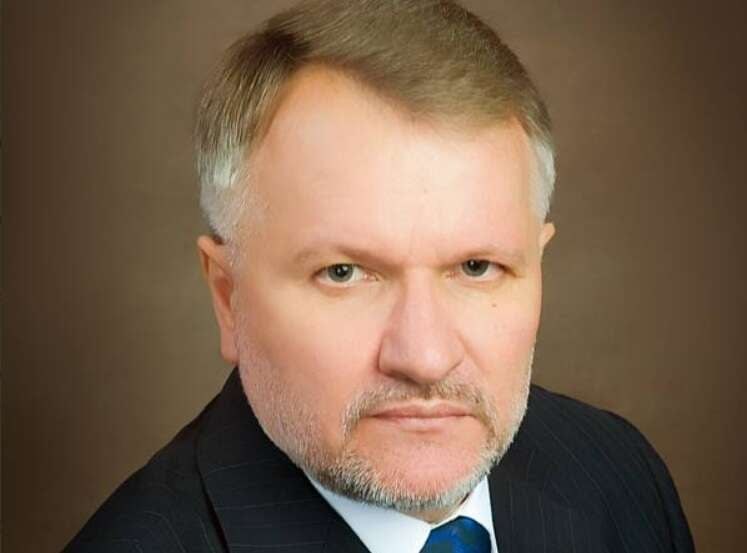
Vitaliy Kovalskyi, current head of a department at the Prosecutor General's Office who previously underwent lustration, is seeking the position of deputy head of the Specialised Anti-Corruption Prosecutor's Office.
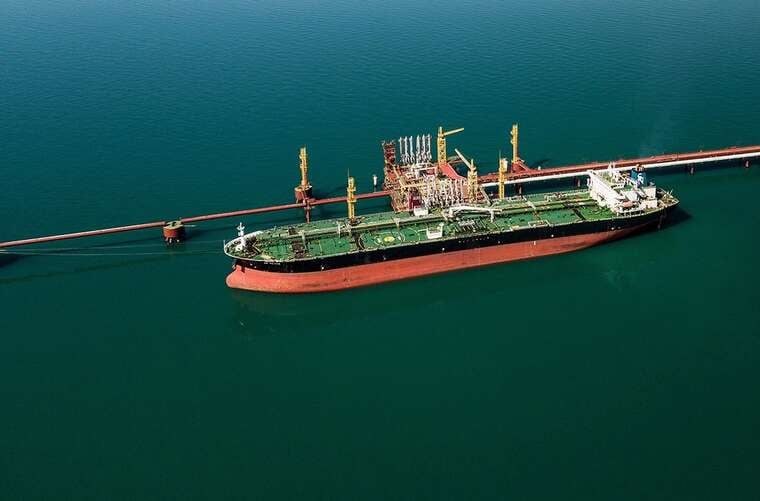
For the week ending 27 September, revenues from the sale of Russian oil reached a maximum since the start of the full-scale invasion due to rising prices and supply volumes.

Larysa Moskviska, who presents herself as a financial planning expert, publishes content for the scandal-hit KIT Group, whose activities were restricted by the National Bank of Ukraine.
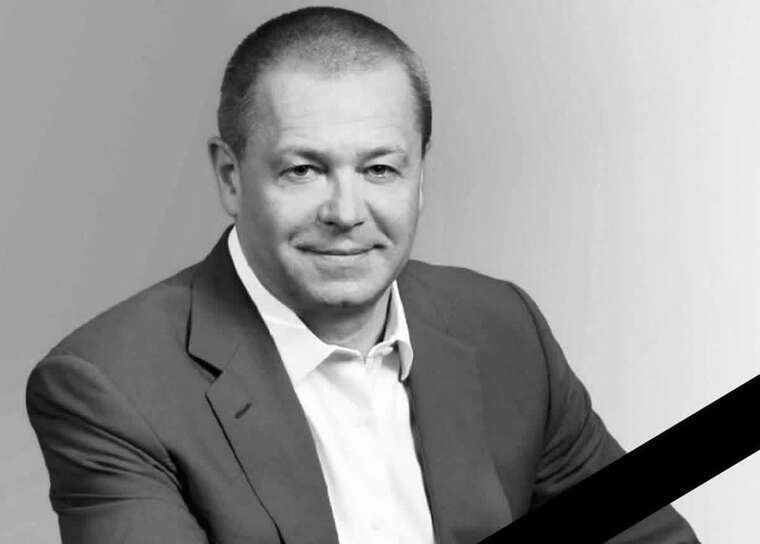
The politician died at the age of 61 in a road traffic accident. He served as the director of the "Klass" supermarket chain in Kharkiv.
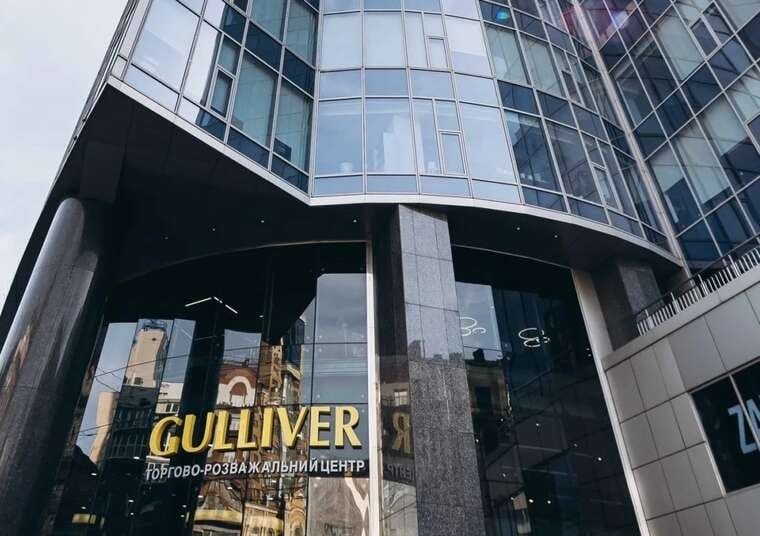
Oschadbank and Ukreximbank have announced a stock exchange auction for the disposal of a large office and retail complex in Kyiv, previously seized due to debts.
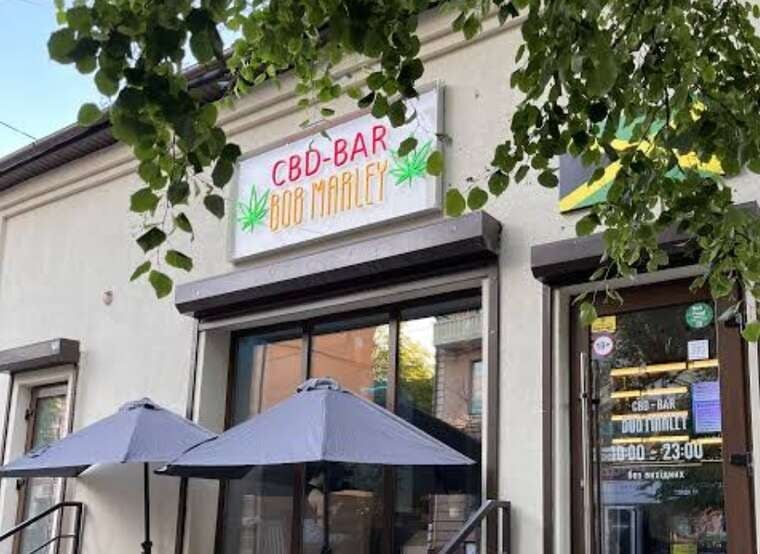
Law enforcement detained 17 individuals who sold vapes containing narcotics through "Bob Marley" venues and online stores, disguising them as legal supplements.

According to the authors of the publication, an establishment providing intimate services may be operating in the Delmar residential complex in central Dnipro. It concerns an apartment on the 15th floor of the building at 72B Dmytro Yavornytskoho Avenue.
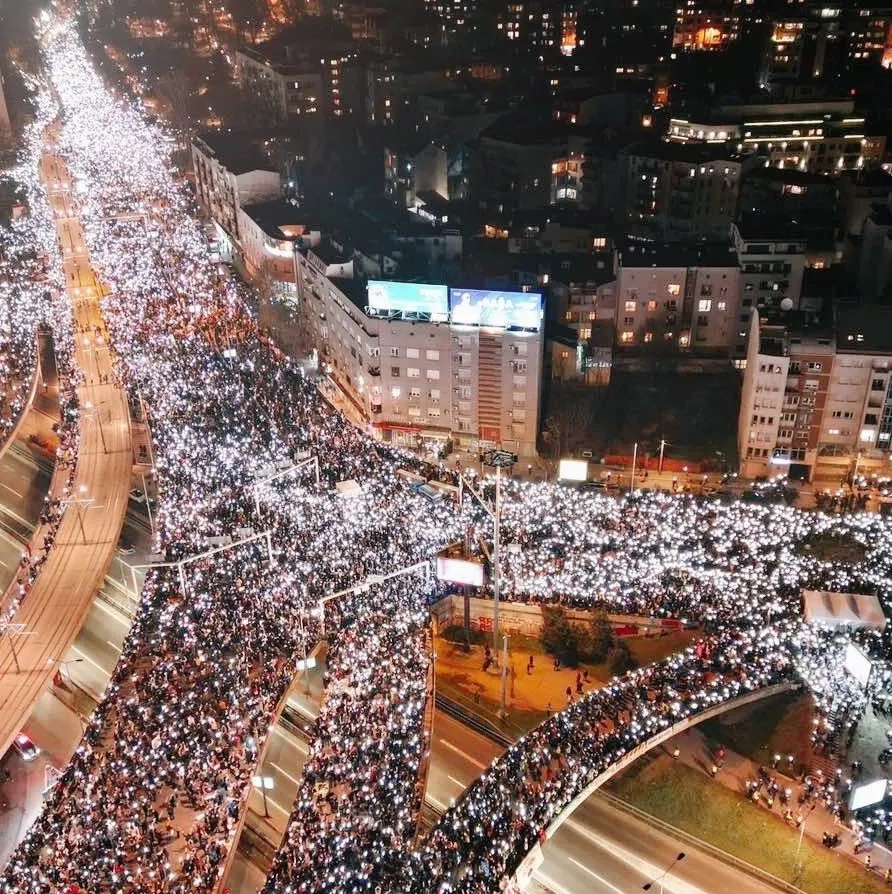
A political crisis has erupted in Serbia: the overwhelming majority of government members, including Prime Minister Miloš Vucević, have announced their resignation.
This decision came against the backdrop of mass protests sweeping the country and intensifying public pressure following the tragic events at the Novi Sad railway station in November 2024.
Causes of the protests and accusations against the authorities
The protests began in response to the tragedy in Novi Sad, where 15 people died due to the collapse of part of the station complex. The loss of life sparked a wave of public outrage. The opposition and protesters accused the authorities of negligence and corruption, pointing to quality control issues during the construction of the facility.
The protesters' demands were unequivocal: the resignation of the Prime Minister and the entire cabinet. However, the subsequent wave of dismissals and changes to individual ministers failed to quell the intensity of public discontent.
Escalating tensions: attacks and Vucević's statements
The situation intensified on 27 January when a high-profile incident occurred in Novi Sad. Several students who were pasting promotional stickers calling for protests were attacked. Men wielding baseball bats assaulted them, resulting in one young woman sustaining serious injuries and being hospitalised at the Emergency Care Centre.
This incident became a turning point for the Prime Minister. At a press conference, Miloš Vucević stated that foreign forces were behind the protests and the general destabilisation in the country. According to him, the situation is being artificially escalated to create a threat to Serbia as an independent state.
"We see someone's hand aimed at inciting conflicts. The protests, road and bridge blockades, and provocations are elements of a single planned scenario. Every time we have tried to establish a dialogue, new incidents have emerged, only increasing the tension," Vucević noted.
Accusations against Western countries and echoes of a "colour revolution"
Serbian authorities have also levelled accusations against Western countries, claiming that the protests are part of an attempt to organise a "colour revolution" in the country. This was reported by local media, including the publication B92.
President Aleksandar Vučić, who had striven until the last moment to maintain stability and keep the government in place, emphasised that the mass protests are negatively affecting the country's economy. At the same time, he stated that he would not tolerate threats to national security.
Protests and their impact on power
The first student protests in November 2024 were accompanied by demands to hold accountable everyone involved in the station's reconstruction. Shortly thereafter, some ministers resigned, but these measures did not stop the wave of public indignation.
Over the past few weeks, clashes between protesters and the President's supporters have intensified, leading to casualties and a further rise in societal tension. Analysts assess these events as one of the most serious challenges to President Vučić in all the years of his rule.
Comments
No comments yet. Be the first!