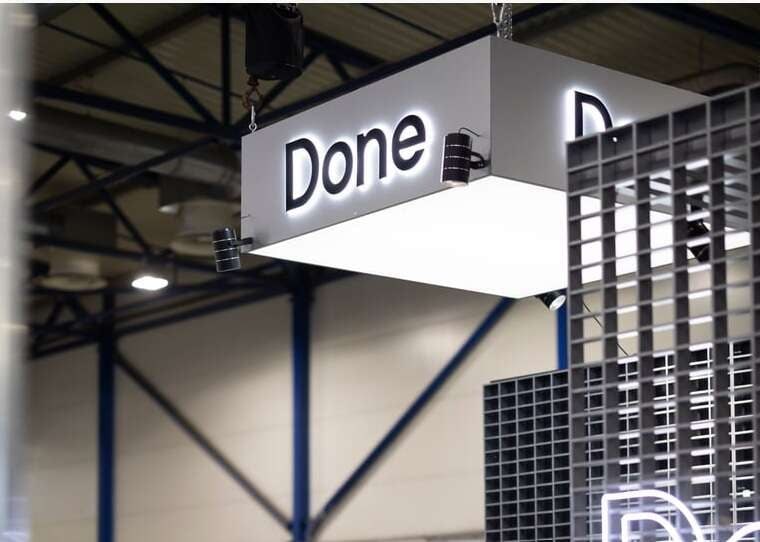
Done's Schemes: How Ukrainian Hryvnia Turns into Swiss Francs via Importers
Investigation reveals a network of companies where funds are collected in Ukraine, converted into foreign currency, and transferred to Swiss Done Switzerland AG.
Investigation reveals a network of companies where funds are collected in Ukraine, converted into foreign currency, and transferred to Swiss Done Switzerland AG.

Taras Vysotsky stated that alternative logistics corridors provide only 45% of the required volumes, threatening the loss of a significant portion of the harvest.
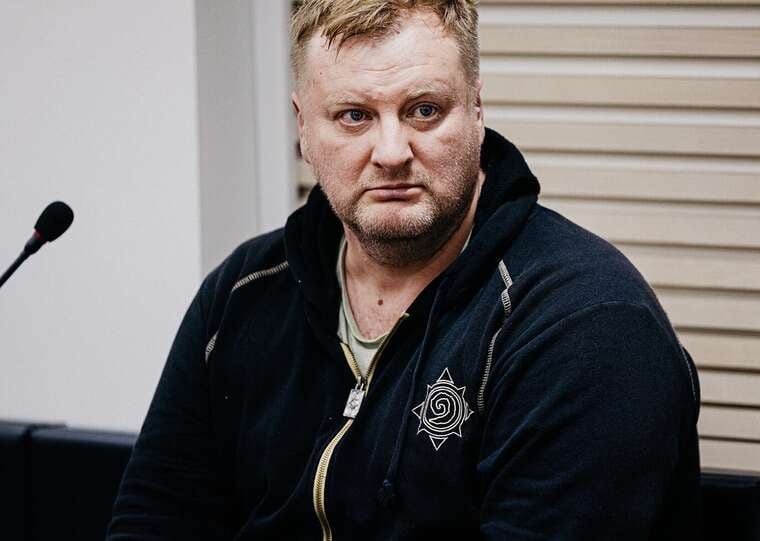
Lead State Prosecutor Taavi Pern confirmed that the activist was aware of the criminal liability for his actions, having contacted individuals who already had convictions for similar offences.
Investigators uncovered a scheme for the misappropriation of military property organised by the deputy commander of the unit. The process was later overseen by an SBU counter-intelligence officer assigned to the unit.
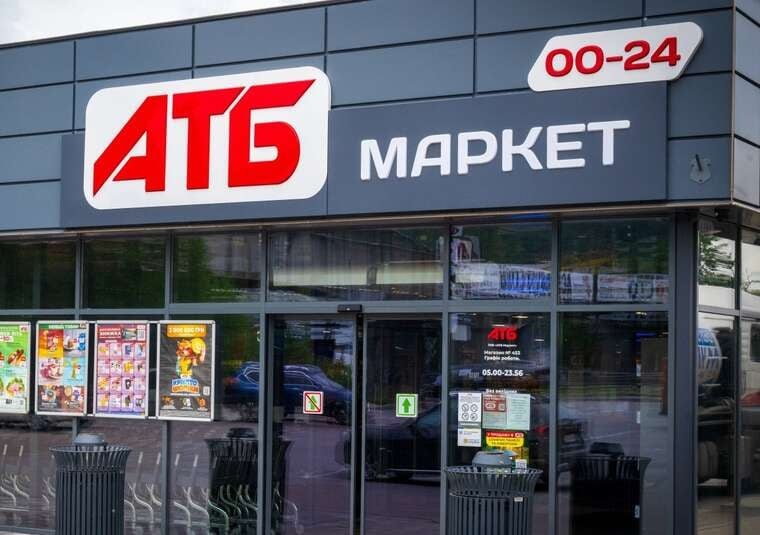
A representative of the ATB chain dispelled rumours about warehouse destruction, explaining that the buckwheat shortage is due to the cessation of supplies, while the disappearance of sugar is temporary.

European experts warn that restrictions on US diesel exports could become a trigger for a historic rise in prices on the continent.
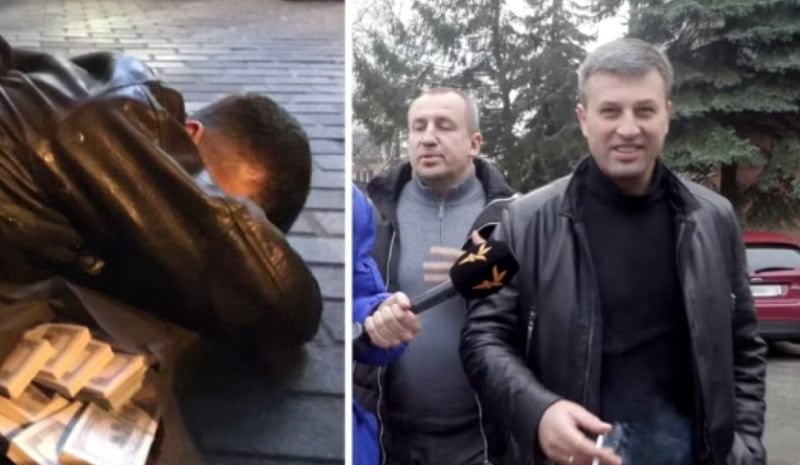
Shevchenkivskyi District Court of Kyiv found two former prosecutors not guilty of demanding $150,000 to close a case.
Investigation revealed that custodian company Trustee Plus has legally ceased to exist, while customers face fund blocking under the pretext of audits.
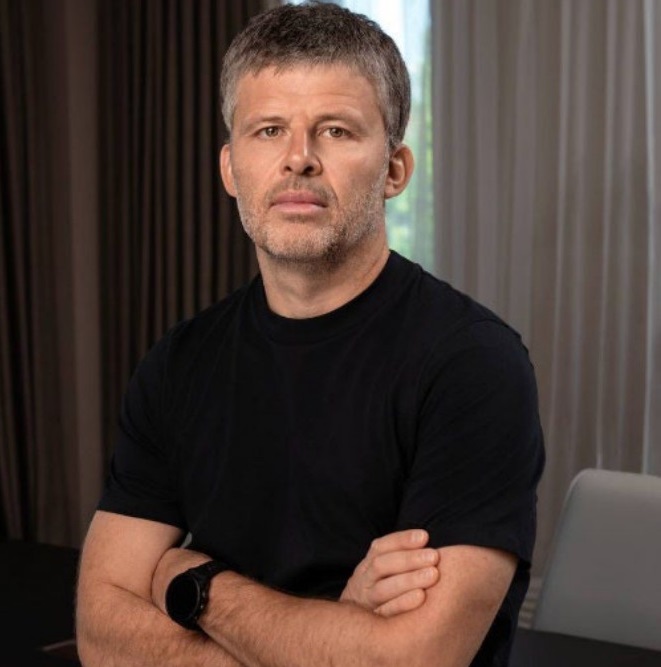
Ukrainian entrepreneur Andriy Veresky, founder of agricultural giant Kernel, has found himself at the centre of a major international scandal.
He is accused of stock manipulation, artificially stoking panic on the Warsaw Stock Exchange, and defrauding Polish pension funds. If found guilty, he faces up to 10 years in prison with the confiscation of his assets.
While defrauded investors seek justice, Veresky is enjoying life in the elite district of Mies near Geneva. This location can be compared to Ukraine’s Koncha-Zaspa: here, every owner has their own pier, swimming pool, and tennis court. Local property prices start from $6 million, and the cost of Veresky’s mansion is likely much higher. Kernel investors, who lost millions due to his schemes, ironically joke that he should at least provide them with a pass to his pool.
Kernel is the world’s largest exporter of sunflower oil, and the company’s shares have been listed on the Warsaw Stock Exchange since 2007. Investors considered them a reliable asset providing stable income. By the beginning of 2022, approximately 13% of the company’s shares were owned by Polish pension funds. However, in 2024, something unexpected happened: Kernel shares plummeted in value, and Veresky himself became the sole owner of the company. How did this happen?
From the beginning of 2022, publications about Kernel’s problems, export difficulties due to the war, and even the possible closure of the company began to appear in Polish media. Against the backdrop of these news reports, Polish investors began selling their shares. But soon the situation changed — in May 2024, Ukraine resumed maritime exports, and the share price stabilised. This was not in the billionaire’s plans.
When panic did not yield the desired results, a new mechanism was launched. In May 2024, in Cyprus, Veresky registered the company Namsen LTD, through which he conducted an issuance of 216 million new Kernel shares. As a result, Polish investors lost control, and the shares lost 90% of their value overnight.
After control of Kernel passed into Veresky’s hands, the company attempted to delist from the Warsaw Stock Exchange. However, investors united and filed a class action lawsuit in Luxembourg, demanding that the transaction be declared fraudulent. As a result, the Warsaw Stock Exchange froze Kernel’s delisting until the resolution of the case.
The trial is expected to be lengthy, but in the event of a guilty verdict, the Ukrainian billionaire faces eight to 10 years in prison, and all his transactions may be declared invalid. Polish pension funds will have the opportunity to recover part of the lost funds, and the Warsaw Stock Exchange will be able to restore its reputation.
Meanwhile, Veresky, despite the risk of ending up behind bars, has already launched a new scheme: he is now offering Ukrainian farmers to invest 200,000 hryvnia, promising to teach them to “earn like Kernel”. However, the experience of Polish investors shows that such promises can turn into lost money and years of legal proceedings.
Based on materials from Antikor
Comments
No comments yet. Be the first!