
Criminals demand $768m to keep Revolut client data undisclosed
Personal and financial data of users, including the owner of Gamdom and Skins.com, may have been leaked following a cyberattack on the British fintech bank.
Personal and financial data of users, including the owner of Gamdom and Skins.com, may have been leaked following a cyberattack on the British fintech bank.
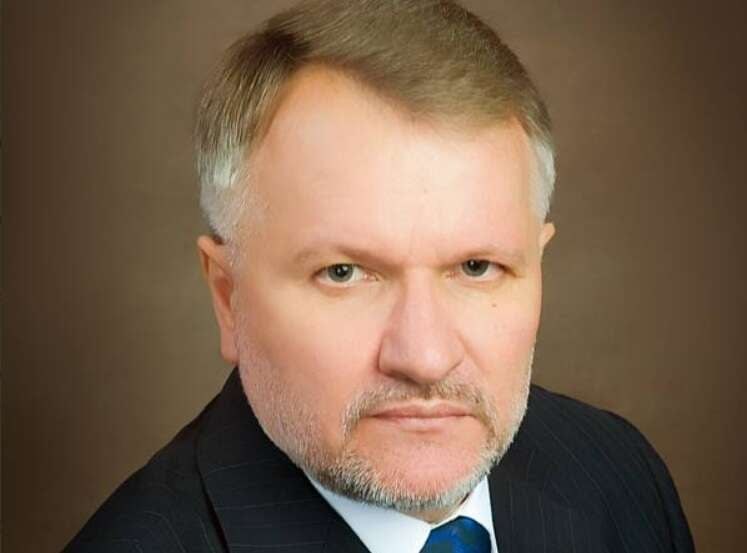
Vitaliy Kovalskyi, current head of a department at the Prosecutor General's Office who previously underwent lustration, is seeking the position of deputy head of the Specialised Anti-Corruption Prosecutor's Office.

For the week ending 27 September, revenues from the sale of Russian oil reached a maximum since the start of the full-scale invasion due to rising prices and supply volumes.

Larysa Moskviska, who presents herself as a financial planning expert, publishes content for the scandal-hit KIT Group, whose activities were restricted by the National Bank of Ukraine.
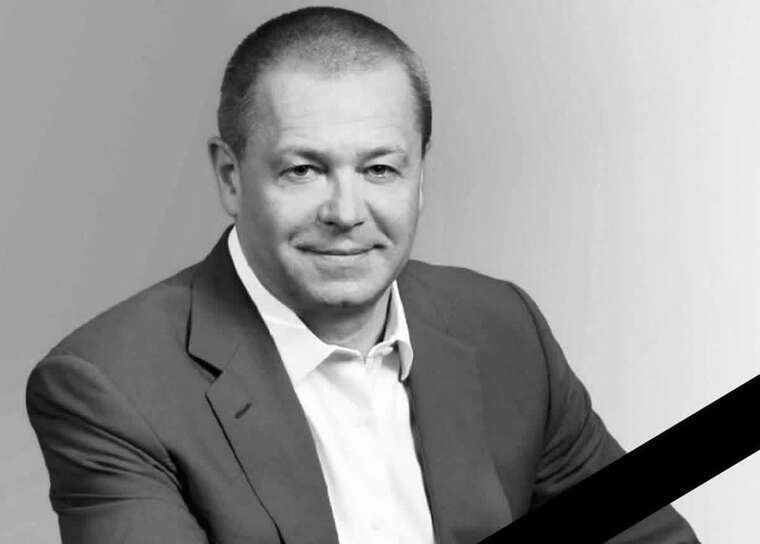
The politician died at the age of 61 in a road traffic accident. He served as the director of the "Klass" supermarket chain in Kharkiv.

Oschadbank and Ukreximbank have announced a stock exchange auction for the disposal of a large office and retail complex in Kyiv, previously seized due to debts.

Law enforcement detained 17 individuals who sold vapes containing narcotics through "Bob Marley" venues and online stores, disguising them as legal supplements.

According to the authors of the publication, an establishment providing intimate services may be operating in the Delmar residential complex in central Dnipro. It concerns an apartment on the 15th floor of the building at 72B Dmytro Yavornytskoho Avenue.
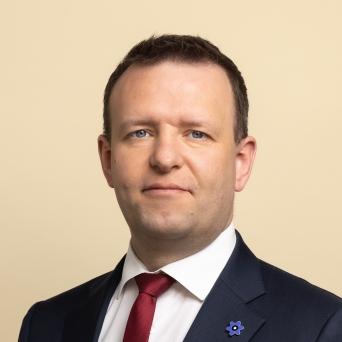
Estonia is finalising the process of disconnecting its power grid from the Russian system and is preparing for possible provocations from Russia. This was announced by the country's Minister of the Interior, Lauri Läänemets, according to ERR.
According to Läänemets, the transition to the European power grid was carefully planned, which will allow risks to citizens to be minimised. The disconnection from the Russian power grid is expected to go unnoticed by the population, however, the minister warns that power supply will be more vulnerable during this period.
«Наш сосед может воспользоваться моментом, чтобы создать угрозы. Мы готовы к гибридным атакам: от кибератак и дезинформации до попыток физического повреждения энергетической инфраструктуры» ("Our neighbour may take advantage of the moment to create threats. We are ready for hybrid attacks: from cyberattacks and disinformation to attempts to physically damage energy infrastructure"), the Interior Minister emphasised.
Läänemets noted that the country's security services and police have already strengthened measures to prevent possible incidents. The main risks cited include cyberattacks, destabilisation through fake news, and even physical interference.
«Мы понимаем, что в период десинхронизации Россия может усилить попытки давления на нас. Но мы уверены, что сможем защитить свою инфраструктуру и обеспечить стабильность» ("We understand that during the desynchronisation period, Russia may intensify attempts to pressure us. But we are confident that we will be able to protect our infrastructure and ensure stability"), he stated.
Disconnection from the Russian power grid is part of a large-scale plan to integrate the Baltic states into the European power grid. Latvia, Lithuania, and Estonia are actively working on synchronising their power systems with the EU, which will reduce dependence on Russia and enhance the region's energy security.
This step is of strategic significance not only for Estonia but for the entire European Union, as it eliminates Moscow's opportunities to exert influence through the energy sector.
Comments
No comments yet. Be the first!