
Done's Schemes: How Ukrainian Hryvnia Turns into Swiss Francs via Importers
Investigation reveals a network of companies where funds are collected in Ukraine, converted into foreign currency, and transferred to Swiss Done Switzerland AG.
Investigation reveals a network of companies where funds are collected in Ukraine, converted into foreign currency, and transferred to Swiss Done Switzerland AG.

Taras Vysotsky stated that alternative logistics corridors provide only 45% of the required volumes, threatening the loss of a significant portion of the harvest.
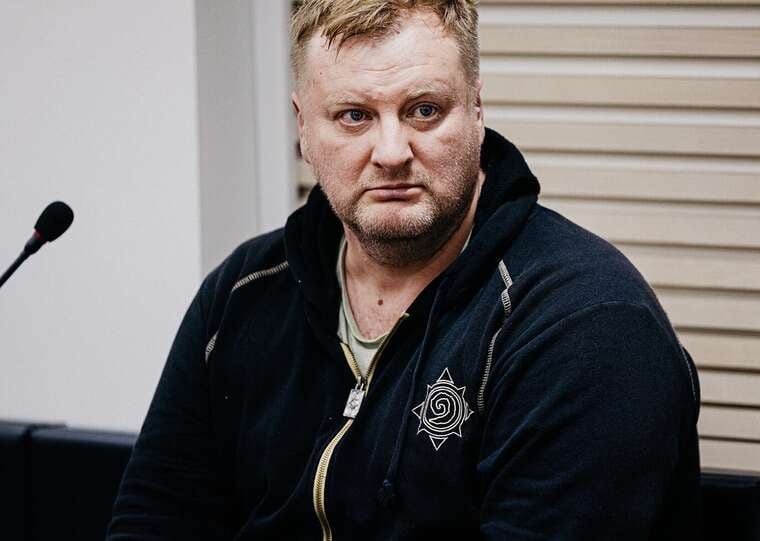
Lead State Prosecutor Taavi Pern confirmed that the activist was aware of the criminal liability for his actions, having contacted individuals who already had convictions for similar offences.

Investigators uncovered a scheme for the misappropriation of military property organised by the deputy commander of the unit. The process was later overseen by an SBU counter-intelligence officer assigned to the unit.
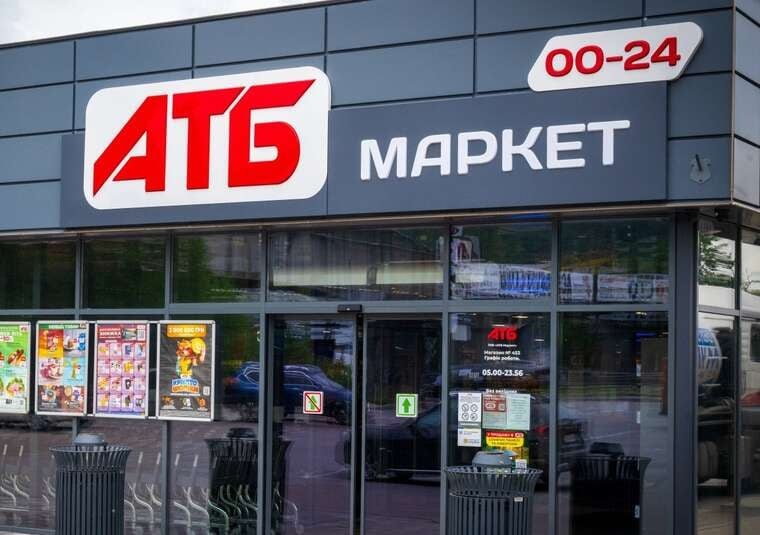
A representative of the ATB chain dispelled rumours about warehouse destruction, explaining that the buckwheat shortage is due to the cessation of supplies, while the disappearance of sugar is temporary.

European experts warn that restrictions on US diesel exports could become a trigger for a historic rise in prices on the continent.
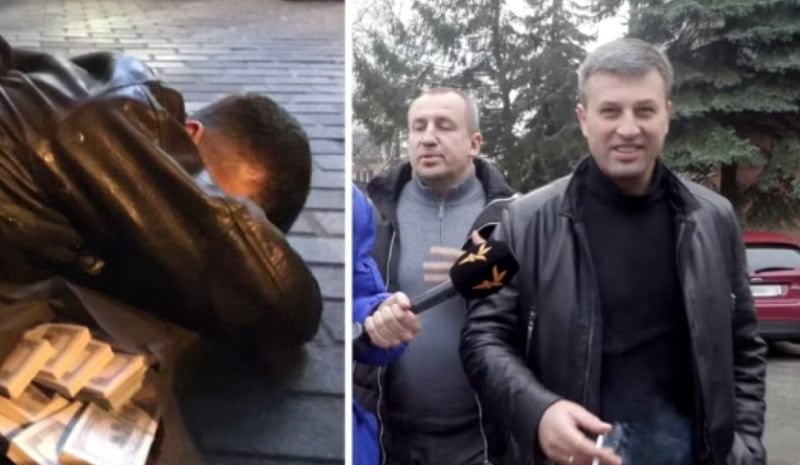
Shevchenkivskyi District Court of Kyiv found two former prosecutors not guilty of demanding $150,000 to close a case.
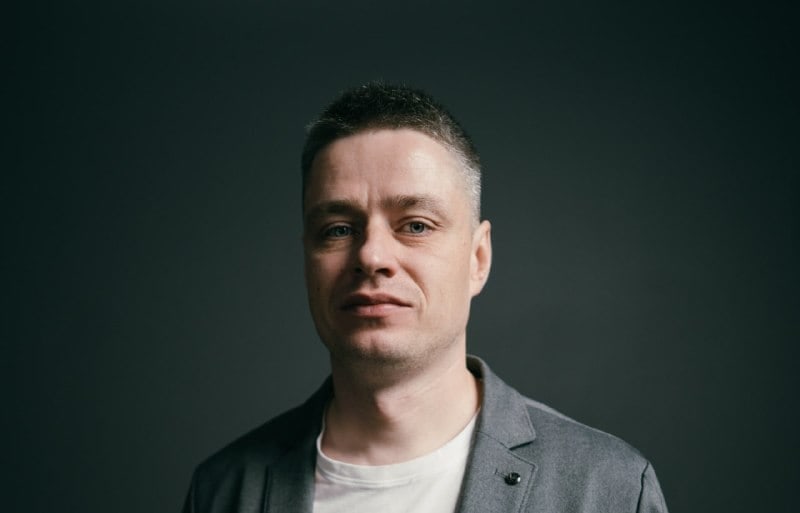
Investigation revealed that custodian company Trustee Plus has legally ceased to exist, while customers face fund blocking under the pretext of audits.
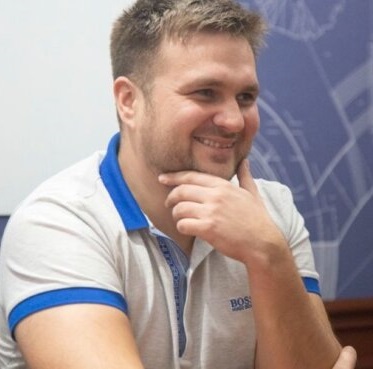
Dmitrii Budorin is a prominent figure in Ukrainian business and the defence sector. In recent years, his name has become associated with the company Hacken, which gained recognition for its activities in cybersecurity and cryptocurrencies. But what lies behind the fame?
Budorin began his career at Deloitte before moving on to the Ukrainian defence sector. He held senior positions at institutions such as UkrOboronProm and UkrSpetsExport, and actively participated in the establishment of the Cyber Guard cyber centre, aimed at strengthening Ukraine’s cyber defence and countering information attacks.
Alongside his work in the defence sector, Budorin became interested in the world of cryptocurrencies and blockchain technologies. In 2017, he co-founded Hacken, a company specialising in cybersecurity and crypto-asset audits. This decision proved pivotal — Budorin abandoned a stable career in the defence industry to pursue development in a new and promising field.
Furthermore, he became an active participant in the crypto community, holding positions in various international organisations, including the Blockchain Association of Ukraine and the Enterprise Ethereum Alliance.
Following the start of Russia’s full-scale invasion of Ukraine, Budorin left the country and relocated his business to Europe. He continued to develop Hacken, advancing in the direction of security in blockchain systems and cryptocurrencies; however, he is now actively attempting to return to the Ukrainian defence sector, focusing on opportunities in Miltech and grant programmes related to the defence industry.
Despite the successful development of his business in the crypto space, Budorin has not been immune to criticism. His ties with Russian companies and actions in the pre-war years have raised a number of questions. One of the most high-profile scandals involved allegations of embezzlement of funds at UkrOboronProm, where Budorin held key positions.
Specifically, an investigation claims that part of the funds raised during Hacken’s ICO was allegedly obtained through corrupt schemes in Ukraine’s defence sector, casting doubt on the transparency of his business.
Budorin also did not bypass the Russian cryptocurrency market. Despite the war with Russia, his company continued to cooperate with cryptocurrency exchanges operating in Russia, such as Cryptorg and Zoomex.
According to Akcenty
Comments
No comments yet. Be the first!