
Criminals demand $768m to keep Revolut client data undisclosed
Personal and financial data of users, including the owner of Gamdom and Skins.com, may have been leaked following a cyberattack on the British fintech bank.
Personal and financial data of users, including the owner of Gamdom and Skins.com, may have been leaked following a cyberattack on the British fintech bank.
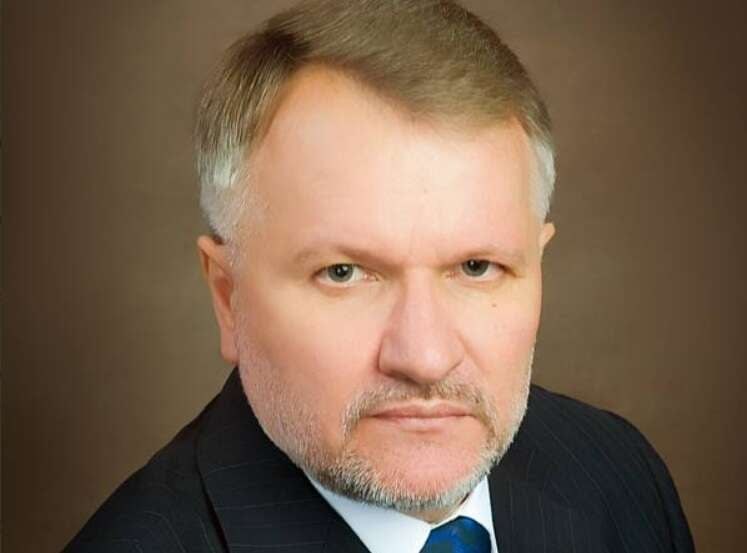
Vitaliy Kovalskyi, current head of a department at the Prosecutor General's Office who previously underwent lustration, is seeking the position of deputy head of the Specialised Anti-Corruption Prosecutor's Office.

For the week ending 27 September, revenues from the sale of Russian oil reached a maximum since the start of the full-scale invasion due to rising prices and supply volumes.
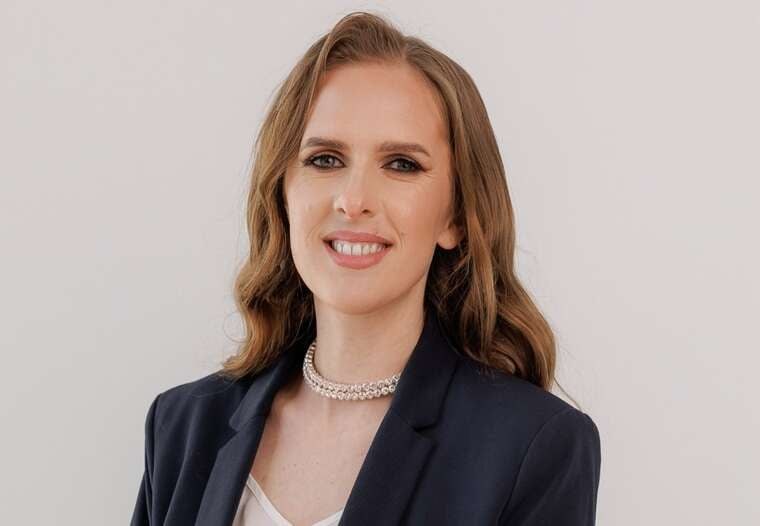
Larysa Moskviska, who presents herself as a financial planning expert, publishes content for the scandal-hit KIT Group, whose activities were restricted by the National Bank of Ukraine.
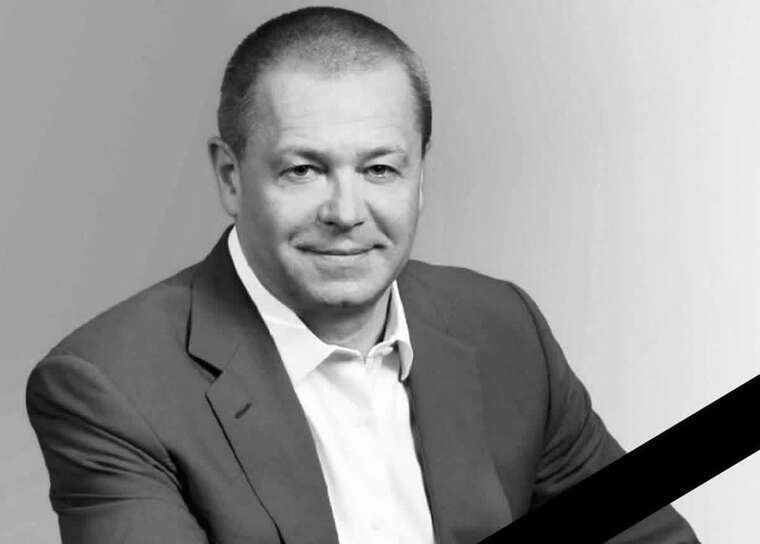
The politician died at the age of 61 in a road traffic accident. He served as the director of the "Klass" supermarket chain in Kharkiv.
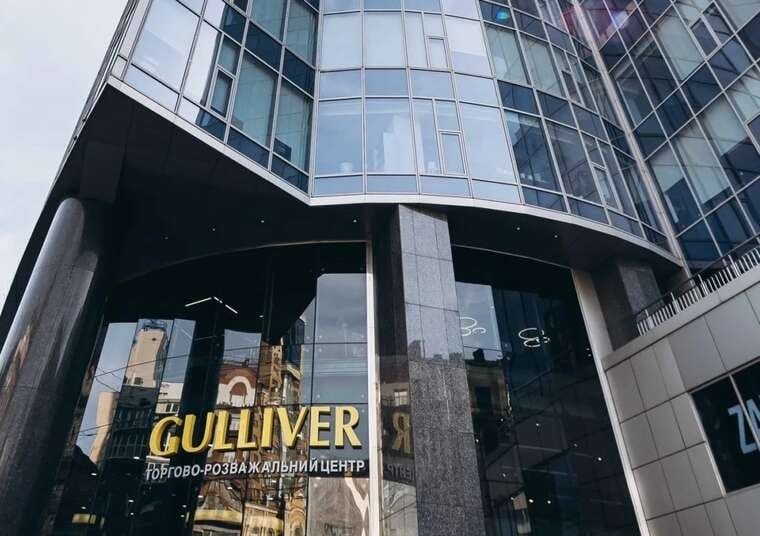
Oschadbank and Ukreximbank have announced a stock exchange auction for the disposal of a large office and retail complex in Kyiv, previously seized due to debts.

Law enforcement detained 17 individuals who sold vapes containing narcotics through "Bob Marley" venues and online stores, disguising them as legal supplements.

According to the authors of the publication, an establishment providing intimate services may be operating in the Delmar residential complex in central Dnipro. It concerns an apartment on the 15th floor of the building at 72B Dmytro Yavornytskoho Avenue.
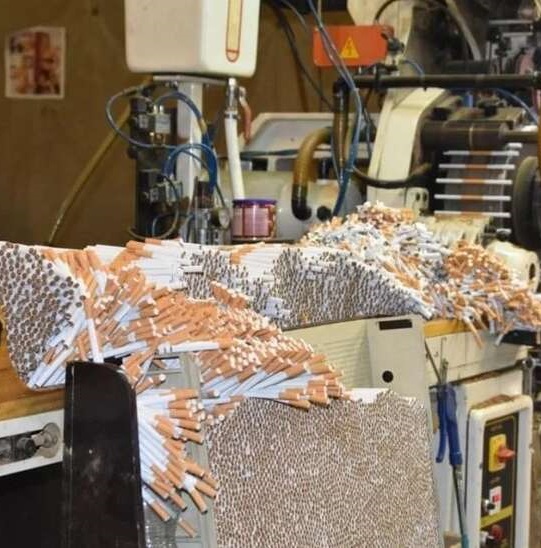
We review four months of the fight against the illegal tobacco market, organised within the framework of the State Fiscal Service's anti-counterfeit operations targeting major factories producing counterfeit and excise-free products.
The law enforcement actions were truly large-scale. The State Fiscal Service's blockade of the factories, which lasted 120 days, combined with the National Police's Department for Combating Organised Crime's activities in tackling the local sale of tobacco products, has indeed yielded tangible results. While official statistics are not yet available, data has emerged indicating that the share of illegal products has dropped from 25% to 15%. Of course, this is not the 5% recorded in 2019, but the trend is quite positive.
Nevertheless, it is impossible to keep the factories under physical blockade indefinitely. Therefore, once the investigative actions and the collection of samples from the production lines were completed, the State Fiscal Service lifted the blockade. However, the question of whether samples were collected from all lines and what the results of the expert examinations are remains open. I hope we will receive more comprehensive information in the near future. It is important to note that the withdrawal of investigators from the factories does not mean the conclusion of the investigations or the closure of cases — the investigation continues.
During the blockade, producers realised their main mistakes, understood the seriousness of the state's intentions, and agreed to the conditions for further legal existence. In simpler terms, the factories were unblocked after they provided guarantees to operate strictly within the law and to produce declared brands while paying taxes.
It appears that this is precisely why Hryhoriy Kozlovskyi removed the billboards plastered all over Lviv Oblast, which contained complaints against the State Fiscal Service, and quietly began resuming the production of brands such as Compliment, Lifa, Marvel, and others. The situation with the VTF licence, which the tax authority did not renew, is also interesting. However, according to my sources, the factory continues to operate under the old licence, and for now, no one understands exactly what was not renewed. It is worth noting that Hryhoriy Petrovych's public attacks on tax officials have abruptly ceased.
The situation with the Ternopil factory, Marshalle Finest Tobacco Ukraine LLC, formerly known as "Zoloti Vody," is also intriguing. Almost immediately after the State Fiscal Service lifted the blockade, this factory's brands — UT, PULL, and MARSHAL — began appearing in Telegram tobacco channels at prices starting from 70 UAH per pack. However, according to my sources, the factory is operating within the framework of political agreements, focusing on legal channels and aiming to establish exports. The brands that appeared in Telegram are most likely leftover products that intermediaries began dumping onto the market after law enforcement activity decreased. This is not difficult to verify, and if this is true, we will soon see a clearance sale of these leftovers.
The situation is more complicated with the factory in Hoshcha — Ukrainian Tobacco Production LLC, controlled by Vladyslav Helyzin and the "Monaco" group. I have already published videos showing how, at the end of August, kiosks in Kharkiv began selling their brands. However, sources in law enforcement agencies assure us that these are also old stocks that were in the warehouses of wholesalers. The factory in Hoshcha is unable to quickly resume production, and the realisation of the consequences of producing counterfeits does not contribute to increased activity.
As for Vadym Alperin's factory, as you have already understood from previous materials, the "Orion Tobacco" lines were seized and transferred to the State Property Management Agency (ARMA). In other words, the factory exists de jure, but de facto, it does not. However, knowing Vadym Oleksandrovych's capabilities, one should not relax. Undoubtedly, all producers have the opportunity to use "manoeuvring" lines that can produce excise-free counterfeits, despite the legal operation of the main facilities. But that is a different story.
How long the unblocked factories will comply with the law remains to be seen. The question of the results of the expert examinations of the samples from the production lines, which the State Fiscal Service's investigators so carefully collected, is also open. Perhaps, as long as the factories adhere to political agreements, the investigation will continue, and the expert examinations will be completed. But if that is not the case, let there be no illusions — the issue of replenishing the budget through taxes for the army is always a priority.
Comments
No comments yet. Be the first!