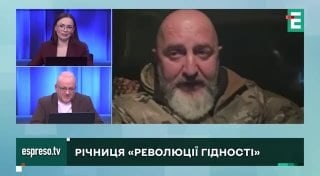
Yuriy Syrotyuk: After five years of war, society will face harsh changes
Former MP and serviceman warns that combat experience has shaped a new mindset that may cause rejection in a peaceful environment.
Former MP and serviceman warns that combat experience has shaped a new mindset that may cause rejection in a peaceful environment.

The player controlled vehicles in the new GTA instalment using technology that converts brain activity into gamepad commands.
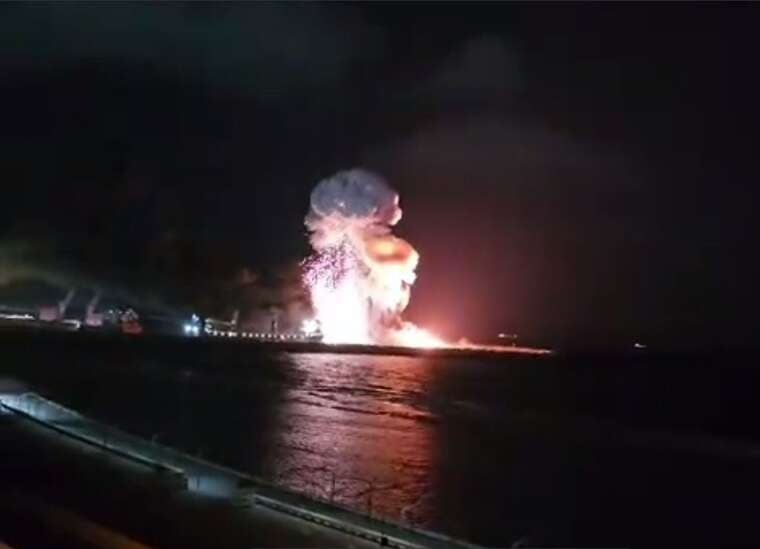
The Libyan Ministry of Foreign Affairs officially disavowed involvement in the incident involving Russian vessels and condemned the attack.
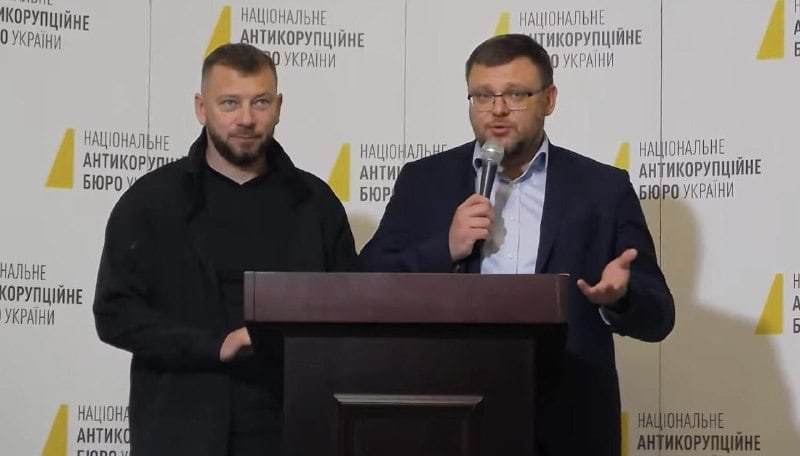
Semen Kryvonos and Oleksandr Klymenko did not appear at the parliamentary committee meeting on 23 November. An expert calls this a standard excuse for officials.
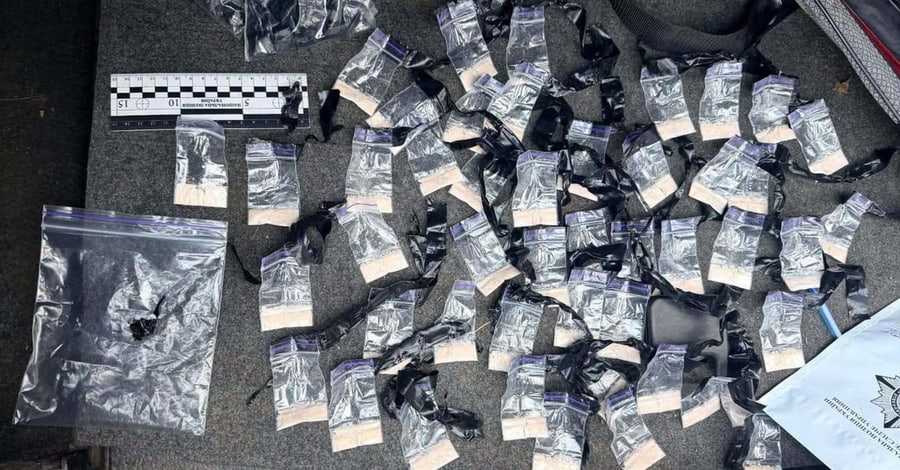
Law enforcement seized around 60 packets of prohibited substances from a 33-year-old resident of the region. He faces up to 10 years in prison.

Winter weather has set in at the popular Carpathian resort, with local peaks capped in snow.
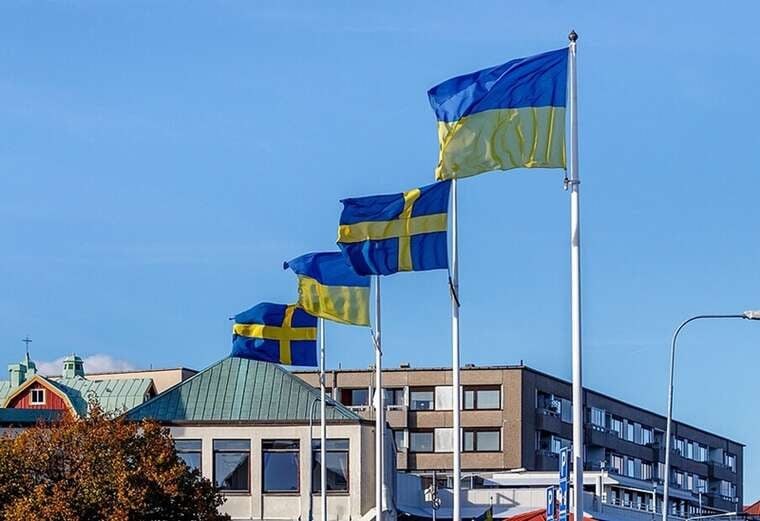
The Swedish government announced a new package of financial support to ensure Ukrainians have heat and to protect critical infrastructure from Russian strikes.
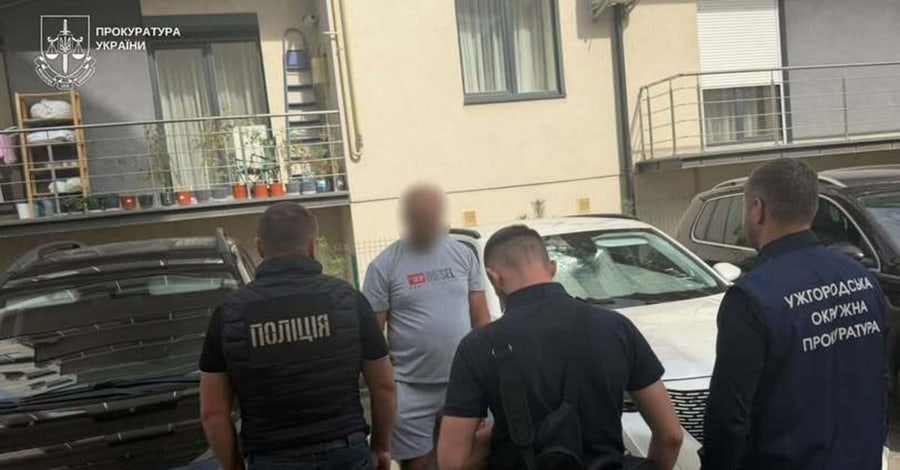
Uzhhorod City District Court will hear the criminal case against a gas station employee who received an undue benefit for arranging a conscription exemption.
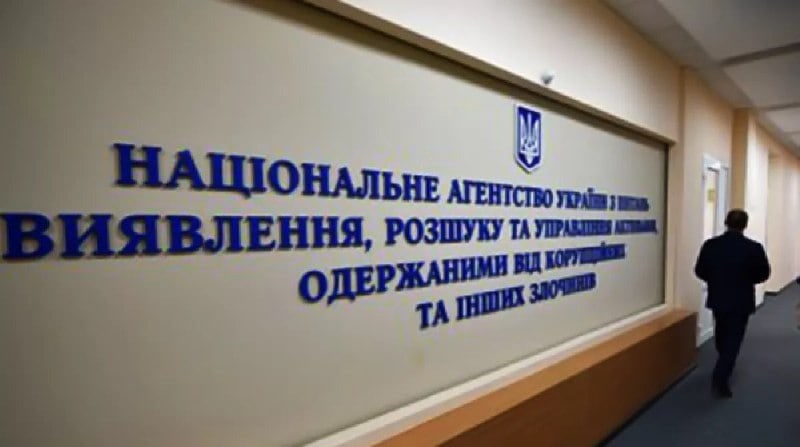
Merited Lawyer of Ukraine and attorney Vladimir Bohatyr examined the mechanism for managing seized funds worth 8.3 million USDT, which are under the control of the Agency for the Recovery and Management of Assets (ARMA). The lawyer noted that the declared balance of funds cannot be directly verified on the blockchain.
On 27 October, in response to the lawyer's inquiry, representatives of the Agency sent a written message stating the address of their wallet on a crypto exchange. The conducted check established that this is not an individual wallet, but a general exchange address. Moreover, this identifier belongs to the XRP network, not USDT.
The investigation showed that this specific address appears in 59 documents from 26 declarants. Among them are judges and detectives from the National Anti-Corruption Bureau of Ukraine (NABU). The lawyer emphasised that such a coincidence of coordinates is not proof of joint ownership of the assets or the existence of links between the declarants and ARMA. However, in his assessment, the presence of the same address in the documents of 26 individuals should serve as an obvious signal for law enforcement agencies and the National Agency on Corruption Prevention (NACP), which maintains the Register of Declarations.
For ARMA, this situation indicates that the assets are not stored at an address directly controlled by the state. Instead, the Agency's fund balance exists only in the exchange's internal accounting.
In August, the court authorised the exchange of these digital assets into the national currency, US dollars, or euros. However, in the expert's opinion, citing solely the volatility of cryptocurrencies is an insufficient basis for such a decision. Since USDT is pegged to the dollar, the specific asset should be assessed, not general market instability. It was noted that even after eleven weeks from the adoption of the court decision, the assets continued to remain on the exchange.
A separate issue remains the question of the possibility of disposing of physical evidence. According to legislation, such items must be stored until a verdict is delivered in a condition that allows them to be used in criminal proceedings.
The legal expert proposed adding special fields to the Register of Seized Assets to display crypto assets. He also recommended requiring confirmation of fund balances through official exchange statements and legally establishing the procedure for selecting a platform for storing such assets.
Comments
No comments yet. Be the first!