
Blogger Simbochka spoke about addiction and overdose: "I was running away from problems"
Ukrainian public figure admitted that she used to consume alcohol and prohibited substances in the past, and also experienced an overdose.
Ukrainian public figure admitted that she used to consume alcohol and prohibited substances in the past, and also experienced an overdose.
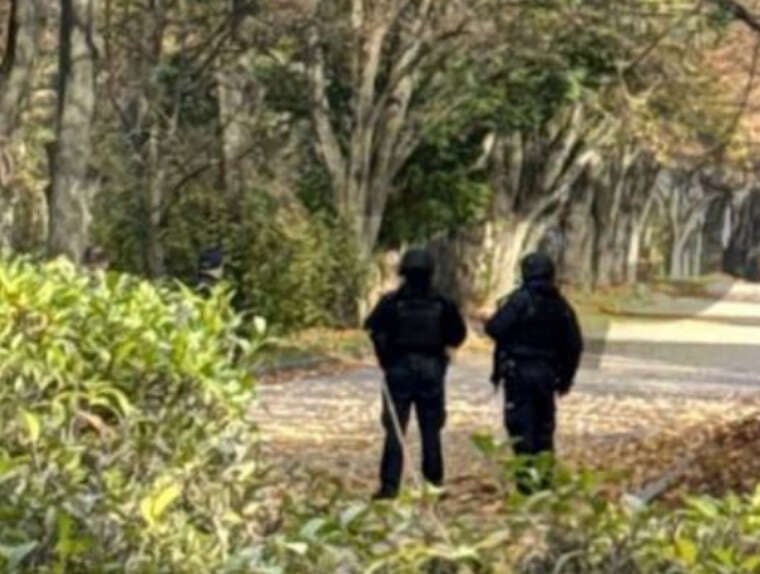
The driver, trying to evade law enforcement, was involved in an accident. After the collision, he attempted to hide in a retail establishment but was detained.
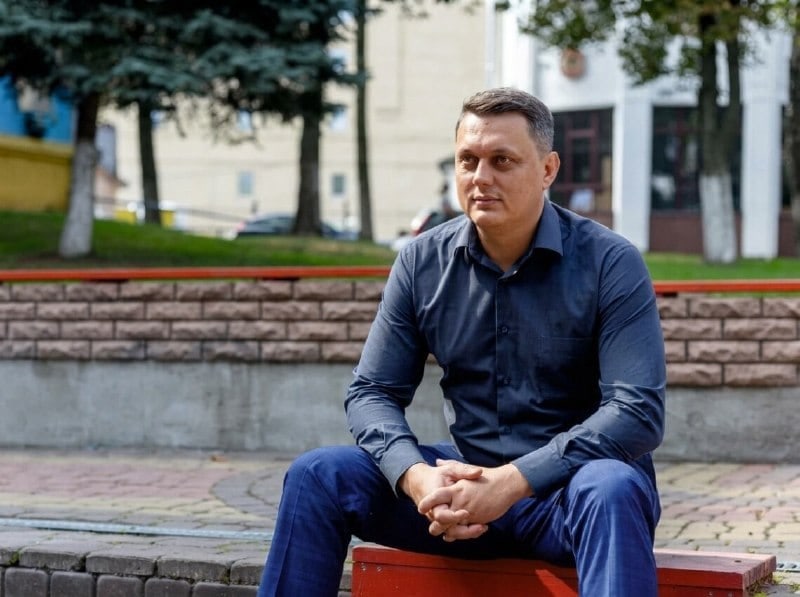
Mykola Fedik pleaded guilty under parts 3 and 4 of Article 368 of the Criminal Code and agreed to cooperate with the prosecution. The court confiscated UAH 500,000.
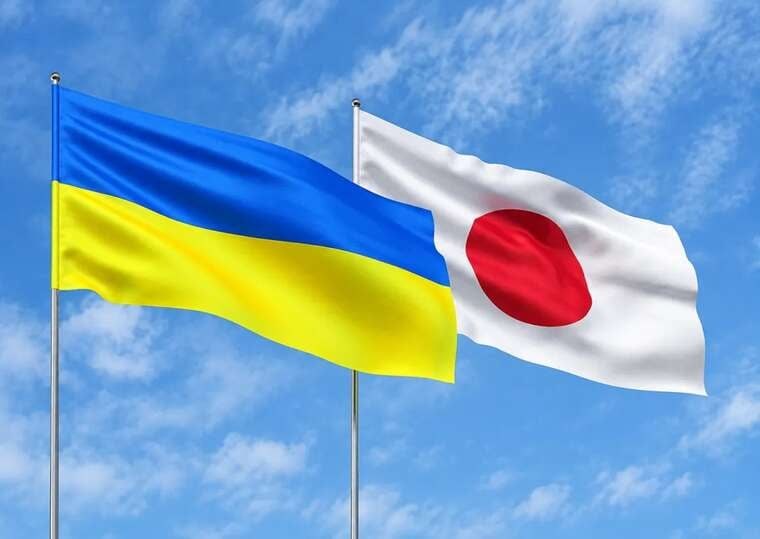
Prime Minister Serhiy Koretskyi announced the receipt of funding under the RISE and SURGE programmes. The funds are allocated for business development and climate recovery.
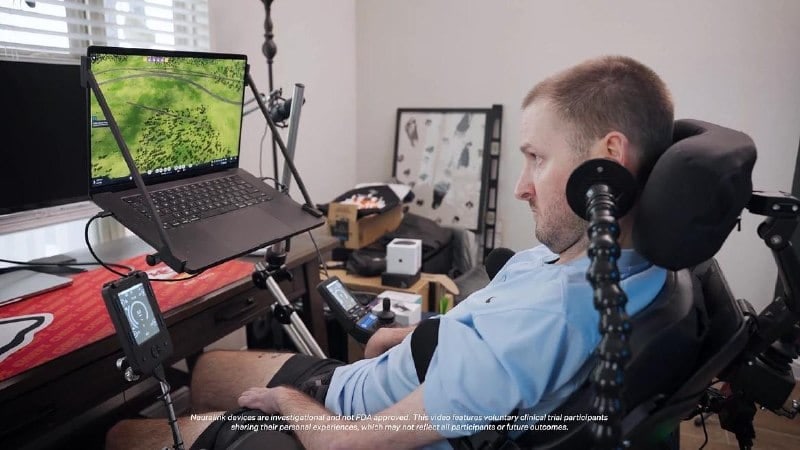
The US Food and Drug Administration has approved the start of the LINK Pivotal Study, which will be the first key step towards bringing the neurointerface to market.
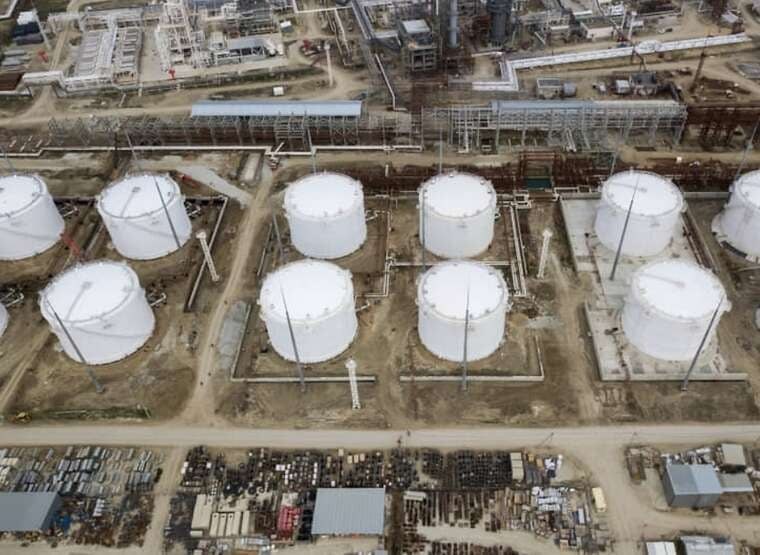
Drone attack on oil refinery in Krasnodar Krai damaged storage tanks, causing fire and oil spill.
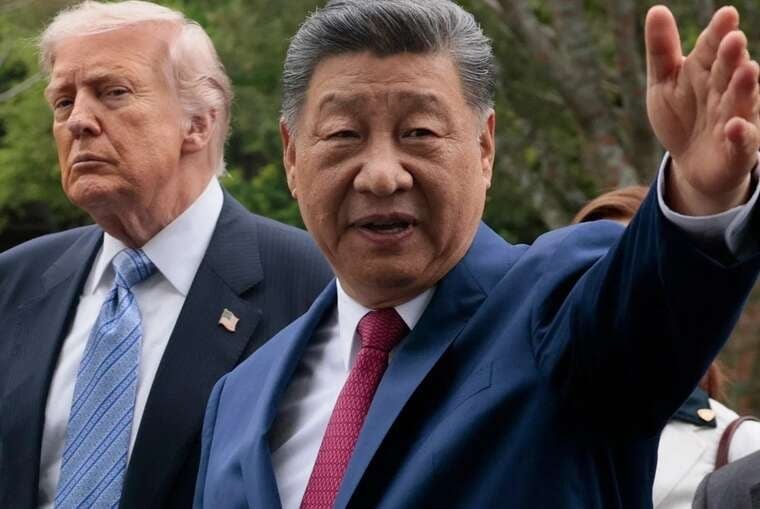
Moscow agreed to the inclusion of the European side in the negotiation process, which will take place in a four-party format.
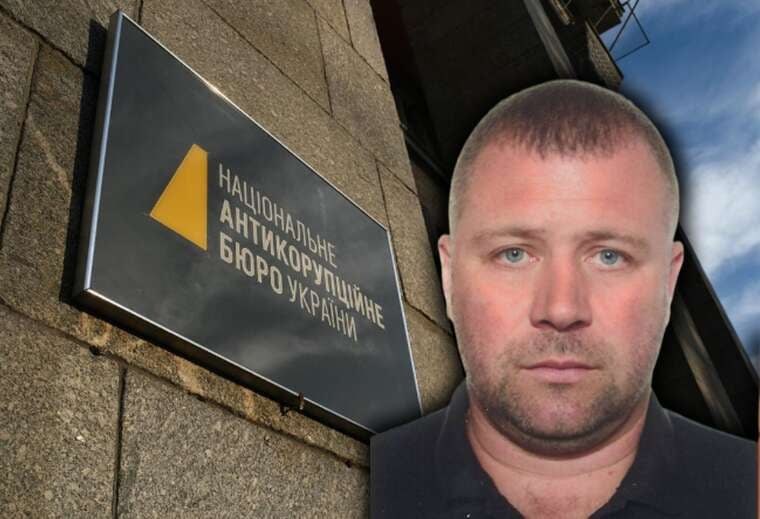
Court set 17 December for merits hearing of SAP's claim to deprive Opposition Platform — For Life deputy Anatoliy Hrytsenko of assets not confirmed by income.
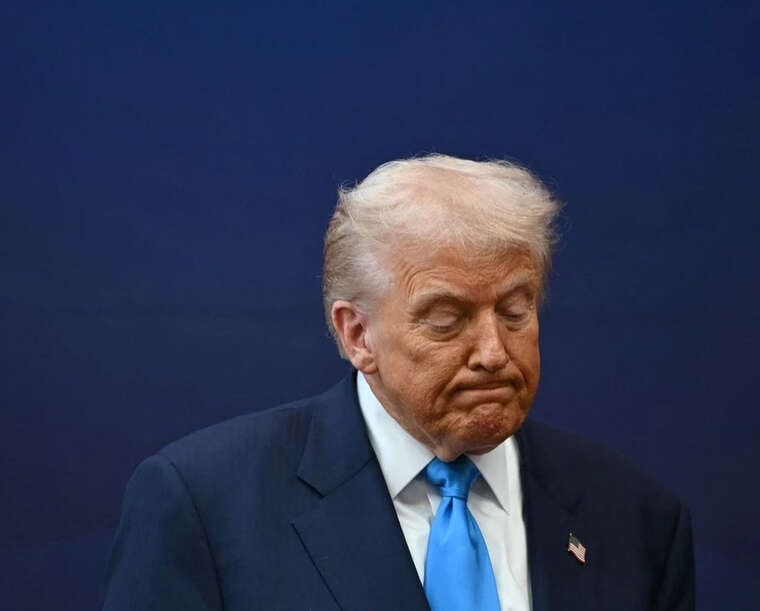
In late September, representatives of US President Donald Trump's administration, Steve Witkoff and Jared Kushner, presented Russia with a package of three significant economic incentives. These proposals involved unfreezing funds and easing sanctions pressure in exchange for a partial cessation of hostilities, which was to cover either the energy sector or maritime routes. The New York Times reported this, citing sources familiar with the details of the negotiation process.
The first item of the plan was the unblocking of billions of dollars in Russian state assets frozen by Western countries. According to the publication's data, these funds could be provided as an initial incentive even before the official signing of a ceasefire. Previously, the US side had already discussed the possibility of returning up to $100 billion to Moscow.
The second initiative involved resuming the plan to sell a stake in the Russian oil and gas company Lukoil to a consortium of investors from the Middle East. It concerned a deal of multi-billion scale, with some potential buyers having business ties with American negotiators.
The third incentive measure could have been permission for Belarus to export potash fertilisers.
Ukrainian officials, according to NYT information, were shocked by the scale of the concessions being discussed for Russia. At the same time, Kyiv did not reject the idea entirely but formulated its own demands. Ukraine proposed unfreezing Russian assets only on the condition of simultaneously allocating similar financial resources to Kyiv. An alternative option was providing additional military aid to Ukraine in case Russia violated the ceasefire regime.
The publication notes that the subsequent agreement between Donald Trump and Vladimir Putin on the supply of diesel fuel was concluded without any commitments from Russia regarding the conduct of the war against Ukraine. The NYT believes that this deal became another example of weakening Kyiv's position by providing Moscow with an economic breather, as the Kremlin did not offer any concessions regarding the war in return.
Hours after the announcement of the agreement, Russian officials stated that there would be no immediate resumption of peace negotiations. Diplomatic efforts began to scale back shortly after the arrival of Ukrainian negotiators in Miami. Before the start of the meetings, Donald Trump spoke at length by phone with Vladimir Putin. According to the publication, the negotiations between the Ukrainian and American delegations in Miami ended without achieving a breakthrough.
Comments
No comments yet. Be the first!