
Kyiv Water Utility asks capital residents to limit water consumption
Due to damage to critical infrastructure from enemy shelling, Kyiv's water supply networks are operating under increased load, requiring residents to conserve resources.
Due to damage to critical infrastructure from enemy shelling, Kyiv's water supply networks are operating under increased load, requiring residents to conserve resources.
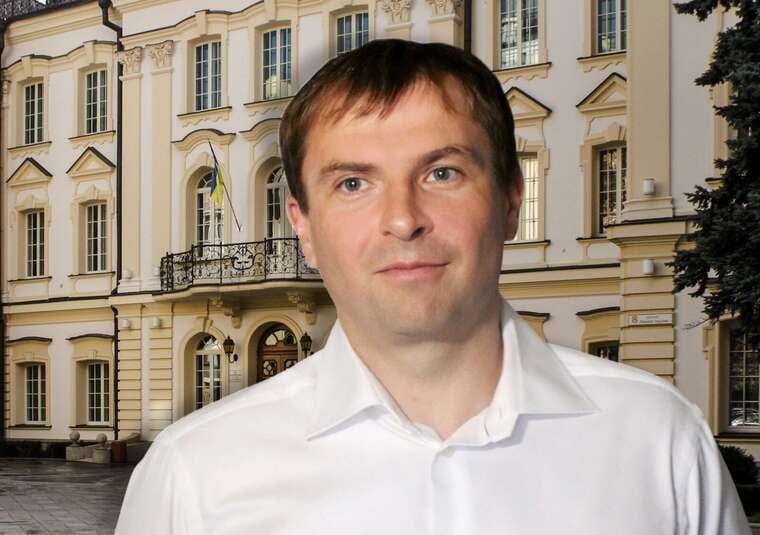
SAP head revealed that draft agreements with the former MP involved dozens of detectives and prosecutors. He also refuted allegations of contact with the convicted individual.
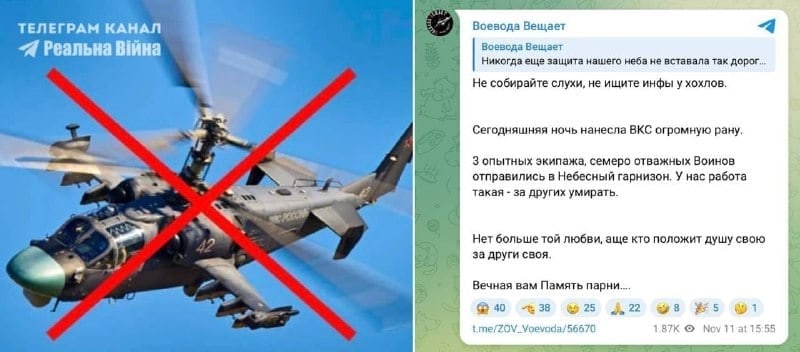
Data has emerged regarding the hitting of three MiG-31 fighters and two Su-34 strike aircraft parked at Savasleyka airbase.
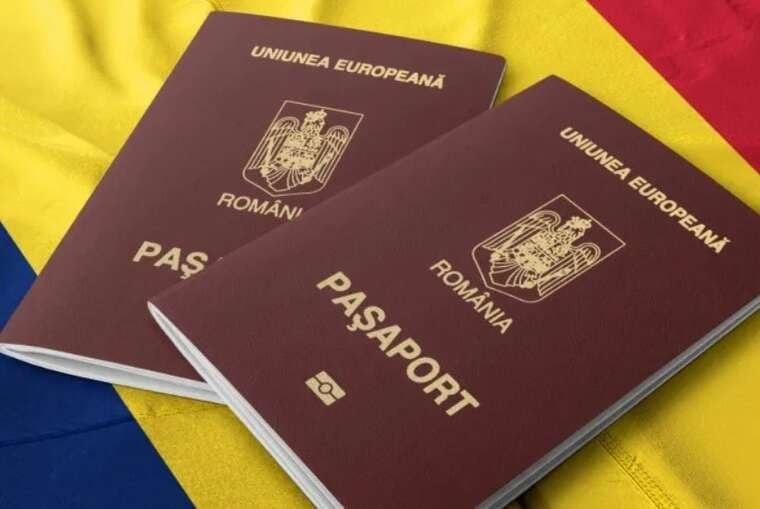
International media investigation reveals network that used forged citizenship certificates to help Kremlin-linked individuals obtain Romanian documents and access to the EU.
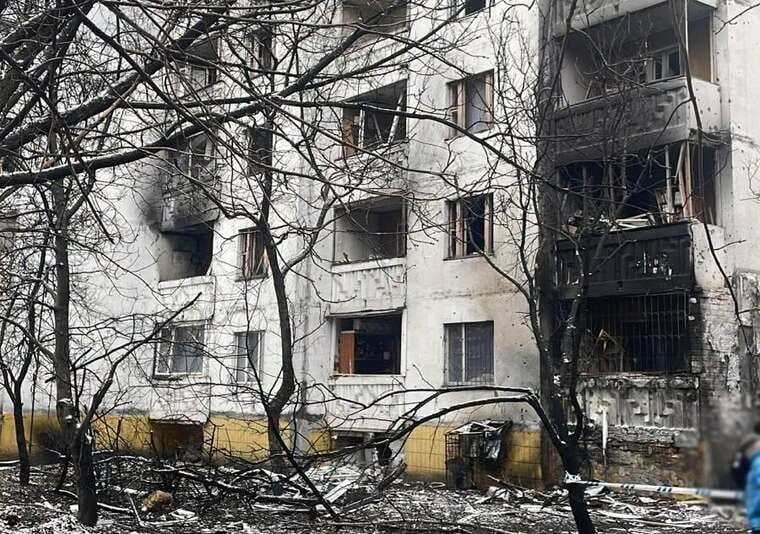
Police reported that a drone crashed in the courtyard of a residential building in the capital last evening, injuring three people.
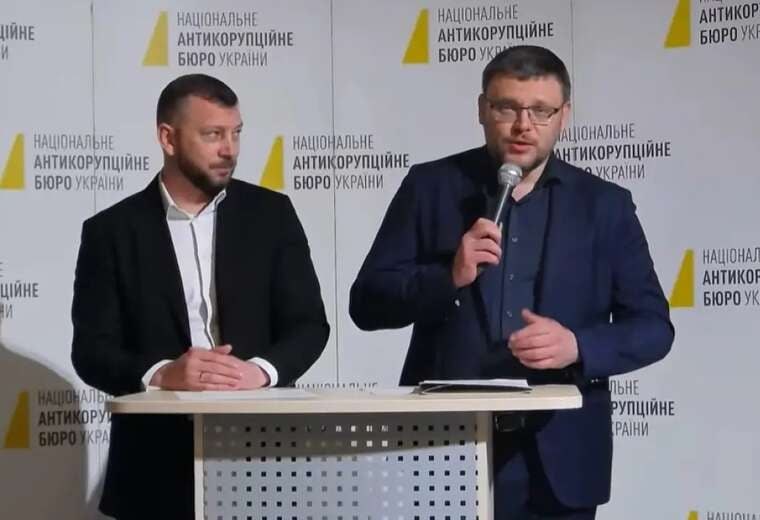
SAPO head revealed that special forces arrived at NABU to detain the Bureau's director, but no action was taken due to Kravchenko's departure from the country.
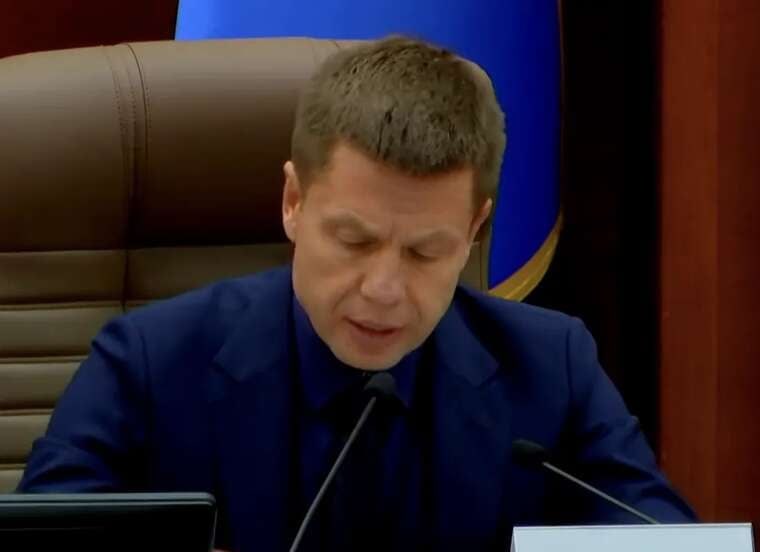
Parliamentary committee chair reported calls from anti-corruption agency heads asking MPs to ignore the TSC session in the "Carthage" case.
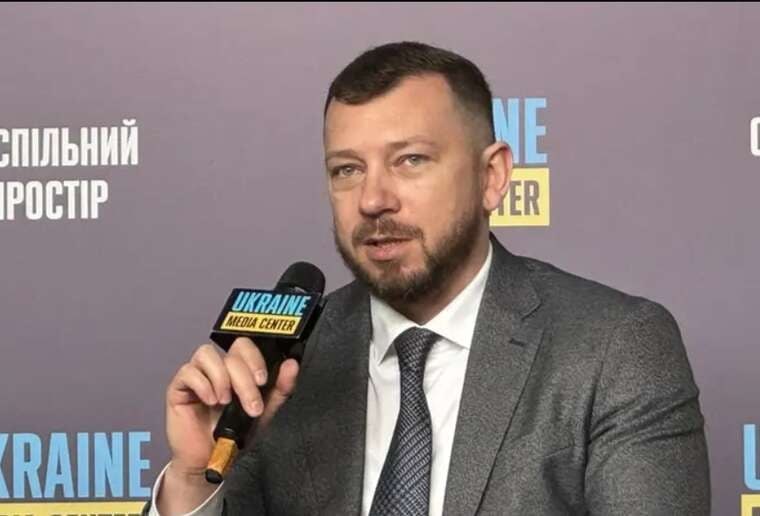
Head of the Special Anti-Corruption Prosecutor's Office stressed that the publication of data on crimes depends solely on the readiness of the evidentiary base, not the political calendar.
Romanian prosecutors believe that a criminal network operated in the country, helping Kremlin-linked Russians, as well as Moldovan and Ukrainian citizens, fraudulently obtain Romanian birth certificates and register fictitious addresses across the entire territory of Romania. Based on these documents, Romanian citizenship was issued, granting the right to enter and reside in the EU.
Details of the scheme became known from an investigation published on 23 November. It involved Romanian publications Follow the Money and Public Record, Ukrainian The Kyiv Independent, French Le Monde, Moldovan CuSens, and Slovak Ján Kuciak Investigative Centre. Journalists documented how a network of intermediaries and officials used forged certificates of Romanian citizenship to issue genuine national documents. Presumably, such certificates were issued by Romanian diplomatic missions or agencies dealing with citizenship matters.
According to the investigation materials, the services of the fraudsters were used by influential representatives of the Russian elite. Among them:
Some of those who illegally obtained Romanian national documents made trips to the EU with the aim of establishing business structures in Slovakia, Spain, and Portugal.
It is noted that Romanian state oversight bodies had warned about the existence of such forged documents. However, the national prosecution service only opened a criminal case in 2024, when one of the Romanian citizens involved in the scheme reported the abuses.
Currently, Romanian courts are reviewing hundreds of cases in this context and annulling documents issued based on forged certificates. Since 2022, 3,255 cases of forged document processing have been identified, although the exact number of those linked to Russians is not disclosed.
Romania grants citizenship to descendants of people born in territories that the country controlled before 1940 (today parts of Moldova and Ukraine). The process involves submitting proof of ancestry to the National Agency for Citizenship (ANC) in Bucharest, a criminal record check, and taking an oath. This procedure can take years.
After successfully passing the verification, the applicant receives a citizenship certificate, on the basis of which a birth certificate is issued at the civil registry office. Subsequently, with a Romanian address, an identity card is processed. According to the investigation, hundreds of thousands of people have legally used this mechanism.
Fraudsters often bought fictitious registrations in villages or Bucharest, although they did not live there. Until 2023, Romania had no restrictions on the number of people registered at a single address, which created convenient conditions for abuses.
Statistics show a rapid increase in interest from Russian citizens in Romanian identity cards:
For the period from February 2022 to October 2026, the ANC approved 1,737 applications from Russians, but only 378 applicants actually took the oath at this agency. The agency does not have complete data on the number of oaths taken at foreign diplomatic missions.
After the start of Russia's full-scale war against Ukraine, entry of Russian Federation citizens into the EU became significantly more difficult.
Comments
No comments yet. Be the first!