
Tel Aviv-Vienna flight makes emergency landing in Sofia over bomb threat
An Austrian Airlines plane changed course near the Romanian border after receiving threat information. Bulgarian fighter jets were scrambled.
An Austrian Airlines plane changed course near the Romanian border after receiving threat information. Bulgarian fighter jets were scrambled.
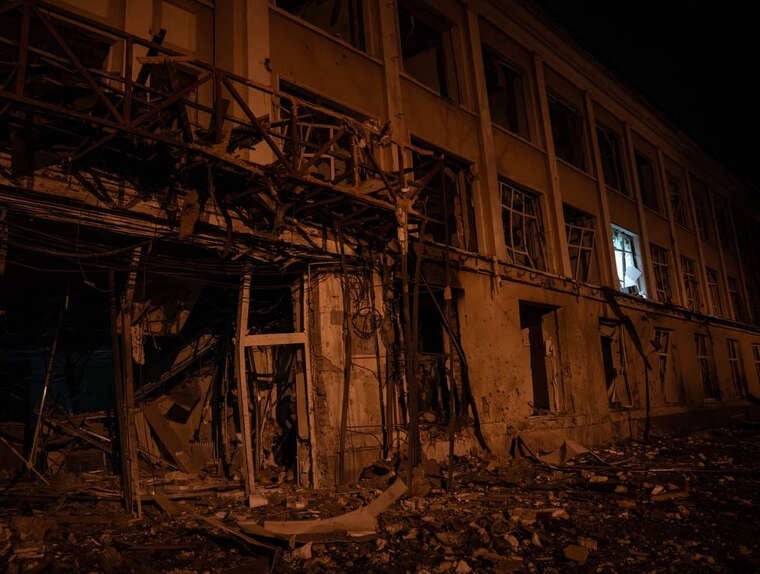
Ukraine's Prime Minister reported that civilian facilities, including medical warehouses and railways, were damaged in Russia's massive overnight strike.
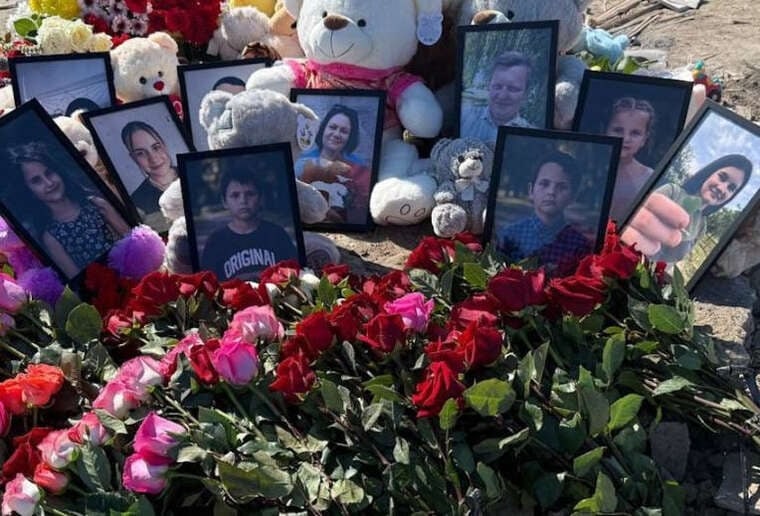
The bodies of the children from Dnipropetrovsk Oblast, who died in July 2026, were identified via DNA. The burial is scheduled for the current month.
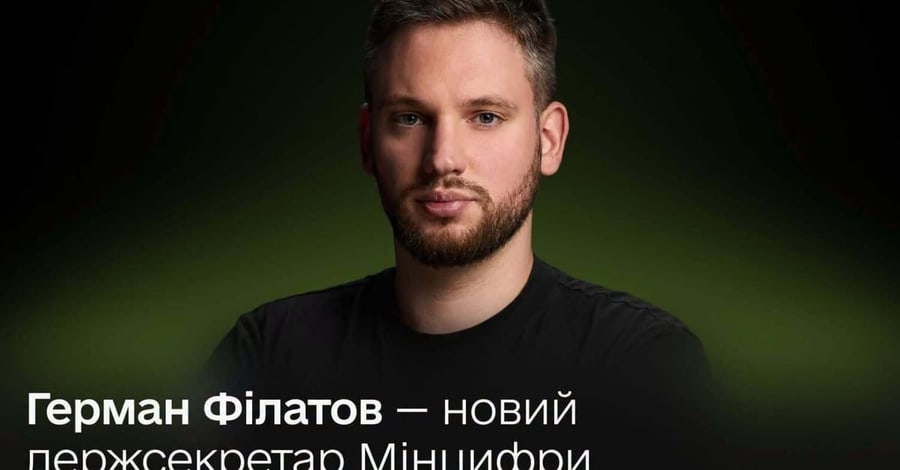
Konstantyn Korshun questioned the professional competence of the new official, citing his education and career in the culture and infrastructure sectors.

Infrastructure of the contact zoo was damaged following a hit on the shopping and entertainment centre in Shuliavka. Preliminary data indicates that no animals were injured.

The Appellate Chamber of the High Anti-Corruption Court released Leonid Shyman and Valeriy Kyrylov from serving their sentences in the abuse of office case on 12 October.
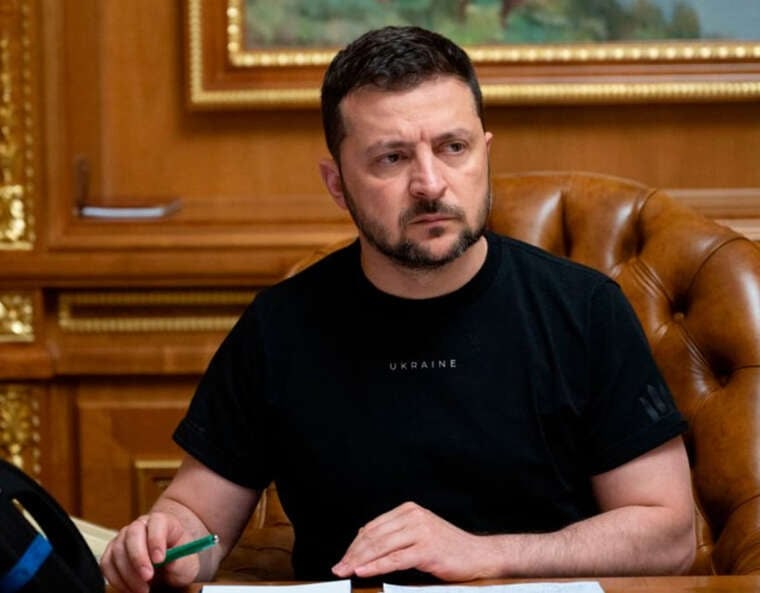
Ukrainian President detailed a massive overnight Russian attack that hit energy infrastructure and civilian facilities. He also expressed dissatisfaction with partners' actions regarding air defence missile supplies and sanctions policy.
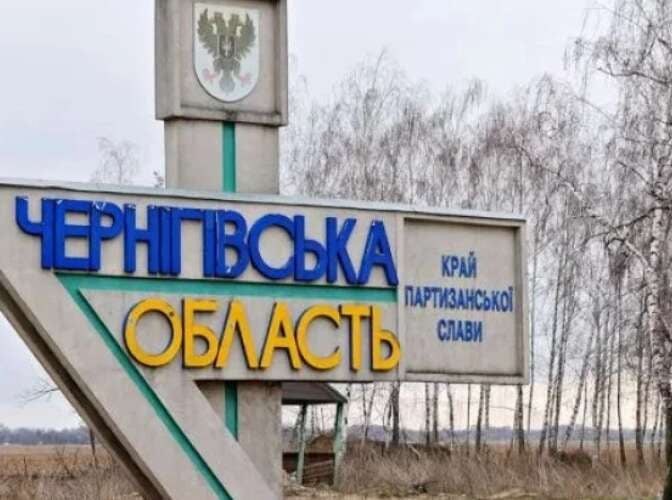
Chernihiv Regional Military Administration reported the aftermath of Russian shelling: a cruise missile hit a lyceum, two people were injured.
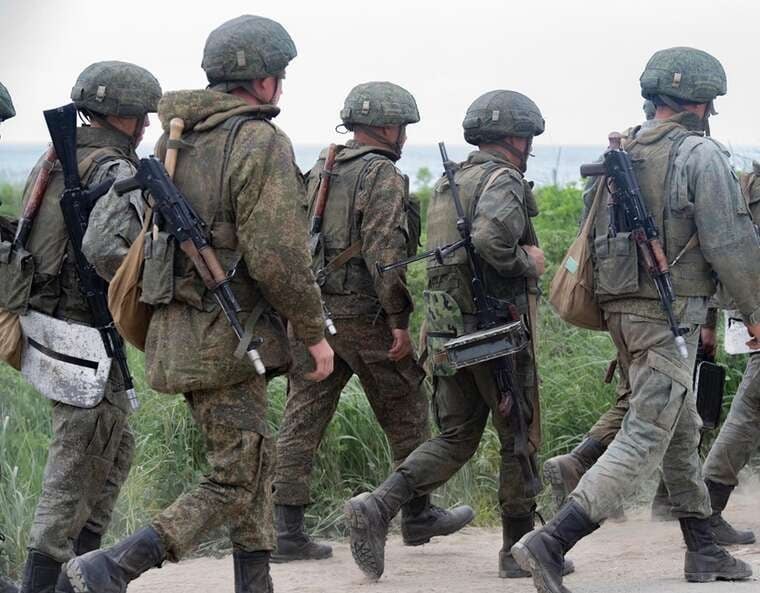
After the Chief of the General Staff of the Armed Forces of the Russian Federation, Valery Gerasimov, presented a report to Vladimir Putin stating that Russian troops had captured the cities of Dobropillia and Oleksiyevo-Druzhkivka in Donetsk region, numerous refutations appeared online. These denials were published not only by Ukrainian media but also by a large number of Russian military Telegram channels.
According to these sources, both settlements are still not under the full control of Russian forces.
Regarding Dobropillia, Russian military channels acknowledge that the position of Ukrainian units is difficult. According to their data, Russian units are already present in a significant part of the city and are blocking logistical routes, enveloping it from the flanks. However, Russia has not established full control over the city. Ukrainian sources also confirm the difficult situation of the defenders but deny the fact of the settlement's full capture.
The situation in Oleksiyevo-Druzhkivka, located between Kostiantynivka and Druzhkivka, is different. Russian channels note that it is still far from capturing this city, and the position of Russian troops there is complicated by constant counterattacks by the Armed Forces of Ukraine. On Ukrainian operational maps, the zone of Russian control in this area is entirely absent.
Telegram channels close to the Russian authorities interpret claims about the capture of cities that are not actually controlled as a conscious information strategy by the Kremlin, rather than mere "wishful thinking" by generals. The main goal of such a campaign is to maintain a positive mood among the population of Russia and to demonstrate to Western countries, particularly European states and Donald Trump, that the initiative on the front remains with the Russian army, which is gradually taking control of Donetsk region.
According to this logic, the West should increase pressure on Volodymyr Zelensky to force him to withdraw troops from Donbas before the position of the Ukrainian Armed Forces deteriorates further, and also to reconsider the expediency of further financial support for Kyiv.
Channels draw attention to the fact that the statement about the capture of the cities was made precisely on the day of Zelensky's arrival at the EU summit, where issues of support for the following year were discussed. It is worth noting that a similar claim about the capture of Kostiantynivka (which is denied by Kyiv) was made by the Russian side in early July, ahead of the phone call between Putin and Trump.
The effectiveness of such tactics is difficult to assess unequivocally. Western media and European politicians do not trust such reports and instead promote the narrative of the Ukrainian Armed Forces seizing the initiative, publishing materials about the successes of Ukrainian troops on the Lyman direction. At the same time, for Trump and European political forces advocating for normalisation of relations with Russia, reports of Russian military advances could theoretically serve as an argument in favour of conducting negotiations with Moscow.
Comments
No comments yet. Be the first!