
Ukrainian universities begin checks on male students over 25 with mobilisation deferments
Deputy Education Minister Trofymenko stated that universities are verifying the actual attendance of men who received deferments from mobilisation.
Deputy Education Minister Trofymenko stated that universities are verifying the actual attendance of men who received deferments from mobilisation.
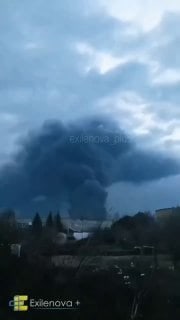
Rystad Energy estimates indicate a critical drop in oil refining volumes in the Russian Federation. Meanwhile, the EU is preparing a €45 billion loan programme and the 22nd sanctions package.

Investigators uncovered the activities of a group involved in cultivating and selling cannabis. The suspects face up to 10 years in prison.
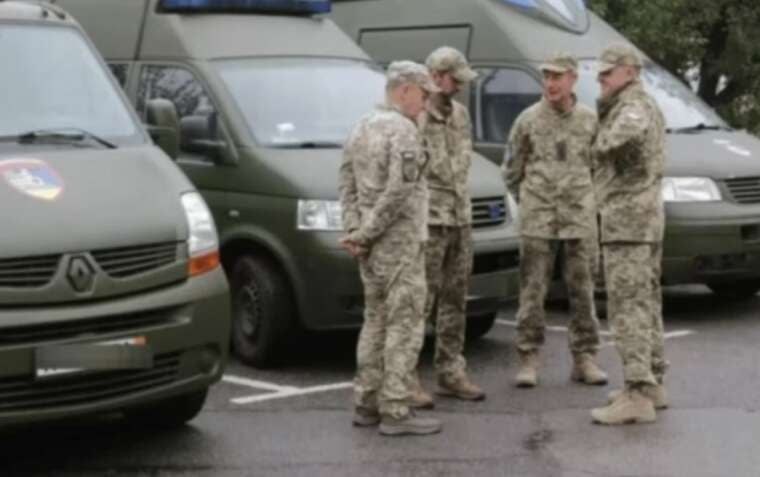
Dmytro Lubinets reported a case in Kherson region where a military medical commission deemed a man with permanent disability and legal incapacity fit for army service.
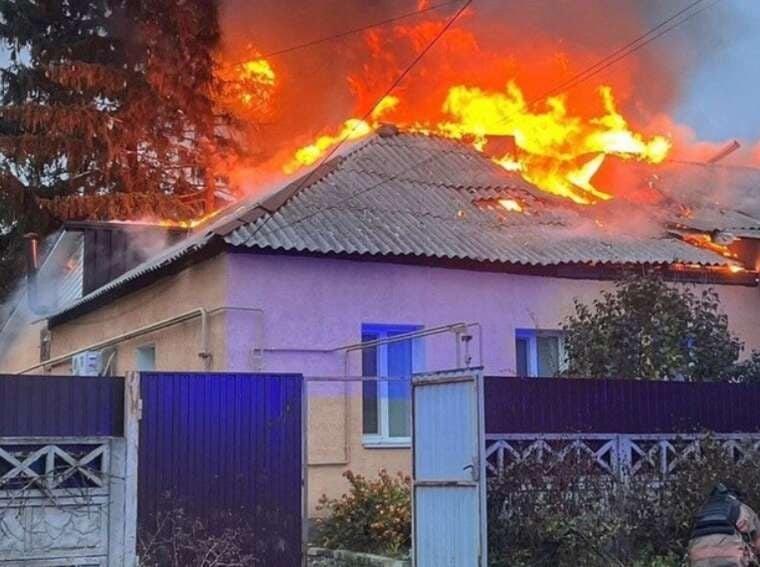
Prime Minister Serhiy Koretskyi stated that the aim of the overnight strikes on water utilities in Dnipropetrovsk Oblast was to deprive people of water. Fires also broke out in shopping centres in Kryvyi Rih and Pavlohrad.
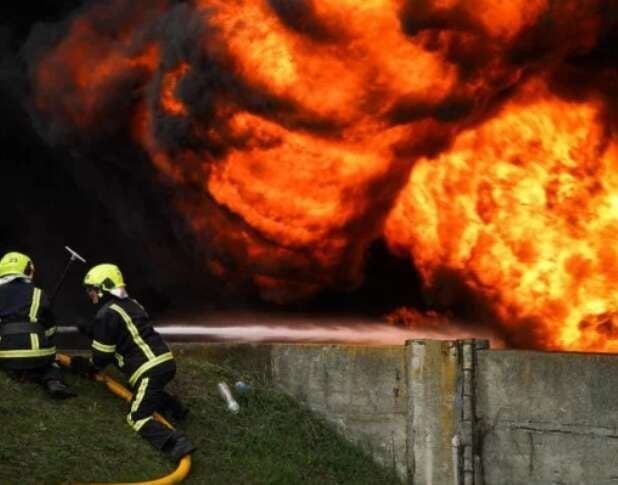
Oleksandr Vilkul reported an attack on an enterprise in the city, with rescue services currently dealing with the aftermath.
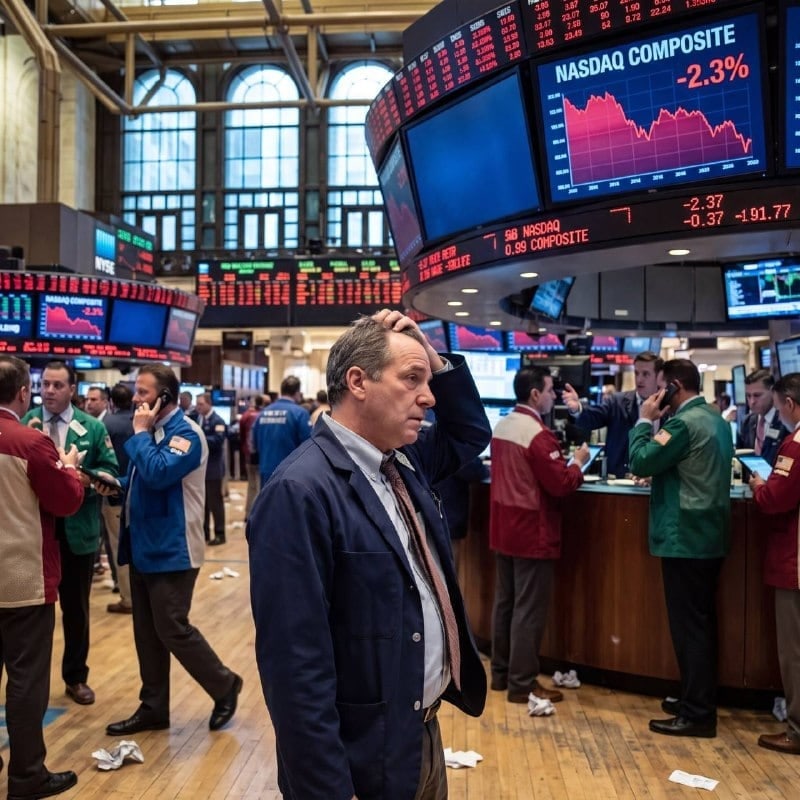
The graphics card maker decided to settle a class action lawsuit from investors who accused the company of concealing the impact of crypto mining on its revenues.
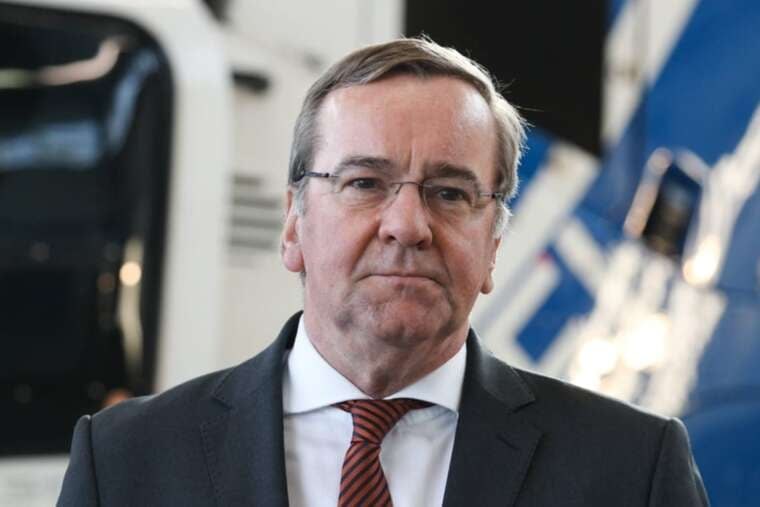
German Defence Minister believes European countries should accept the Kremlin's offer to negotiate in Moscow to protect their own interests.
Systematic attacks by Ukrainian forces on the Russian oil refining sector have led to significant changes in the aggressor's macroeconomy. According to data from the analytics company Rystad Energy, published by Bloomberg, as of 23 November, oil refining volumes in Russia had fallen to 2.6–2.7 million barrels per day. This is the lowest figure in over two decades, while the standard level stands at five million barrels.
The consequences of this situation include rising domestic fuel prices, restrictions on petroleum product exports, and an increase in crude oil shipments. According to Rosstat statistics, the price of petrol rose by 0.5% during the week from 17 to 23 November. It is important to note that these figures reflect the cumulative result of the campaign, not the losses incurred in the last 24 hours.
The General Staff of the Armed Forces of Ukraine reported damage to five Russian fighter jets at the Savasleyka air base in Nizhny Novgorod Oblast. Among the affected aircraft were MiG fighters, which serve as carriers for Kinzhal missiles. The equipment has been temporarily taken out of service.
During the night of 26 November, a Transneft-Ural facility in the village of Subkhanulovo in Tuymazinsky District of Bashkortostan came under attack. A pumping station for main oil pipelines, through which oil and diesel fuel are transported, was damaged. Local authorities confirmed a fire at the industrial facility. The loss of such nodes forces a reduction in the volume of oil accepted into the pipelines, as happened after the February strike on the Kaleikino station, when intake decreased by approximately 250,000 barrels per day.
There are also reports of an attack on the Nevinnomyssk Combined Heat and Power Plant in Stavropol Krai. Russian regional authorities stated that energy facilities in the industrial zone were damaged. Reports came in of an attack on the industrial zone where the Nevinnomyssk Azot enterprise, which belongs to the chemical industry, is located.
Ukrainian air defence neutralised 87 of 113 Russian drones during a night attack. In addition to traditional means, new developments were employed. According to information from Serhiy Flesha, the Ukrainian combat laser Blisk destroyed a Geran-type jet drone for the first time. The project is being implemented as part of a private air defence programme with the support of Brave1. Currently, the system is at the stage of testing and combat application, and mass production has not yet been confirmed.
At the European Union summit to be held on 26–27 November, the issue of providing Ukraine with a new loan of €45 billion is being considered. Of this amount, €20 billion is designated for budgetary needs, and €25 billion for the army's needs. Under the terms of the agreement, the repayment of funds is to occur only after receiving reparations from Russia. European Commission President Ursula von der Leyen emphasised that EU representatives will participate in the next round of negotiations. German Chancellor Friedrich Merz is threatening to use his veto power regarding the EU budget if all 27 member states do not agree on the support mechanism.
On 23 November, the 22nd sanctions package against the Russian Federation was proposed. Its key elements concern cryptocurrency, the visa regime for Russian citizens, and the sports sector. Despite Kyiv's requests, the aggressor's nuclear sector was again not included in the list of restrictions. Unanimous consent of all bloc members is required to adopt the package.
Comments
No comments yet. Be the first!