
SBU detains Telegram channel admin in Kyiv with US FBI assistance for inciting terrorism
A man who created a channel with calls to attack law enforcement officers and instructions on making explosives has been detained in the capital.
A man who created a channel with calls to attack law enforcement officers and instructions on making explosives has been detained in the capital.
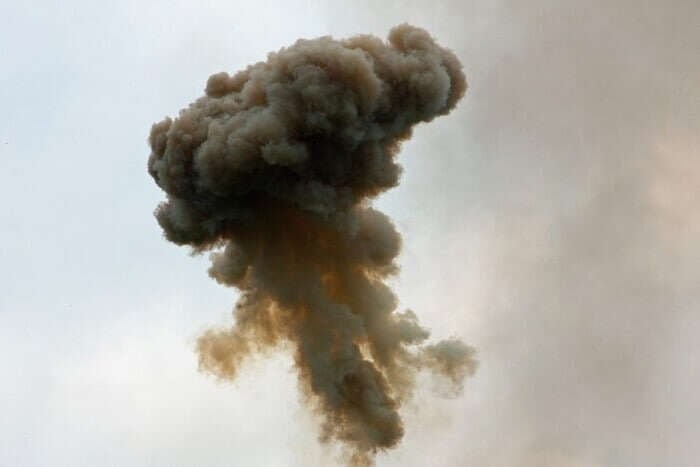
A Russian drone attacked a commercial vessel flying the flag of the Marshall Islands. One person was killed and seven others were injured in the strike.

The US administration confirmed the carrying out of the death sentence for a former army major who shot dead 13 service members in 2009.
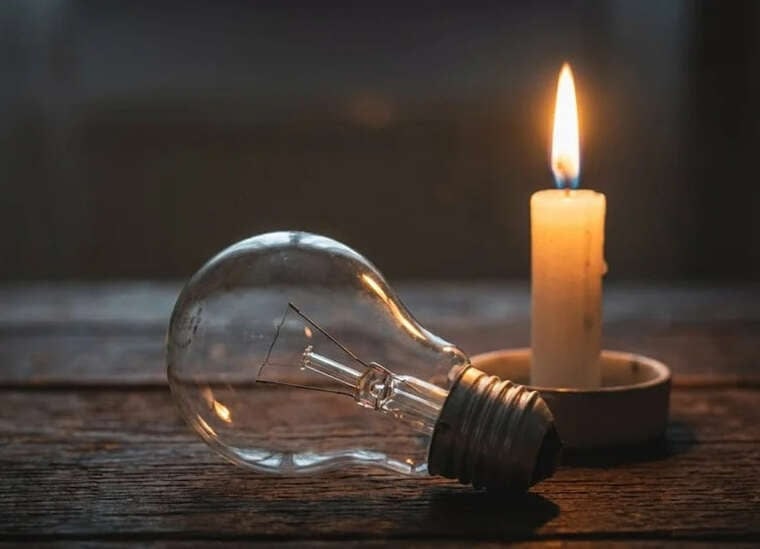
Following Russian strikes on energy facilities, consumption restriction schedules were introduced in Ukraine on 6 October. Energy workers urge citizens to conserve resources and shift the use of high-power appliances to daytime hours.
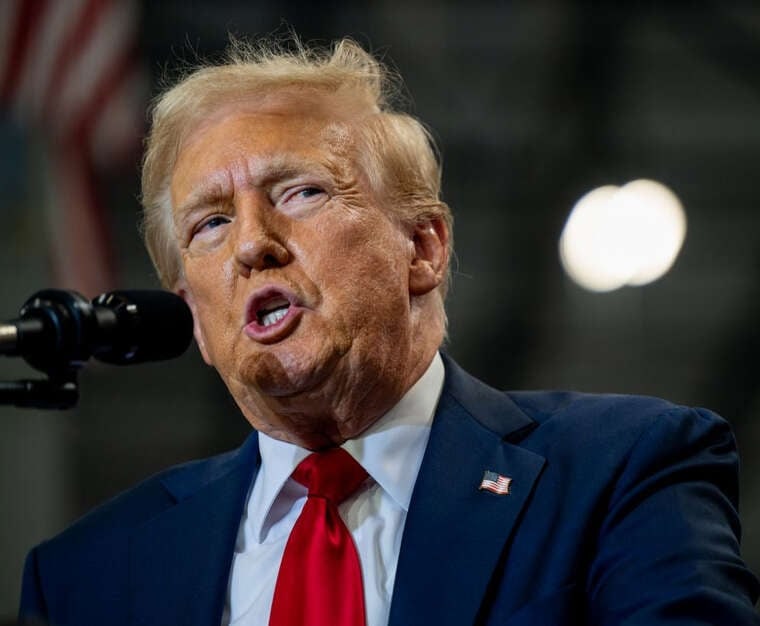
The US President introduced a temporary suspension of the excise tax on "red" diesel to reduce costs for the logistics sector and farmers against the backdrop of record fuel price increases.

South Korean Foreign Minister Cho Hyun stated that Ukraine's apologies do not meet Seoul's expectations and noted possible decisive measures, including recalling the ambassador.
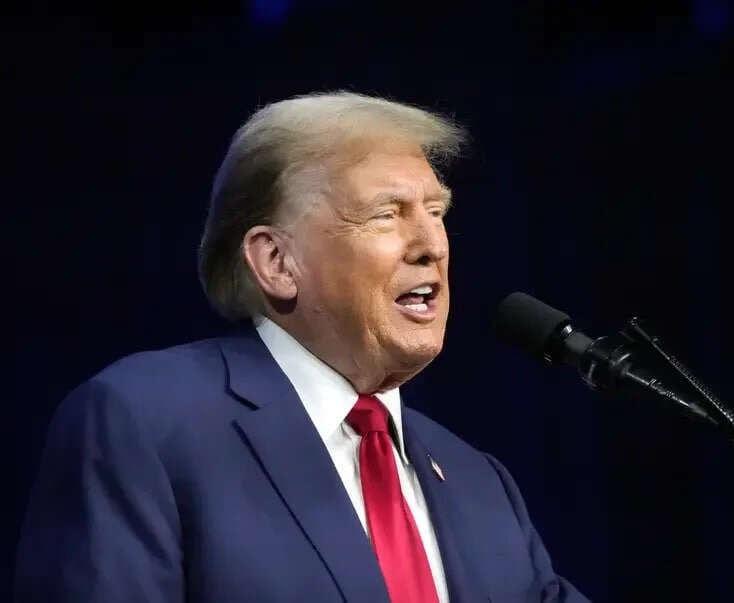
Washington's diplomatic efforts to resolve the conflict have met with Russian passivity. The trilateral summit, originally scheduled for early October, has been postponed, with the Kremlin's pressure tactics cited as the reason.

US prosecutors charged Greg Louis with circumventing export controls via Malaysia and Singapore. He faces up to 20 years in prison for conspiracy and money laundering.
US President Donald Trump's attempts to achieve a cessation of hostilities between Russia and Ukraine have once again hit a dead end. Despite active diplomatic steps that began in early September, uncertainty surrounding the peace process is growing. In the Ukrainian capital, there is scepticism about the prospects for a breakthrough, as the Russian side demonstrates a lack of interest in holding key consultations quickly.
Following visits by representatives of the US administration to Kyiv and Moscow in early September, an agreement was reached to hold a trilateral summit. The goal of the meeting is to discuss a cessation of strikes on energy facilities, the restoration of the grain corridor in the Black Sea, and humanitarian issues, including the exchange of prisoners of war. A senior Ukrainian official noted that Kyiv did not expect a full ceasefire until spring 2027, but agreed to participate in the negotiations.
However, a month later, the status of the meeting itself remains in question. Insiders report that Moscow is not rushing to fix a date. On 4 October, Volodymyr Zelensky emphasised that the US and Ukraine are ready for dialogue, but Russia's consent is needed. On the same day, US Presidential Special Envoy Steve Witkoff informed Zelensky during a meeting with German Chancellor Friedrich Merz that Washington wants to postpone the summit to the end of October, although the beginning of the month was initially planned.
The diplomatic process is actively supported by Kirill Dmitriev, who visited the US twice in September for negotiations with Steve Witkoff and Jared Kushner. The reasons for the almost month-long postponement of the date remain officially unexplained.
One of the key issues planned for discussion is the cessation of attacks on energy infrastructure. Throughout the war, Ukraine has deliberately targeted Russian energy facilities and export logistics to undermine the financing of the Kremlin's war machine. In response, Russia has systematically struck Ukrainian power plants and substations, seeking to deprive the civilian population of heat and light. With winter approaching, this issue is becoming critical.
According to one senior Ukrainian official, Moscow has no incentive to rush negotiations as long as it can cause damage to Ukraine's energy system. There is a presumption that Russia is trying to destroy as much infrastructure as possible before the start of the dialogue to have greater leverage. Since late August, the intensity of attacks on Kyiv has increased. Volodymyr Zelensky stated that Russia has effectively lifted restrictions on targets, including schools and civilian facilities.
Trump, who returned to the White House in January 2025, continues to try to stop the war, but there are no results yet. In parallel, India has proposed its own ceasefire plan, which entails a cessation of attacks on energy infrastructure and measures to protect shipping in the Black Sea. According to a Ukrainian official, this proposal contains elements of ideas from Turkey, Egypt, and the US. However, Russia rejected the Indian initiative.
For Kyiv, this confirms that the problem is not in finding a new mediator, but in Moscow's position itself, which rejects proposals even from countries with close ties. Currently, Washington continues its chosen course, although doubts about its effectiveness are growing in Ukraine.
«Схоже, Путін не боїться. Він відчуває, що може робити все, що захоче. Немає тиску з боку США… але він боїться Трампа, хоч би що там було» (It seems Putin is not afraid. He feels he can do whatever he wants. There is no pressure from the US... but he is afraid of Trump, whatever that may be), said Zelensky.
Comments
No comments yet. Be the first!