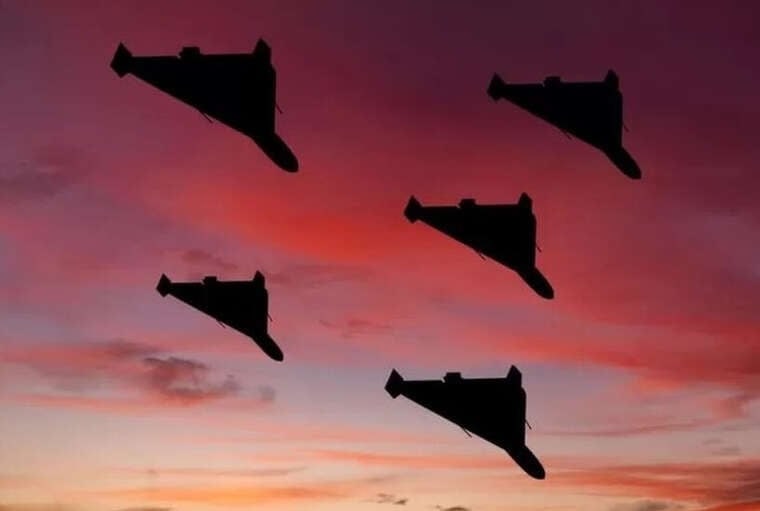
Russia prepares to launch 35–40 Iskander-M, Zircon and Oniks missiles
The eRadar system has recorded Russian military activity related to the preparation of ballistic weapons and the supply of Geran drones to the north-eastern directions.
The eRadar system has recorded Russian military activity related to the preparation of ballistic weapons and the supply of Geran drones to the north-eastern directions.
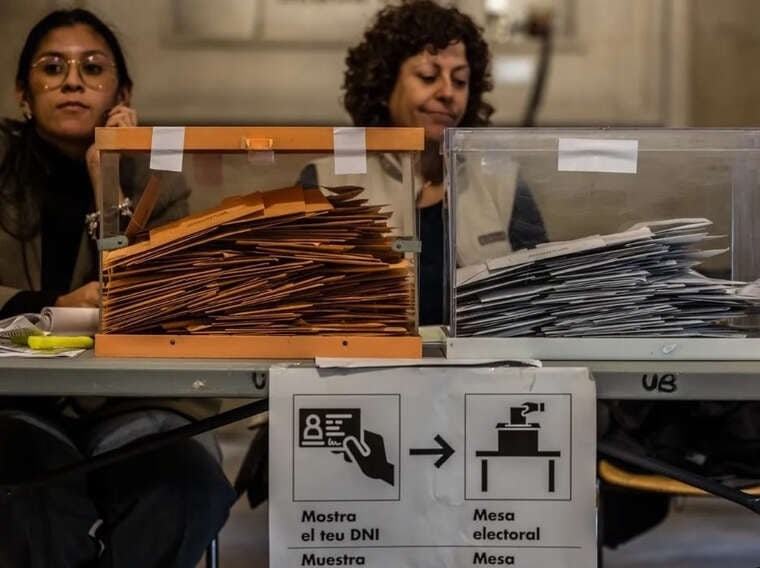
According to Sigma Dos polling, conservatives and far-right parties could win up to 184 seats, threatening the socialists' eight-year rule.
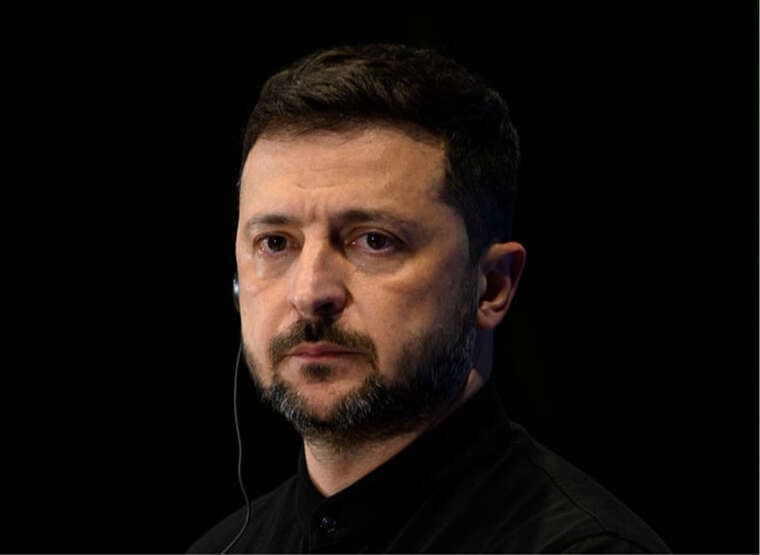
The President stated that large-scale reconstruction and job creation are necessary to bring back citizens who have left the country.
Ukrainian President Volodymyr Zelensky stated that the problem with the Russian dictator lies in his unwillingness to stop the hostilities he himself initiated.

Official Washington and the tech giant refuted Washington Post data on the use of satellite internet by Iranian military.

Lviv Mayor Andriy Sadovyi reported that the shockwave from enemy shelling near Zbyranka village injured a child with glass fragments.
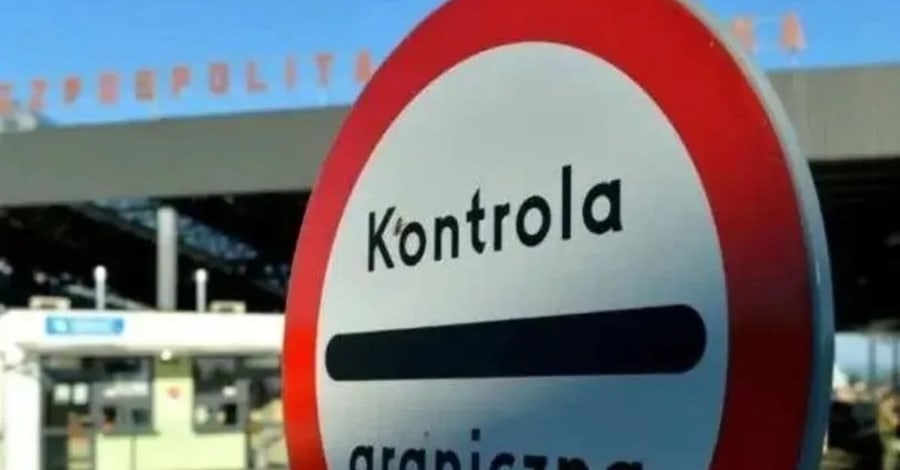
Before travelling to Poland, it is worth checking your luggage, as strict restrictions and exceptions apply to meat, plant products, alcohol, and tobacco.

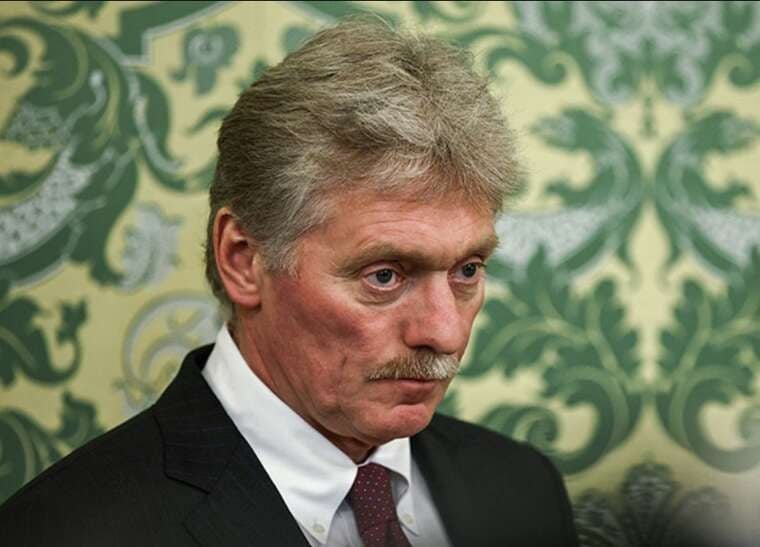
Kremlin spokesman Dmitry Peskov reported on Moscow's alleged interest in a peaceful settlement of the conflict and the Russian president's readiness for negotiations with European leaders.
Many Ukrainians, preparing for holidays, plan a trip to Poland and bring with them their usual food items. However, not all goods can be moved across the border without hindrance. According to the rules of the Polish Border Guard, there is a list of prohibited and restricted goods, as well as clear norms for certain categories.
First of all, attention should be paid to products of animal origin. It is prohibited to import meat and dairy products into European Union countries, even in small quantities for personal consumption. This restriction applies to lard, sausages, pâtés, and various dairy products. Such measures have been introduced to prevent the spread of dangerous infections among animals. If prohibited goods are found in luggage, they must be left in special containers before passing through control.
Specific rules apply to fruits, vegetables, seedlings, and cut flowers. As a general rule, a phytosanitary certificate is required for their import, confirming the absence of dangerous diseases and pests. Additional restrictions or a complete ban may apply to certain types of plants.
At the same time, the legislation provides for five exceptions where a phytosanitary certificate is not required. Without this document, it is permitted to transport:
Specific permitted limits are established for certain food products. For example, one person may import up to 20 kg of fish or fish products into the EU. If the weight of a single fish exceeds this figure, it is permitted to transport it whole. This rule applies to both fresh and processed fish.
Exceptions are also provided for other goods:
Restrictions also apply to alcoholic beverages and tobacco. The permitted quantity of tobacco products depends on the method of crossing the border, while the norms for alcohol remain unchanged regardless of the mode of transport. Travellers aged 17 and older can use these privileges.
Permitted volumes of alcohol:
Regarding tobacco products, if a person enters by land transport, they may carry:
For passengers crossing the border by air or sea transport, these limits are five times higher.
It is worth familiarising yourself with customs requirements and checking your luggage before the trip. This will help avoid the confiscation of goods and delays at the border. As a reminder, Ukrainians can bring personal items, medicines, food products, and money with them, but restrictions on quantity, weight, and value apply to certain categories of goods. In addition, some items require special documents or mandatory declaration.
Comments
No comments yet. Be the first!