
Indian developers unveil Noop gadget to help quit smoking
An Indian startup has launched sales of the Noop ring, which physically complicates the smoking process, forcing users to change their habits.
An Indian startup has launched sales of the Noop ring, which physically complicates the smoking process, forcing users to change their habits.

A Tekken 8 video game competition for pensioners is taking place in Japan. Organisers aim to set a world record for the average age of players.
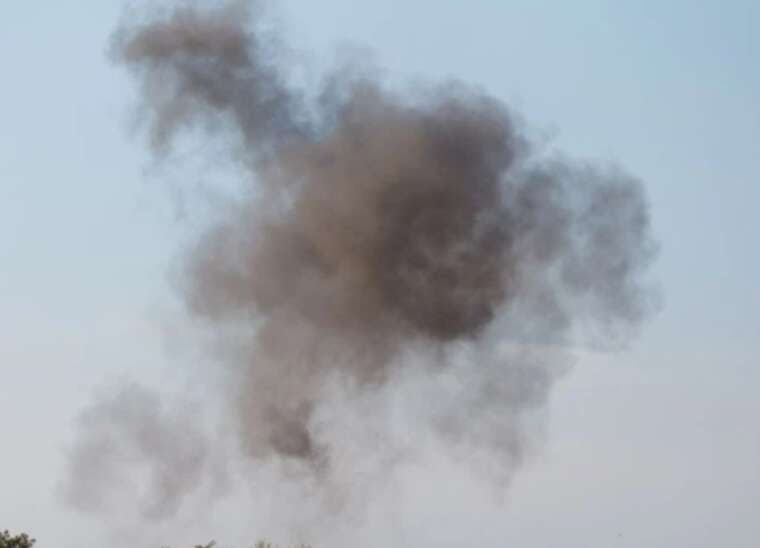
A fire broke out in apartment buildings in Kryvyi Rih following a Russian strike. One person has been reported injured.

Russian drones hit infrastructure facilities in the city in Zhytomyr region. No casualties reported; rescuers extinguished the fires.

Head of Kharkiv OVA reported that 23 civilians, including three children, were injured in enemy attacks over the past 24 hours.

The 31-year-old soldier of the 117th Brigade went missing on 5 April 2025 near Yelyzavetivka. His family received confirmation of his death only after more than six months.
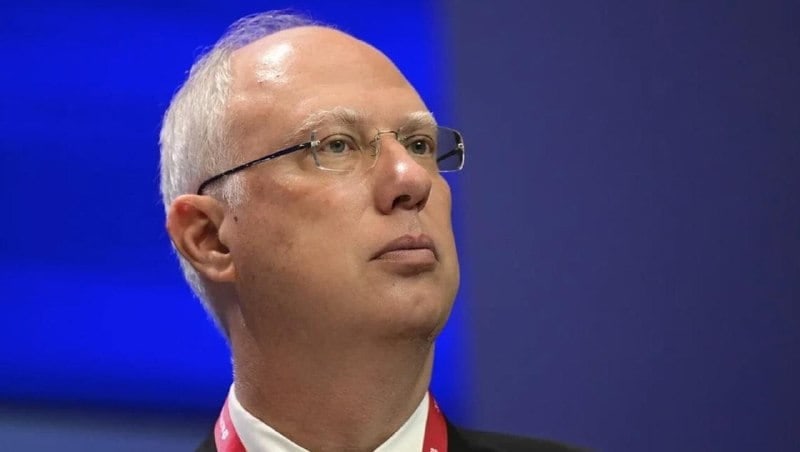
Russian President's Special Representative Kirill Dmitriev stated at the AI Journey 2026 conference that neural networks could help formulate diplomatic agreements to better reflect Russia's position.

South Korea's Galaxy Corporation and China's Unitree Robotics are preparing a robotic collective, for which they will develop unique images and choreography.
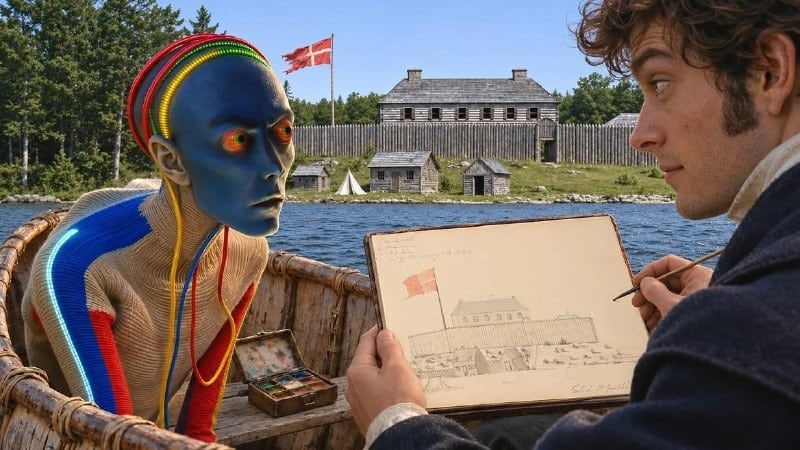
Artificial intelligence is demonstrating the ability to quickly solve complex historical problems that required years of research from specialists. Canadian historian Mark Humphries, who had been trying for years to establish the identity of the author of an album containing drawings over 200 years old, turned to the help of the GPT-6.2 Astra model from OpenAI. The result was that the AI found the answer in 22 minutes and also discovered an additional document that allowed the conclusions to be verified.
As Humphries told Business Insider in an interview, there was extremely little public data available to identify the author. The historian had only a few dates, captions for the images, and a route that thousands of people had travelled at the time. For the investigation, he provided the model with a digitised version of the album, enabled Ultra mode, and asked it to determine who the drawings belonged to.
The main breakthrough in the algorithm's work was the discovery of the diary of former fur trader Joseph Frobisher. In this document, GPT-6.2 Astra found a mention of a French aristocrat, Viscount de Chabot, who set off on a journey in early June 1808. Subsequently, while analysing another letter, the model learned that the aristocrat later visited Fort Saint-Joseph, which is depicted in the album.
Based on the analysis, the model concluded that the probable author of the drawings was Louis-Guy-Charles-Guillaume de Rohan-Chabot. This individual was previously unknown to Humphries. The historian noted that a human could have conducted the same investigation, but the documents processed by the AI mentioned hundreds of people, each of whom would have had to be checked manually.
Astra also proposed a way to verify the hypothesis. In another researcher's doctoral dissertation, the model found a mention of de Chabot's personal diary, copies of which could be ordered on microfilm. This discovered document provided the historian with grounds to verify the artificial intelligence's conclusions.
Comments
No comments yet. Be the first!