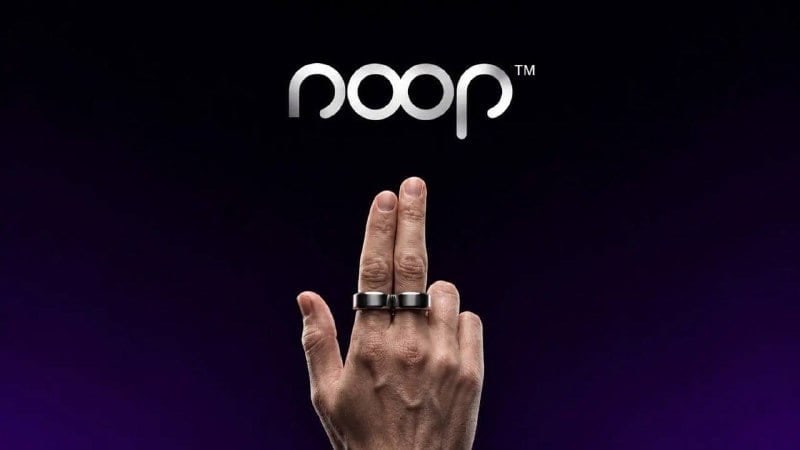
Indian developers unveil Noop gadget to help quit smoking
An Indian startup has launched sales of the Noop ring, which physically complicates the smoking process, forcing users to change their habits.
An Indian startup has launched sales of the Noop ring, which physically complicates the smoking process, forcing users to change their habits.
A Tekken 8 video game competition for pensioners is taking place in Japan. Organisers aim to set a world record for the average age of players.
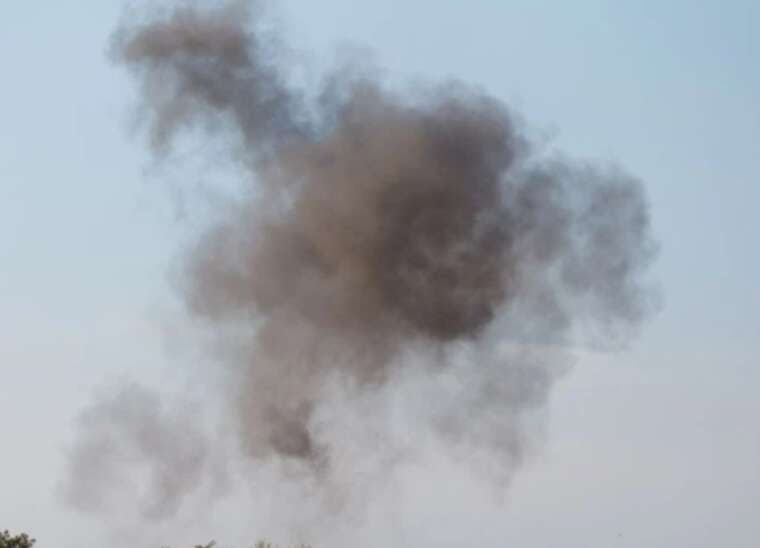
A fire broke out in apartment buildings in Kryvyi Rih following a Russian strike. One person has been reported injured.
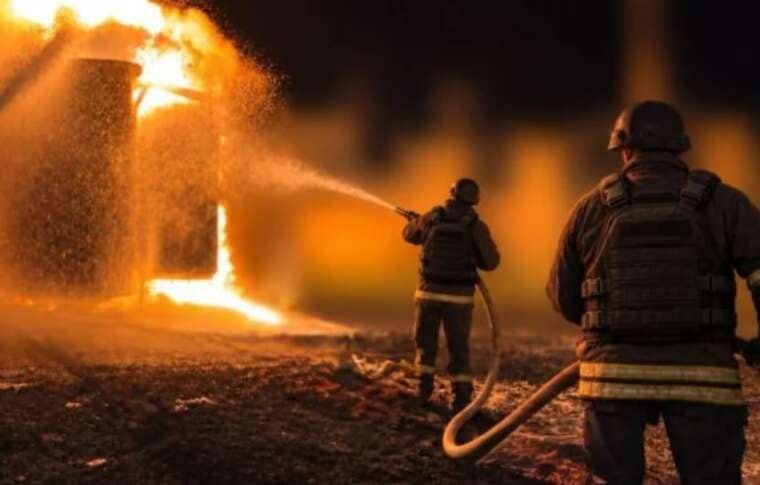
Russian drones hit infrastructure facilities in the city in Zhytomyr region. No casualties reported; rescuers extinguished the fires.
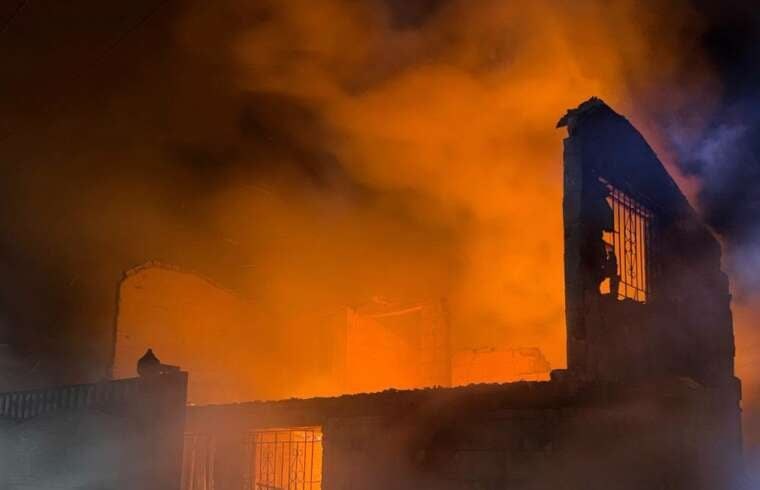
Head of Kharkiv OVA reported that 23 civilians, including three children, were injured in enemy attacks over the past 24 hours.
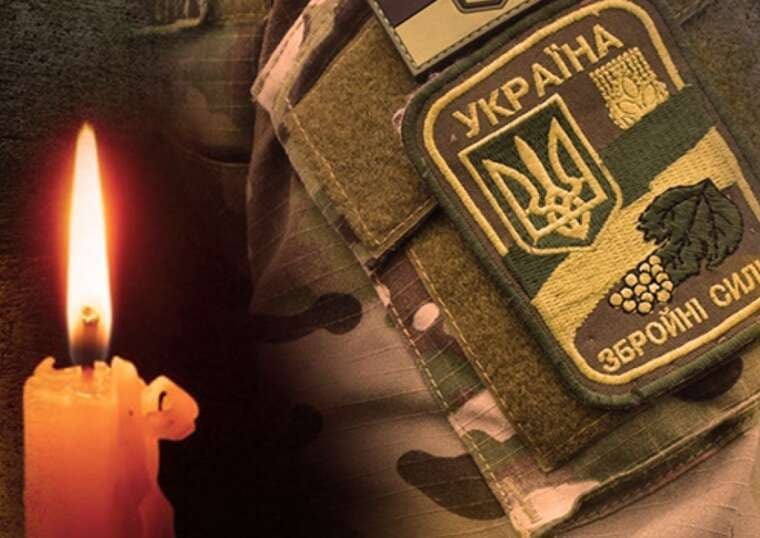
The 31-year-old soldier of the 117th Brigade went missing on 5 April 2025 near Yelyzavetivka. His family received confirmation of his death only after more than six months.
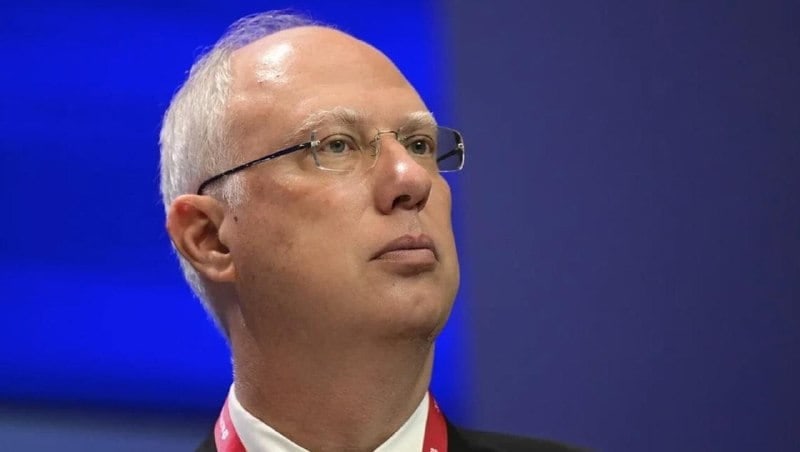
Russian President's Special Representative Kirill Dmitriev stated at the AI Journey 2026 conference that neural networks could help formulate diplomatic agreements to better reflect Russia's position.
South Korea's Galaxy Corporation and China's Unitree Robotics are preparing a robotic collective, for which they will develop unique images and choreography.
Kirill Dmitriev, Special Representative of the Russian President and Chairman of the Russian Direct Investment Fund, proposed involving artificial intelligence technologies in the process of preparing diplomatic documents aimed at ending the war against Ukraine. According to him, neural networks could serve as a tool for finding formulations that most successfully reproduce Moscow's position.
Dmitriev spoke about plans to use AI in the diplomatic sphere during the AI Journey 2026 conference, organised by Sber. The speech took place on 27 November. The Special Representative of the Russian President explained the mechanism by which relevant information can be uploaded to the system and a request generated to create a version of a diplomatic agreement.
The next request, according to him, could be to adapt the document so that it better corresponds to the Russian position and takes into account the concerns declared by the Kremlin.
«Можна задати наступне запитання: як зробити так, щоб ця угода більше відображала російську позицію, ще аргументованіше відображала ті занепокоєння, які є у Росії, і вирішувала їх? Дійсно, це дуже важливий інструмент» (One can pose the following question: how to make this agreement better reflect the Russian position, more convincingly reflect the concerns that exist in Russia, and resolve them? Indeed, this is a very important tool), said Dmitriev.
However, it is unclear from his explanations whether he used a neural network to create a specific draft agreement or was describing a possible scenario for its application during preparations for negotiations.
Comments
No comments yet. Be the first!