
Four injured in Russian shelling of Vinnytsia
The enemy attack on the city caused damage to energy infrastructure, a civilian enterprise, and transport vehicles.
The enemy attack on the city caused damage to energy infrastructure, a civilian enterprise, and transport vehicles.
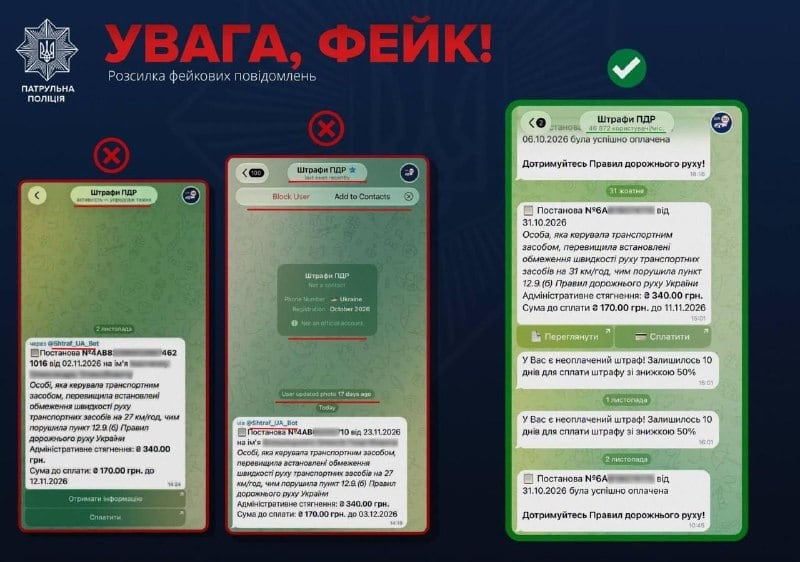
Head of the patrol police stated that criminals are impersonating the official chatbot to steal money from bank cards.

Four-year-old cat Zeus has once again become a participant in a railway adventure, travelling almost 60 kilometres without a ticket. The owner uses two trackers to monitor his movements.
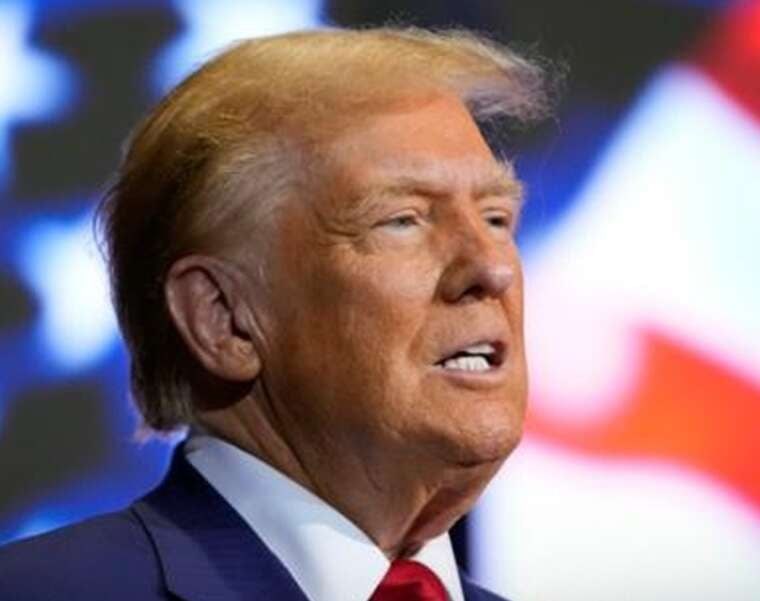
US President signed an order requiring the Attorney General to ensure swift and irreversible punishment for those sentenced to death at the federal level.

The author suggests that the current market drop is the final stage of panic selling, after which announcements of state reserves and a sharp rise in the asset's value may follow.
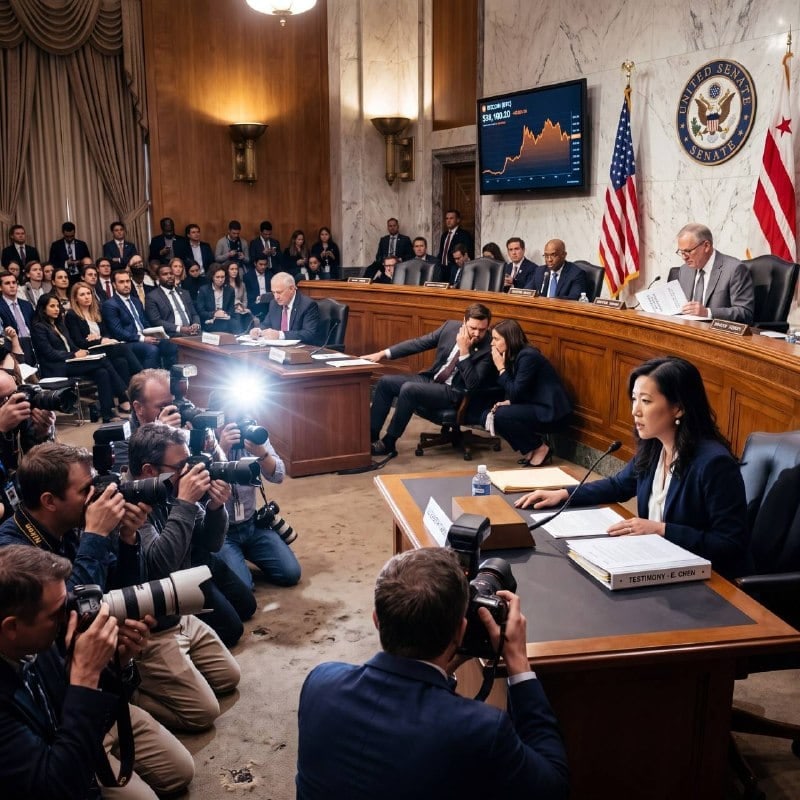
Analysis highlights the contradiction between rhetoric on Bitcoin's worthlessness and government actions to create strategic reserves and a legal framework for controlling digital assets.

A review of the key stages in the biography of Bohdan Danylyshyn, who headed the National Bank of Ukraine from 2016 to November 2023.

Ukraine's Defence Minister reported record missile production rates in Russia. Analysis indicates a critical global shortage of interceptor production capacity.
The cryptocurrency market is in a downturn, traditionally accompanied by debates over the nature of digital assets. Critics call them a bubble, a tool for speculation, or even a casino that will eventually lose all value. However, this rhetoric raises a logical question: if Bitcoin is truly worthless, why are state structures investing significant resources in creating legal frameworks around it with a perspective of decades?
Current reality demonstrates the intensive implementation of mechanisms for state influence on the crypto space. This includes licensing, customer identification requirements (KYC), reporting, sanctions measures, as well as asset freezing and confiscation procedures. Issuers, exchange platforms, and even individual wallets are coming under control.
Such laws are being adopted not only in individual jurisdictions but also across Europe, the United States, Russia, and dozens of other countries. A paradox arises: why are governments expending so much effort regulating an asset that, according to those same officials, could be worth zero tomorrow? Meanwhile, a narrative is spreading in the market that cryptocurrencies are a complete scam.
The example of the United States is particularly illustrative, where a strategic Bitcoin reserve has already been formed. It includes, among other things, digital assets seized by the state as part of criminal proceedings. A presidential decree explicitly prohibits the sale of these reserves, designating them as a reserve asset.
The document contains a clear explanation for this decision: since Bitcoin's supply is limited, countries that first form such reserves will gain a strategic advantage. This creates a strange contrast: on one hand, the market claims that Bitcoin is falling and is a scam, while on the other, the state officially states that seized assets are not subject to sale.
An important detail is the difference between stablecoins and Bitcoin. Any stablecoin can be frozen by an administrator with the press of a button. Bitcoin works differently: to seize it, keys, an exchange, or a custodian are required, or a court procedure if access to the wallet is available. This is why states are now actively building infrastructure that allows for the legal and technical seizure of such assets.
A recent example was the event on 12 November, when the US Department of Justice received court permission to seize over $1.2 billion stolen during the hack of the Binance exchange. The majority of these funds were pre-frozen by the issuers of the Tether and Circle stablecoins. This case indicates that cryptocurrencies have already become an object of state battles in courts involving billions of dollars.
The popular narrative that the state seeks to destroy cryptocurrency does not align with the facts. Why destroy what has been officially recognised as a strategic asset? It appears the real goal is different — to tame digital assets. This means making them licensed, transparent for control, taxable, and seizable in case of legal violations. Cryptocurrencies are gradually being integrated into the state system under new rules.
The state does not fight what it considers garbage. It fights for what it intends to take for itself.
Comments
No comments yet. Be the first!