
Sumy: FPV drone hits car, 76-year-old passenger killed
Russian drone with optical fibre link attacked civilian vehicle in Kovpakivskyi district. Driver, who is the son of the deceased, hospitalised.
Russian drone with optical fibre link attacked civilian vehicle in Kovpakivskyi district. Driver, who is the son of the deceased, hospitalised.
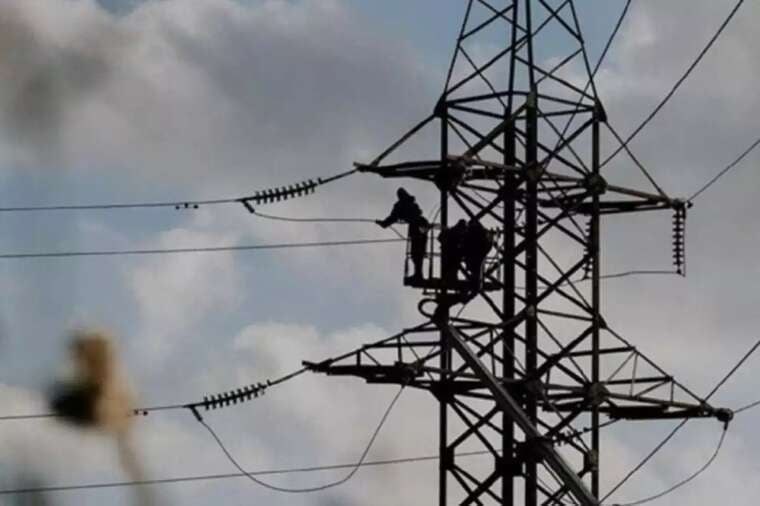
Emergency power cuts have been introduced in five districts of the region due to damage to main transmission lines. Energy workers are prioritising the supply of critical infrastructure.
US Trade Representative Jamieson Greer plans to impose duties based on an investigation into excess production capacity to restore limits overturned by the Supreme Court.
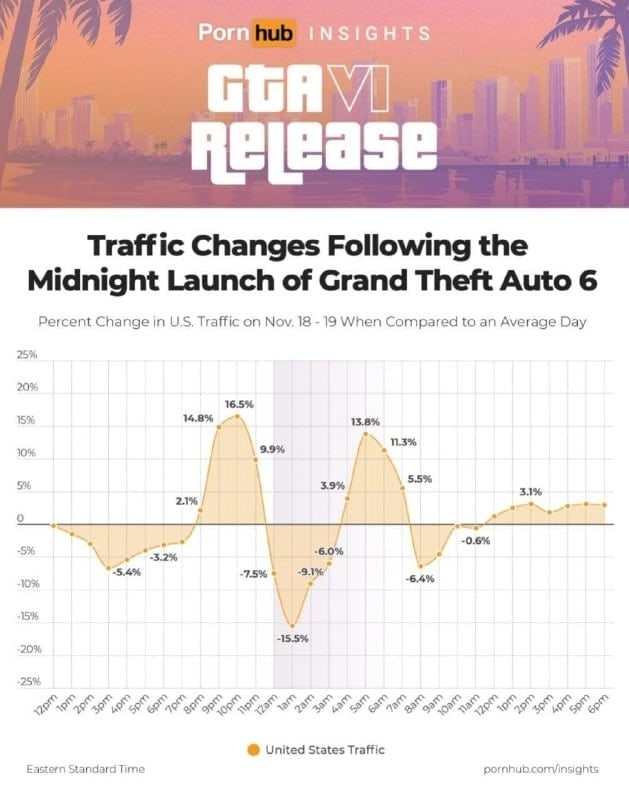
Pornhub traffic fell by 15% on the video game's release day, despite a rise in traffic observed a few hours before launch.
A large-scale audit of departmental contracts begins against the backdrop of Democratic promises in Congress to investigate potential conflicts of interest in Donald Trump's administration.

On 24 November, Russian troops attacked the Chernihiv hromada district. Three people were injured and six houses damaged as a result of a drone strike.
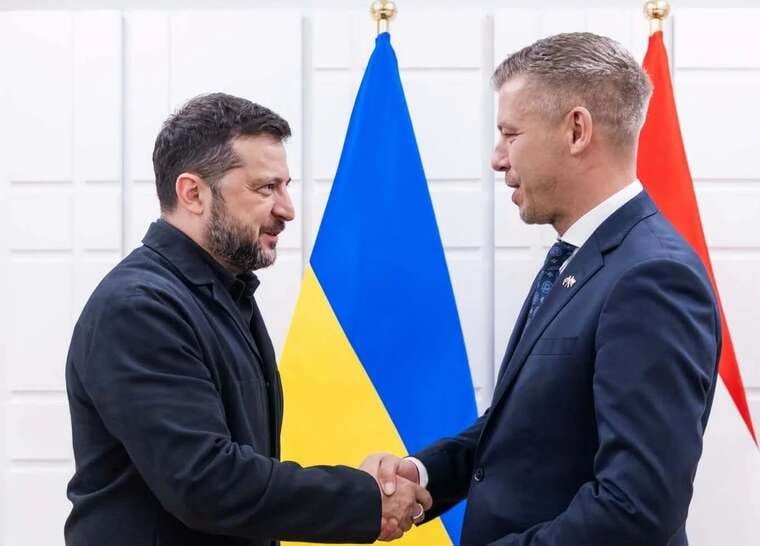
Ukrainian President confirmed reaching specific agreements with Hungarian Prime Minister after meeting in Uzhhorod, particularly regarding fuel supplies and joint projects.
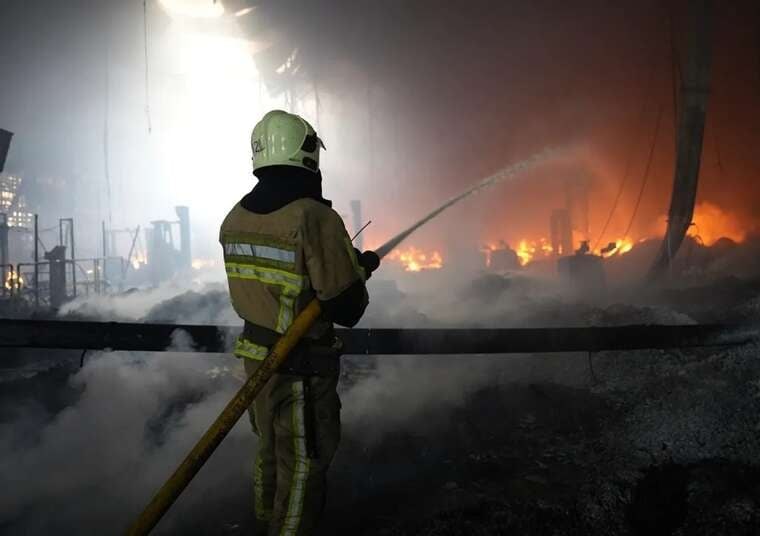
Russian troops have struck the Kovel community in Volyn region again. A fire broke out at a local enterprise, with no casualties reported.
The administration of US President Donald Trump is developing new proposals to raise customs duties. These will target the European Union, China, Mexico, Japan and 12 other trading partners. The main objective of these measures is to restore global tariffs that the US Supreme Court overturned in February this year.
According to Politico, US Trade Representative Jamieson Greer is set to officially announce the new duties in a report dedicated to excess production capacity in the specified countries. This investigation was launched in March under Section 301 of the Trade Act of 1974. This section grants the authority to establish tariffs in response to unfair trade practices.
The level of the new duties will be calibrated taking into account the cap rates that partner countries have already agreed with the Trump administration over the past year. These agreements were struck in exchange for trade concessions and large-scale investments in American industry.
For example, the total tariff rate for China will not exceed 20%. As for the EU, the tariff will remain below the 15% threshold that Donald Trump previously agreed with European Commission President Ursula von der Leyen during their meeting in Scotland.
Before the final approval of the tariffs, interested countries will have the opportunity to voice their position. Hearings, public consultations and closed negotiations are provided for this purpose. The new customs duties are expected to include a number of exemptions. Moreover, rates could be lowered in the future if the respective countries take specific measures to reduce excess production.
At the same time, the mere threat of introducing new duties risks angering foreign allies who are already dissatisfied with Trump's policy.
In a March statement, Jamieson Greer's office noted that countries, including China, are aggressively expanding production in strategic sectors beyond market demand. Together with partners such as the EU, they are sustaining a global surplus of goods.
Raising tariffs could complicate US relations with the world's largest economies. This is happening against the backdrop of a fragile trade truce with China, which expires in January, as well as ahead of the scheduled meeting between Donald Trump and Chinese leader Xi Jinping at the G20 summit next month. An additional complication is the tense negotiations with Mexico regarding the extension of the trilateral trade agreement between the US, Mexico and Canada.
Similar to Donald Trump's previous tariff decisions following his defeat in the Supreme Court, the new duties will likely also become the subject of lawsuits. Currently, the legality of tariffs imposed due to forced labour is already being reviewed by the US Court of International Trade.
Comments
No comments yet. Be the first!