Return of 23 residents from occupied territories
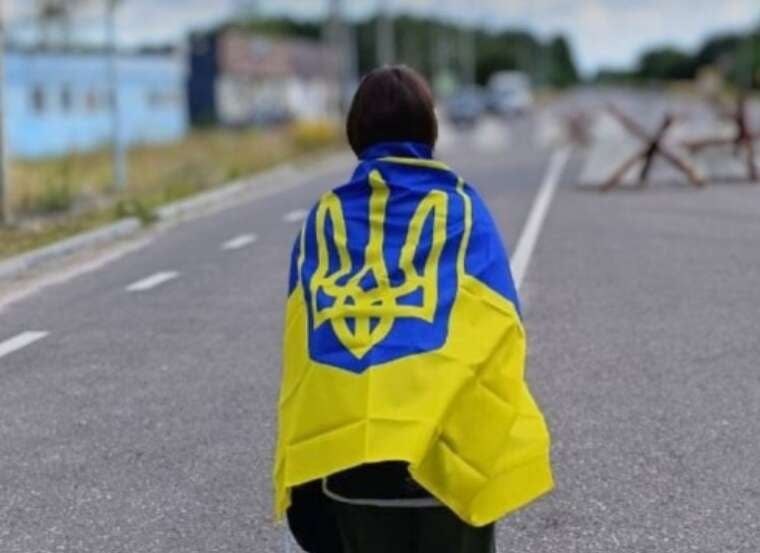
On 28 November, another 23 Ukrainians returned home after previously being under the control of Russian occupation forces. This was announced by the Parliamentary Commissioner for Human Rights, Dmytro Lubinets.
Among those who left were people with severe diagnoses, limited mobility, and those who had been unable to leave the occupied zones for years due to the absence of relatives in areas under Ukrainian control, lack of housing, or physical inability to independently navigate a difficult route.
Difficult living and health conditions
For many of them, the decision to leave took months to form. Organising the return involved not only finding a safe route but also resolving in advance the issues of subsequent accommodation and receiving assistance upon arrival.
One story concerns a family from the Kherson region who lived in the village of Radenske. The residents hesitated to leave for a long time because they had no relatives in the liberated territory. Their situation was complicated by their health conditions: the woman had cancer, the man had a severe heart disease, and their relative had undergone an amputation.
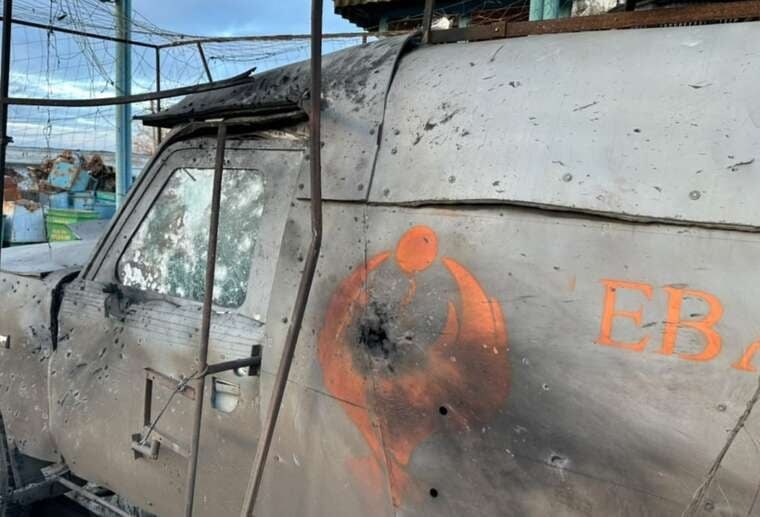
The turning point was a drone strike that destroyed their house. Family members sustained blast injuries. After returning, they were sent to a medical facility where they could undergo necessary examinations and receive medical care.
Care for vulnerable groups
Another woman, who was left virtually alone in an occupied village, was caring for a man with dementia and an elderly bedridden relative. Their home lacked stable electricity, water, heating, and necessary medications.
Constant shelling and living in such conditions caused the woman to suffer from panic attacks. To call her son, who was already in an area under Ukrainian control, she had to walk to the other end of the village to an acquaintance who had a generator and could charge her phone.
When the opportunity to leave arose, she asked for help for a lonely woman from the neighbouring street as well. It was possible to return everyone.
Social support after return
«Люди часто залишаються в окупації не тому, що не хочуть виїжджати. Вони бояться, що через хворобу, вік, відсутність грошей, житла або рідних просто не впораються після повернення. Саме тому наша робота не завершується організацією маршруту» ("People often remain in the occupied areas not because they do not want to leave. They are afraid that due to illness, age, lack of money, housing, or relatives, they simply will not cope after returning. That is why our work does not end with organising the route"), Dmytro Lubinets emphasised.
According to him, temporary housing is arranged for those who have nowhere to live. People who require urgent assistance are sent for treatment and rehabilitation. Subsequently, social support, document restoration, contact with relatives, and other necessary assistance are organised.
Lubinets added that people who are also unable to leave independently still remain in the temporarily occupied territories.
Comments
No comments yet. Be the first!