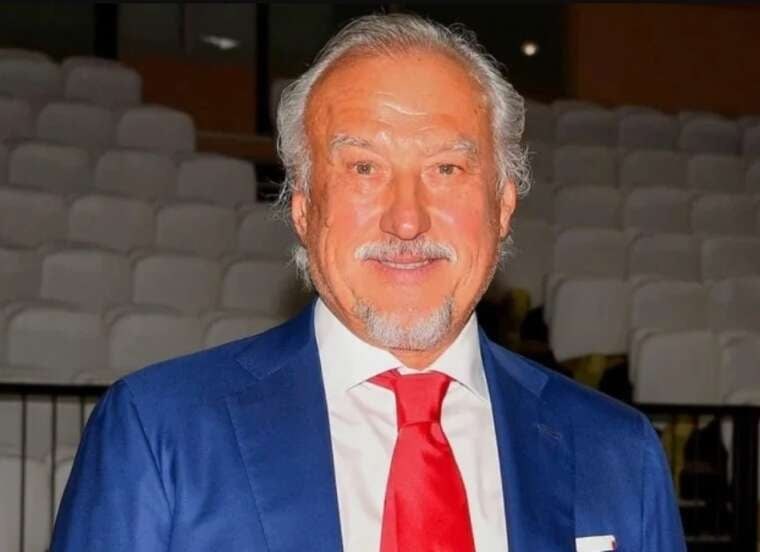
Oleksiy Fedorichev to face trial over $60 million in damages to DPZKU
The owner of a grain trader is accused of diverting state grain to Saudi Arabia and laundering over $40.9 million through Cypriot companies.
The owner of a grain trader is accused of diverting state grain to Saudi Arabia and laundering over $40.9 million through Cypriot companies.
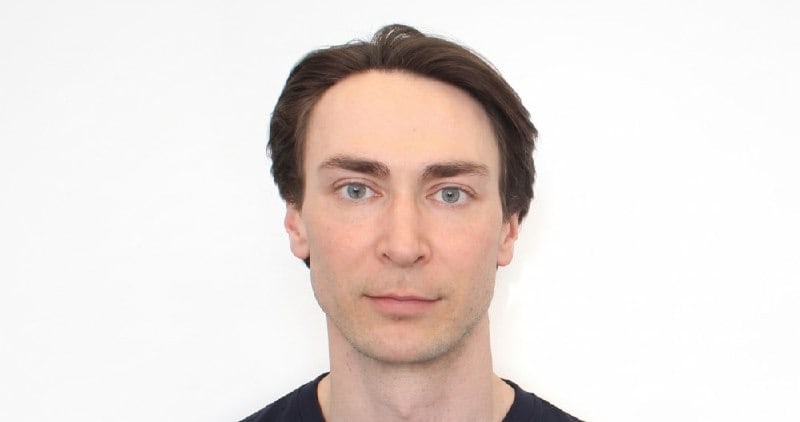
Law enforcement officers detained 40-year-old Artem Kyryushin in Spain, who is suspected of establishing a criminal organisation and embezzling funds through inflated heating prices in Ivano-Frankivsk.
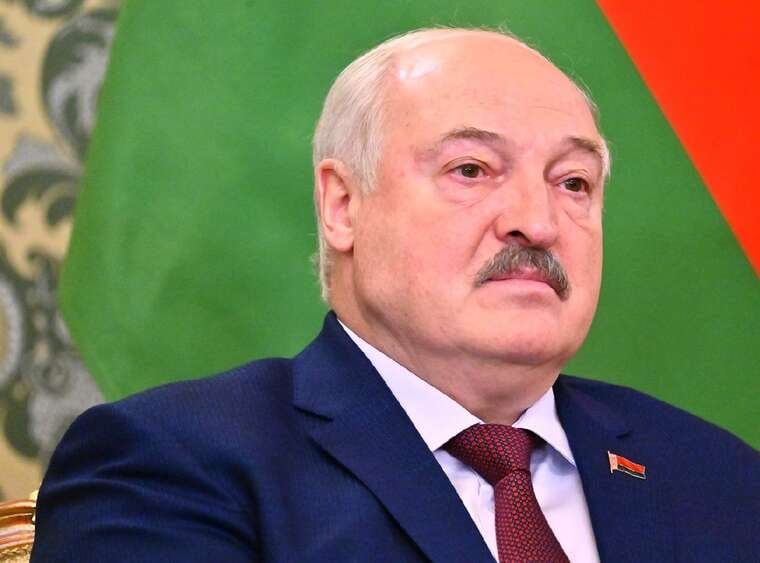
The Belarusian leader stated that refusing a peaceful settlement in the current year would make further negotiations more difficult, and eventually impossible.
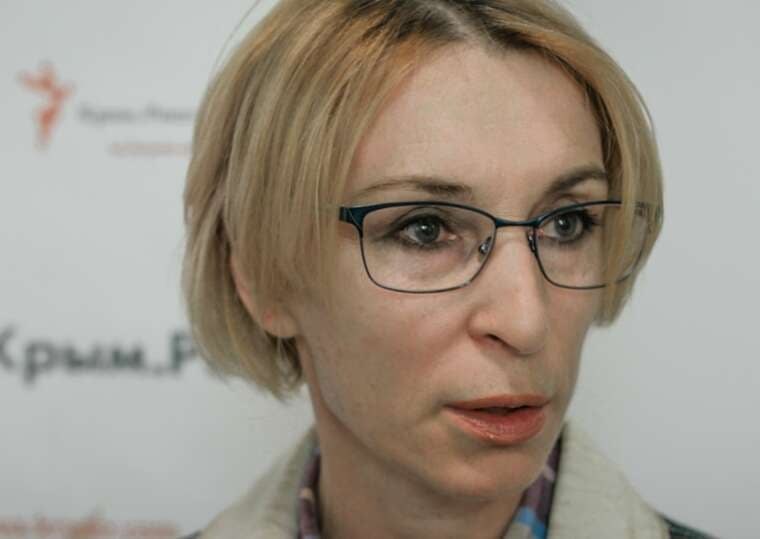
A deputy from the Servant of the People faction delivered sharp criticism of the US president, comparing her assessment of his actions to Boris Nemtsov's remarks about Vladimir Putin.
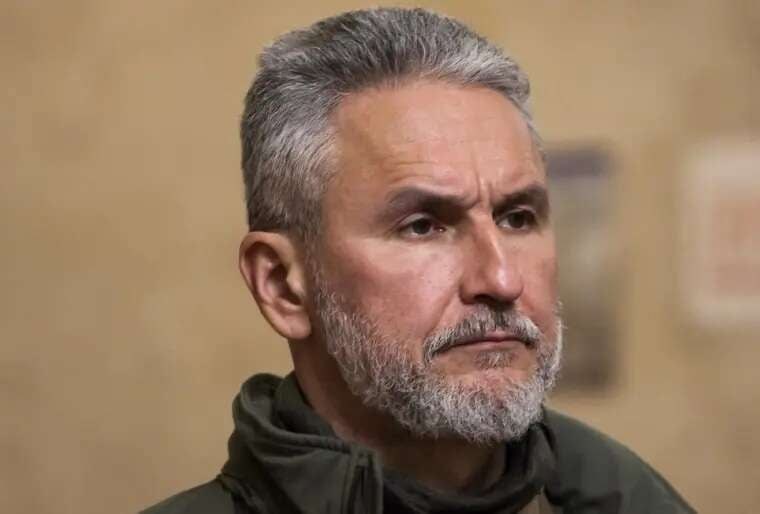
Military medic Hennadii Druzhenko stated that his transfer to the Rubizh brigade is linked to his public criticism of the state leadership's actions.

A resident of Lviv region received $200 for registering an agricultural company used to convert non-cash funds into cash.
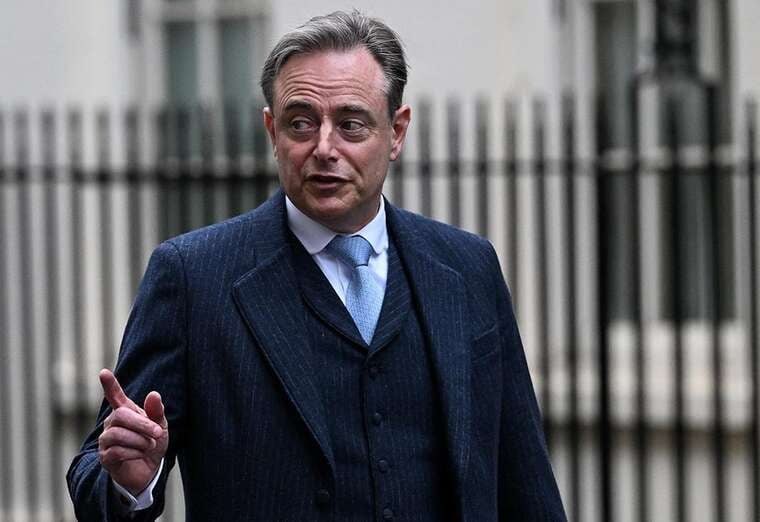
The Belgian Prime Minister stated that financing military operations in Ukraine requires enormous funds, which will soon run out.

Natalia Tarasova retained her mandate despite obtaining a Russian document and registering a company in the occupied zone, as the party cannot convene a conference to recall her.

Anthropic co-founder Christopher Olah considered completely withdrawing from the event in the Vatican. This initiative arose after reviewing the official document in which Pope Leo XIV categorically rejected the idea of consciousness in artificial intelligence. The New York Times reports on these events.
In May, Olah was invited to speak at the presentation of the encyclical Magnifica Humanitas. An encyclical is an official papal document in which the pontiff sets out his position on key religious and social issues. A significant part of the text was dedicated specifically to the topic of artificial intelligence. A few days before the event, all speakers received the full text of the speech. In it, Leo XIV emphasised that artificial intelligence has no experience or body of its own, does not feel joy or pain, and does not develop through relationships with others.
According to the publication, the Pope's position so concerned Olah that he proposed Anthropic withdraw from the event, despite only a few days remaining. A source for The New York Times among the organisers in the Vatican confirmed that the cause was precisely the pontiff's hardline stance on AI.
Ultimately, Anthropic decided to participate in the event after all. After the delegation arrived in the Vatican, Olah and his team privately persuaded the Pope's advisors to take seriously the possibility that AI models may have consciousness.
During his public speech, Olah effectively disputed the Pope's position. He stated that researchers have identified structures in AI models similar to the results of human brain studies, signs of introspection, as well as internal states that functionally resemble joy, satisfaction, fear, grief, and anxiety.
Meanwhile, Anthropic does not officially claim that Claude has consciousness. Olah himself told The New York Times that he does not know whether modern AI models are conscious and is "really not sure". In his words, it is important for him not to adopt one position in advance, but to ultimately get the right answer to this question.
According to the publication, since last autumn, Olah has begun involving religious thinkers of various denominations in closed meetings. As The New York Times writes, these conversations have two main goals: to discuss the possibility of consciousness in AI and to understand how moral concepts accumulated by religions can be used when training Claude.
Some participants in these meetings reported that Anthropic employees spoke not only about human safety but also about the well-being of Claude itself. One participant recalled that Olah spoke about concerns for the model's "mental health", while another said that the Anthropic co-founder feared he might have created something capable of suffering constantly.
Comments
No comments yet. Be the first!